Uttarakhand CM Dhami: Madrasa students to get modern STEM education, no division in policy
Synopsis
Uttarakhand CM Pushkar Singh Dhami has declared that madrasa students in the state will now receive modern education covering science, technology, and AI — framing it as a non-divisive, inclusive policy. The move positions Uttarakhand as a test case for mainstreaming madrasa curricula without triggering the political controversy that has dogged similar efforts in other states.
Key Takeaways
CM Pushkar Singh Dhami addressed the Uttarakhand State Assembly on 28 April 2025 on madrasa education reform.
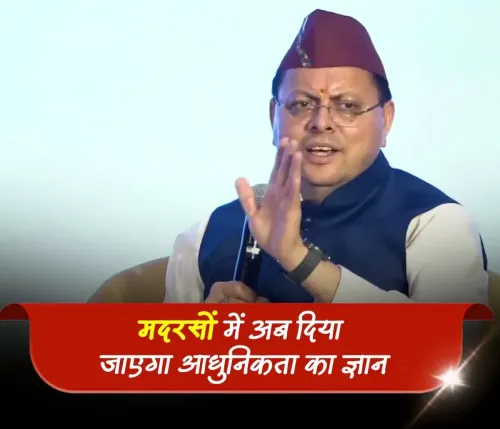
Madrasa students in the state are being provided modern education with a focus on science, technology, innovation, and artificial intelligence .
Dhami stated: "In matters of education, there is neither minority nor majority." The Madrasa Board is the implementing body for ensuring every child's right to modern education.
The government also increased the honorarium of Anganwadi workers as part of broader welfare measures.
The initiative is framed under the "Sabka Saath, Sabka Vikas, Sabka Vishwas, Sabka Prayas" governance philosophy.
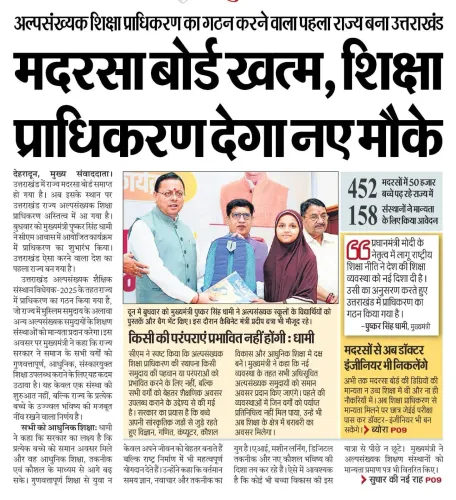
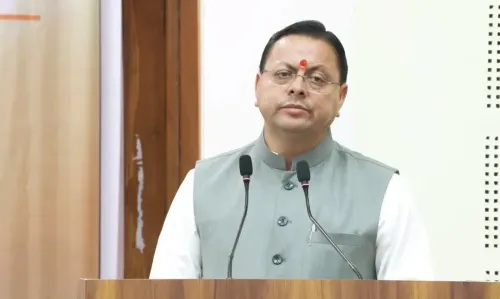
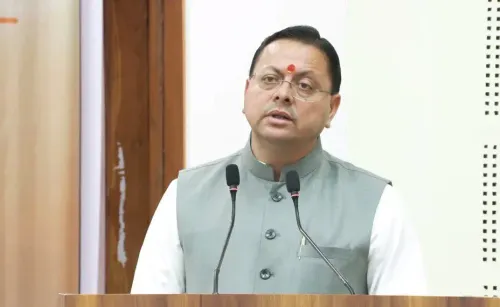
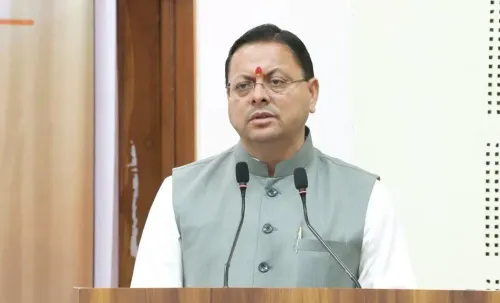
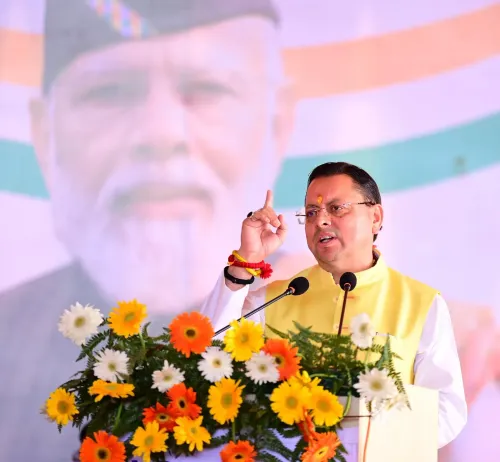
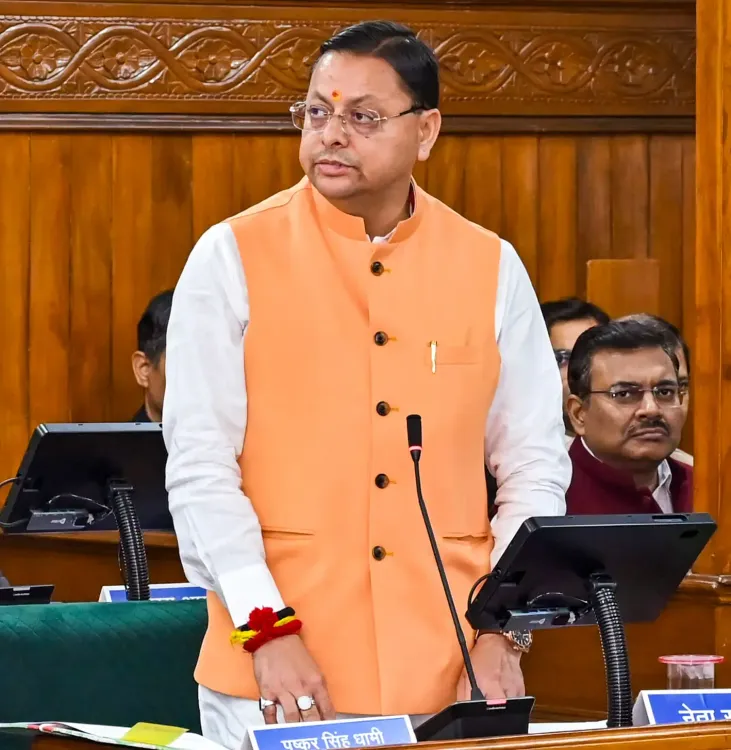
Uttarakhand Chief Minister Pushkar Singh Dhami on Tuesday, 28 April declared that children studying in madrasas across the state are being provided modern, quality education with a focus on science, technology, innovation, and artificial intelligence. Addressing a special session of the Uttarakhand State Assembly in Dehradun, Dhami stressed that education must serve as a unifying force rather than a source of societal division.
What the Government Said
Speaking at the assembly session, Chief Minister Dhami said the state government has no intention of creating any distinction in the name of learning. "In matters of education, there is neither minority nor majority. Our focus is on providing equal opportunities and ensuring that every child benefits from modern education," he said.
Dhami added that efforts have been made through the Madrasa Board to ensure every child's right to education is upheld. He framed the initiative as part of a broader inclusive governance agenda, stating that policies are being designed to guarantee equal access to educational opportunities for all sections of society.
Key Developments in Madrasa Education Reform
The integration of STEM subjects — science, technology, engineering, and mathematics — alongside artificial intelligence into madrasa curricula marks a significant policy shift for the state. According to the Chief Minister, this move is aimed at bringing madrasa students at par with those in mainstream schools, ensuring no child is left behind in the knowledge economy.
Notably, this initiative aligns with a broader national conversation around madrasa modernisation, with several states having introduced reforms to mainstream religious school curricula in recent years. Uttarakhand's approach, channelled through the Madrasa Board, reportedly seeks to balance religious instruction with contemporary academic standards.
Guiding Principles: Sabka Saath, Sabka Vikas
Dhami invoked the governing philosophy of "Sabka Saath, Sabka Vikas, Sabka Vishwas, Sabka Prayas" to underscore his government's commitment to reaching all communities. He emphasised that people in Uttarakhand live together with mutual love and harmony, and that the government is actively working to strengthen this social fabric.
The Chief Minister also stressed the importance of balancing tradition with modernity. "While moving forward, we are learning from our heritage and history. At the same time, if there have been shortcomings in the past, they must also be acknowledged," he said.
Welfare Measures: Anganwadi Workers
Beyond education, Dhami highlighted welfare measures for grassroots workers, announcing that the honorarium of Anganwadi workers has been increased under his government. He described Anganwadi workers as playing a crucial role in strengthening the nutrition and early childhood care system, and assured that their expectations would continue to be addressed going forward.
What This Means for Uttarakhand
The Chief Minister's statements signal a concerted effort to position Uttarakhand as a model for inclusive, non-divisive education policy. With madrasa students now in line to receive exposure to AI and modern sciences, the state government appears to be making a deliberate push to close the opportunity gap between religious and mainstream schooling. Implementation details, including curriculum rollout timelines and teacher training programmes, are yet to be made public.
Point of View
He sidesteps the polarising optics that have plagued similar moves in Uttar Pradesh and Assam. The real question is implementation: curriculum integration, teacher retraining, and assessment parity are where such announcements have historically stalled. Uttarakhand's Madrasa Board has limited administrative bandwidth, and without a credible rollout plan, the AI-and-STEM promise risks remaining a headline rather than a classroom reality. If it does deliver, however, it could offer a replicable model for other BJP-governed states navigating the same political tightrope.
NationPress
19 Sept 2026
Frequently Asked Questions
What has Uttarakhand CM Dhami announced about madrasa education?
CM Pushkar Singh Dhami announced on 28 April 2025 that madrasa students in Uttarakhand are being provided modern, quality education with a focus on science, technology, innovation, and artificial intelligence. He stated that the government does not intend to create any distinction in the name of learning.
Which body is implementing modern education in Uttarakhand madrasas?
The Uttarakhand Madrasa Board is the implementing body responsible for ensuring that every child in a madrasa receives modern education alongside traditional instruction. The Chief Minister credited the Board's efforts in upholding every child's right to education.
Why is Uttarakhand's madrasa education reform significant?
The reform is significant because it seeks to bring madrasa students at par with mainstream school students by introducing STEM and AI subjects. It also represents a politically non-divisive approach to madrasa modernisation, which has been a contentious issue in several other Indian states.
What did CM Dhami say about social harmony and education?
Dhami emphasised that education should be a unifying force, saying 'In matters of education, there is neither minority nor majority.' He invoked the philosophy of 'Sabka Saath, Sabka Vikas, Sabka Vishwas, Sabka Prayas' to underline the government's commitment to inclusive development.
What welfare measures were announced alongside the education policy?
CM Dhami announced that the honorarium of Anganwadi workers has been increased under his government, recognising their crucial role in nutrition and early childhood care. He assured that their expectations would continue to be addressed in the future.