Uttarakhand CM dissolves Madrasa Board, launches unified minority education body
Synopsis
Uttarakhand CM Pushkar Singh Dhami announced dissolution of the state Madrasa Board and its replacement with the Uttarakhand State Minority Education Authority, citing equal education for all. He also highlighted border connectivity expansion, Char Dham modernisation, local employment creation and the state's growing sports identity after hosting the 38th National Games.
Key Takeaways
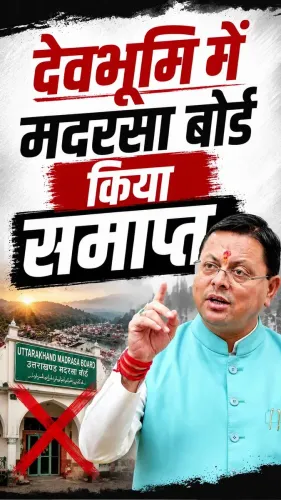
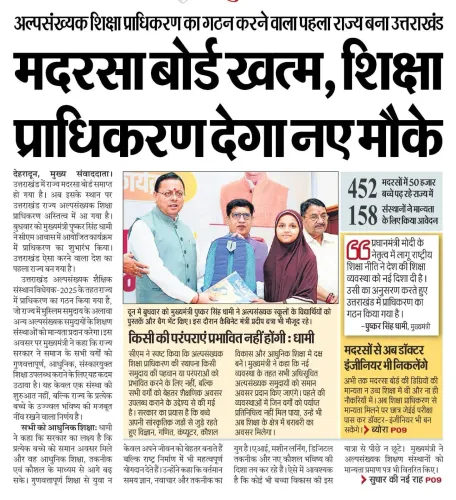
The Madrasa Board in Uttarakhand has been abolished and replaced by the Uttarakhand State Minority Education Authority , which includes students from all communities.
The reform follows a 2024 cabinet decision and is framed under a 'Nation First' education mandate.
The state is rapidly expanding road, rail, ropeway and air connectivity to border districts.
Char Dham Yatra infrastructure has been modernised to boost religious tourism.
Following the 38th National Games , Uttarakhand is positioning itself as Khelbhoomi — a national sports destination.
Senior intellectuals including Prasoon Joshi and Prof.
Pant attended the governance address.
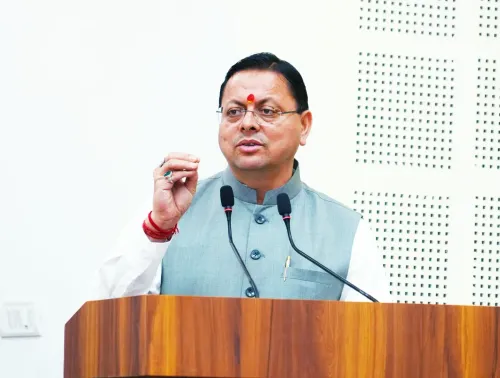
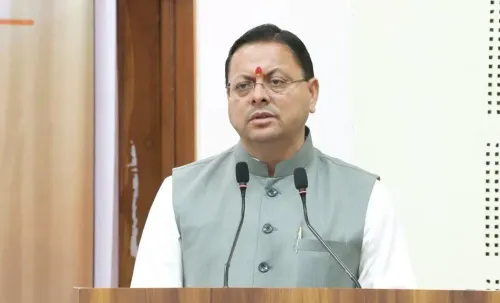
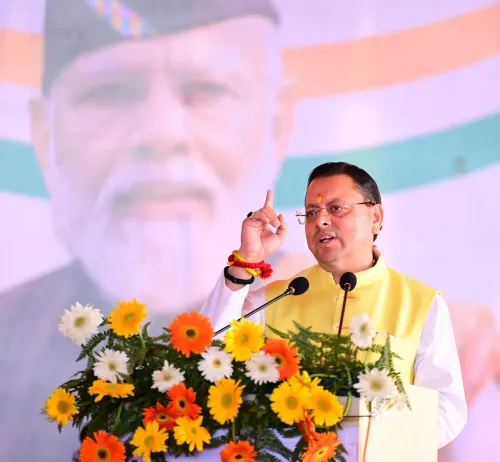
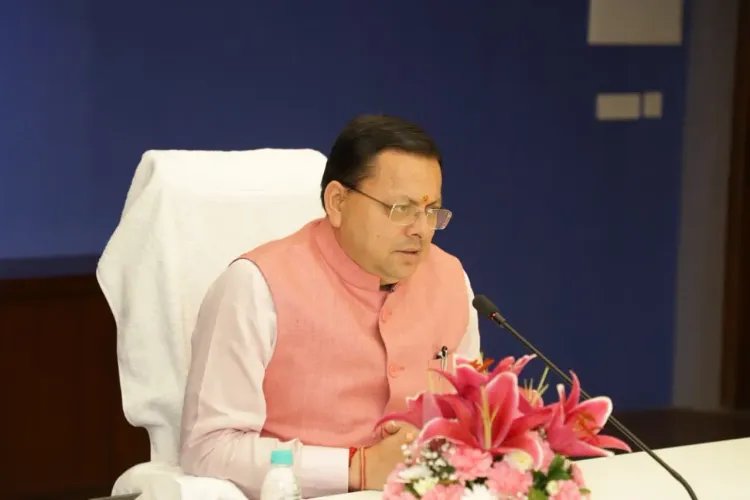
A single education authority for every child — that is the stated ambition behind one of Uttarakhand Chief Minister Pushkar Singh Dhami's most consequential education decisions. Addressing a gathering of senior intellectuals and public figures from the state on Sunday, 27 September 2026, the Chief Minister's Office announced that the state's Madrasa Board has been abolished and replaced by the Uttarakhand State Minority Education Authority — a unified body designed to bring all communities under a common, quality-driven framework.
One authority for all: what the new education body changes
The Chief Minister, outlining steps taken to promote 'equality and modernity' in education, said the new Authority encompasses students from all sections of society — not just a single community. The explicit goal is to ensure that 'प्रत्येक बच्चे को समान और गुणवत्तापूर्ण शिक्षा' — every child receives equal and quality education. The move follows a cabinet decision taken in 2024 to dissolve the Madrasa Board and integrate minority education into a mainstream regulatory structure.
Framing the reform in national terms, the CM said education is being strengthened with a 'नेशन फर्स्ट' ('Nation First') spirit — a phrase that places a local education overhaul squarely within a broader national-security and integration narrative for a Himalayan border state.
Border roads, ropeways and the Char Dham infrastructure push
The education announcement was part of a wider governance address. The CM cited rapid expansion of road, rail, ropeway and air connectivity to border districts as evidence of the state's infrastructure drive. Char Dham Yatra — the pilgrimage circuit that draws millions of devotees each year — has been upgraded with modern facilities, the CM said, reinforcing Uttarakhand's status as a religious tourism hub and a strategic Himalayan corridor.
Employment creation at the local level received pointed emphasis. The government, the CM said, is generating new opportunities in employment and self-employment specifically so that Uttarakhand's youth do not have to leave the state to build a career — a persistent challenge in hill economies shaped by out-migration.
From Devbhoomi to Khelbhoomi: the 38th National Games legacy
The CM also pointed to sports as a pillar of Uttarakhand's emerging identity. Following the successful hosting of the 38th National Games, the state is, in his words, forging a new identity as 'खेलभूमि' — the land of sport — alongside its traditional title of Devbhoomi, the land of the gods. The government, he said, continues to invest in sports infrastructure and better opportunities for athletes making their mark at national and international levels.
The event was attended by a galaxy of Uttarakhand's public intellectuals and cultural figures, including lyricist and former CBFC chief Prasoon Joshi, strategic affairs scholar Prof. Harsh V. Pant, former senior civil servant Ashwini Lohani, filmmaker Subhash Dhulia, and several academics, authors and doctors. The programme was anchored by Prof. Govind Singh.
The convergence of education reform, connectivity, pilgrimage infrastructure, jobs and sport under one address signals a deliberate attempt to present Uttarakhand's development story as holistic — and, critically, as one that leaves no community, or mountain village, behind.
Point of View
Often justified on equal-access grounds. For Uttarakhand specifically — a sensitive Himalayan border state — the 'Nation First' framing gives education reform a strategic colour that goes beyond pedagogy. The concurrent emphasis on border connectivity and local employment reflects an understanding that demographic stabilisation in the hills requires economic anchors, not just infrastructure. The assembly of prominent Uttarakhand intellectuals signals that the government is actively cultivating a narrative of inclusive state-building rather than communal reorientation alone.
NationPress
28 Sept 2026
Frequently Asked Questions
Why was the Madrasa Board abolished in Uttarakhand?
The Uttarakhand government abolished the Madrasa Board to create a unified education framework under the new Uttarakhand State Minority Education Authority, with the stated goal of providing equal and quality education to every child in the state regardless of community.
What is the Uttarakhand State Minority Education Authority?
It is a new regulatory body that replaced the Madrasa Board following a 2024 cabinet decision. Unlike the Madrasa Board, it covers students from all communities and is designed to bring minority education within a common, quality-driven mainstream framework.
What did Uttarakhand CM say about the 38th National Games?
CM Pushkar Singh Dhami said that after the successful hosting of the 38th National Games, Uttarakhand is building a new identity as 'Khelbhoomi' (land of sport) alongside its traditional title of Devbhoomi, and that the government continues to invest in sports infrastructure.
What is Uttarakhand doing to develop border areas?
The Uttarakhand government says it has been rapidly expanding road, rail, ropeway and air connectivity to border districts as part of its comprehensive infrastructure push for remote and frontier regions.
Who attended the Uttarakhand CM's address to senior intellectuals?
The event was attended by prominent figures including lyricist Prasoon Joshi, strategic affairs scholar Prof. Harsh V. Pant, former civil servant Ashwini Lohani, filmmaker Subhash Dhulia, and several academics, authors and doctors from Uttarakhand.