Uttarakhand Minority Education Act in force from July 1, Madrasa Board dissolved
Synopsis
Uttarakhand has dissolved its Madrasa Education Board and replaced it with a unified Minority Education Act — effective 1 July 2025. Students in minority institutions will now follow the NCERT curriculum, and a new State Minority Education Authority with multi-community representation takes over regulatory oversight. It is one of the most sweeping madrasa-to-mainstream transitions attempted by a BJP-governed state.
Key Takeaways
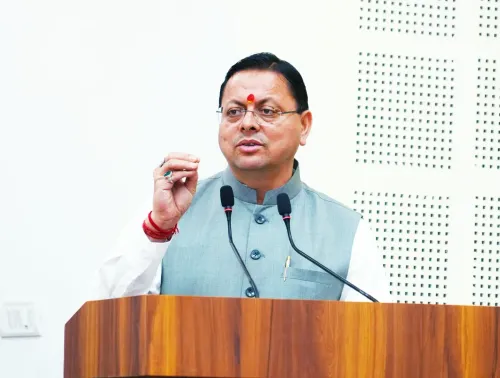
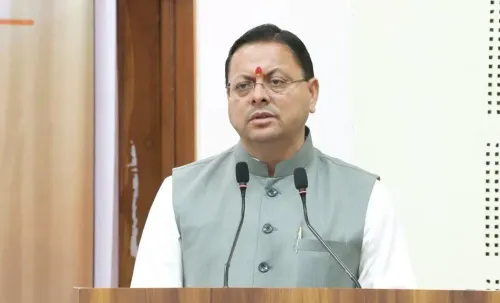
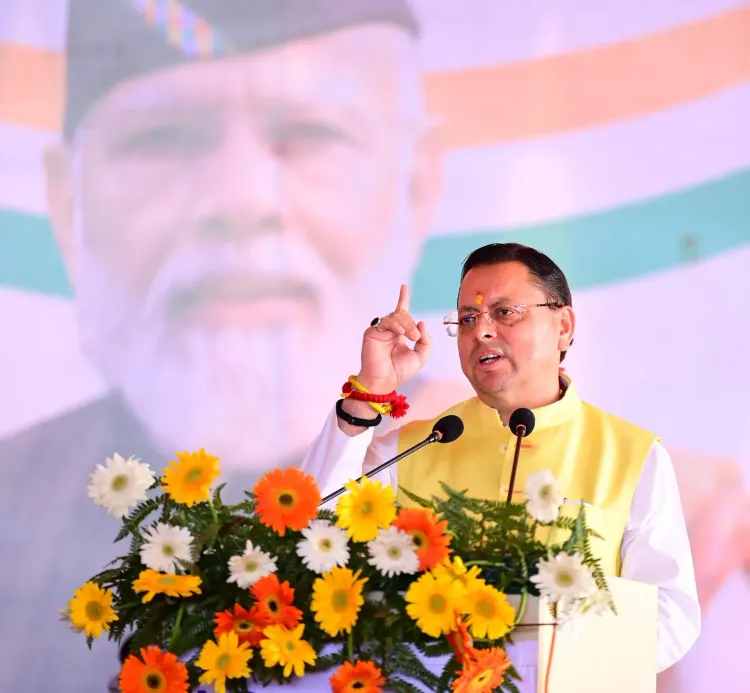
The Uttarakhand Minority Education Act came into force on 1 July 2025 , announced by Chief Minister Pushkar Singh Dhami .
The Madrasa Education Board and Recognition Rules for Non-Governmental Arabic-Persian Madrasas have been completely repealed .
A new State Minority Education Authority has been constituted, chaired by Professor Surjeet Singh Gandhi .
Students in minority institutions will now study from NCERT-based textbooks .
The Authority includes scholars from multiple minority communities as members.
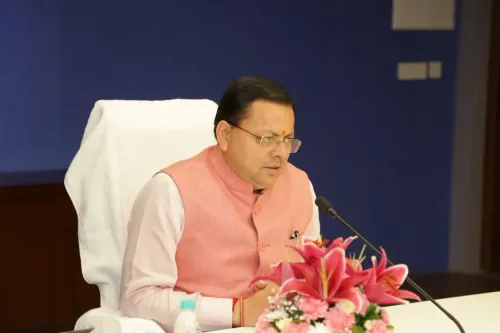
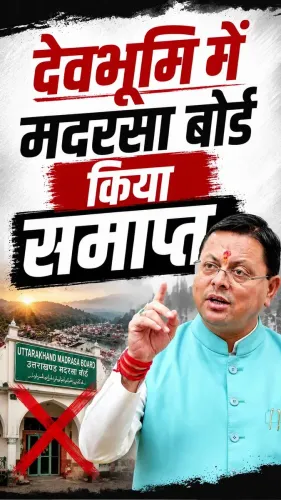
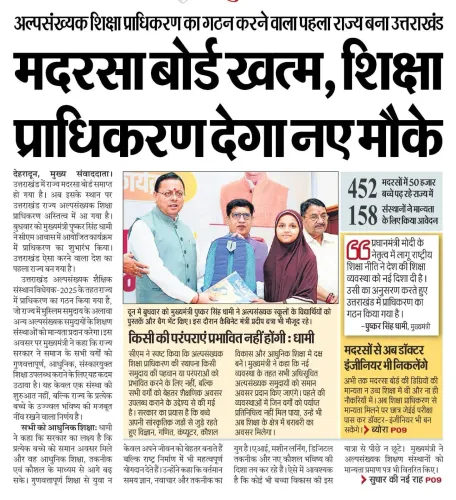
Uttarakhand Chief Minister Pushkar Singh Dhami on 1 July 2025 announced that the Uttarakhand Minority Education Act has come into force, marking a sweeping overhaul of minority schooling in the state. Simultaneously, the Madrasa Education Board stands completely dissolved, along with the Recognition Rules for Non-Governmental Arabic-Persian Madrasas — effective the same date.
What the New Law Replaces
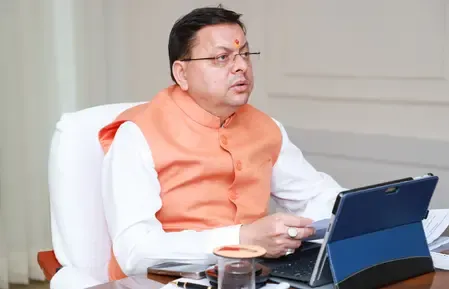
The Madrasa Education Board Act, which had governed madrasa functioning in Uttarakhand for years, has been repealed in its entirety. In its place, a unified regulatory framework under the Minority Education Act will now govern all minority educational institutions in the state. Chief Minister Dhami confirmed the change in a post on X, stating: 'Today, the Uttarakhand Minorities Education Act has come into effect. Along with this, the Madrasa Education Board Act and the Recognition Rules for Non-Governmental Arabic-Persian Madrasas have been repealed.'
New Authority and Its Composition
A State Minority Education Authority has been constituted under the new law. Professor Surjeet Singh Gandhi has been appointed as its Chairman. The Authority's membership includes scholars and educators drawn from multiple minority communities — Professor Rakesh Kumar Jain, Dr Syed Ali Hamid, Professor Pema Tenzing, Professor Gurmeet Singh, Dr Elba Mandrele, Professor Robin Aman, Chandrashekhar Bhatt, and Rajendra Singh Bisht.
The Director General of School Education and the Director of SCERT serve as ex-officio members, while the Director of Minority Welfare will function as ex-officio Member Secretary.
Key Educational Reforms Introduced
Students enrolled in minority educational institutions across Uttarakhand will now receive textbooks based on the NCERT curriculum — a significant pedagogical shift from the earlier madrasa-specific syllabi. The government says the new framework will ensure a 'equitable and transparent recognition process' for all minority institutions.
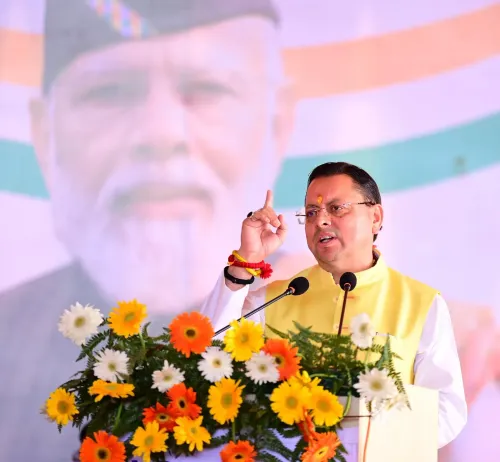
Chief Minister Dhami framed the reforms as part of a broader commitment — made under the guidance of Prime Minister Narendra Modi — to build an education system that is 'modern, transparent, high-quality, accountable, and rooted in the values of nation-building.'
Political and Policy Context
Uttarakhand's move follows a broader pattern seen across several Bharatiya Janata Party (BJP)-governed states, where madrasa boards have faced regulatory scrutiny or dissolution. Uttar Pradesh and Assam have undertaken similar reviews in recent years. Critics of such moves have argued that dissolving madrasa boards without adequate transitional support could disrupt the education of students already enrolled in those institutions. The Dhami government has not yet detailed a specific transition roadmap for existing madrasa students.
With the new Authority now operational, the state's next steps — including how existing madrasas will seek recognition under the revised framework — will be closely watched by minority community representatives and education policy observers alike.
Point of View
But the absence of a detailed transition plan for currently enrolled students is a gap the government has yet to publicly address. The multi-community composition of the new Authority is a deliberate signal of inclusivity, yet its actual autonomy from the state executive will determine whether it functions as a genuine regulatory body or a ceremonial one. How minority communities on the ground — particularly Muslim families whose children attended madrasas — respond to the shift will be the real test of this reform's durability.
NationPress
30 Sept 2026
Frequently Asked Questions
What is the Uttarakhand Minority Education Act?
The Uttarakhand Minority Education Act is a new law that came into effect on 1 July 2025, replacing the Madrasa Education Board Act and creating a unified regulatory framework for all minority educational institutions in the state. It mandates NCERT-based curricula and establishes a new State Minority Education Authority to oversee recognition and standards.
Why was the Madrasa Education Board dissolved in Uttarakhand?
The Dhami government dissolved the Madrasa Education Board as part of a broader education reform aimed at bringing minority institutions under a 'modern, transparent, and accountable' system. Chief Minister Dhami stated the goal is to align minority education with mainstream national standards, including NCERT textbooks.
Who heads the new Uttarakhand State Minority Education Authority?
Professor Surjeet Singh Gandhi has been appointed Chairman of the newly constituted Uttarakhand State Minority Education Authority. The body also includes scholars from multiple minority communities, along with senior education officials as ex-officio members.
How will this change affect students currently in madrasas?
Students in minority educational institutions across Uttarakhand will now receive NCERT-based textbooks under the new framework. The government has not yet publicly detailed a specific transition roadmap for students who were enrolled under the earlier Madrasa Board system.
Is Uttarakhand the first state to dissolve its Madrasa Board?
No. Several BJP-governed states, including Uttar Pradesh and Assam, have undertaken similar reviews or restructuring of madrasa regulation in recent years. Uttarakhand's move is notable for repealing the Madrasa Board Act entirely and replacing it with a unified minority education law.