CM Naidu Thanks Karnataka for Cyclone Murasu Relief Support
Synopsis
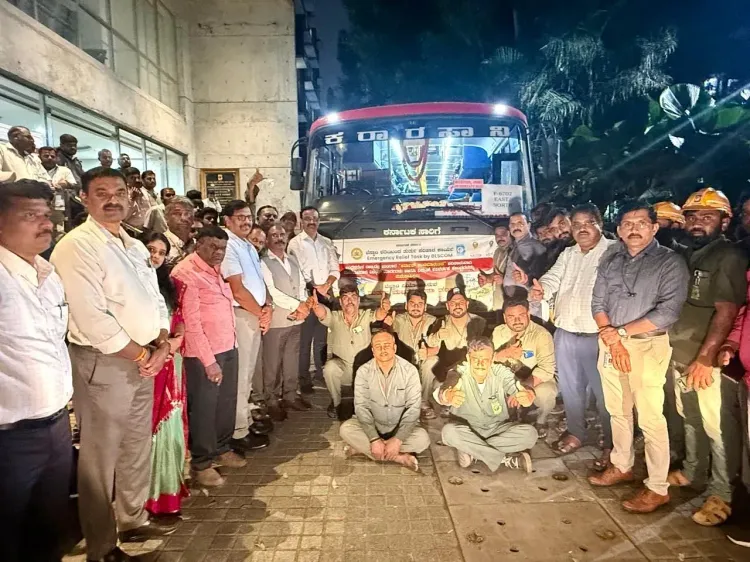
Andhra Pradesh CM N. Chandrababu Naidu thanked Karnataka CM D.K. Shivakumar and the people of Karnataka on November 3, 2026 for their timely support to Andhra Pradesh during Cyclone Murasu, highlighting cooperative federalism in India's disaster response.
Key Takeaways
Chandrababu Naidu publicly expressed gratitude to Karnataka CM D.K.
Shivakumar on November 3, 2026 for cyclone relief support.
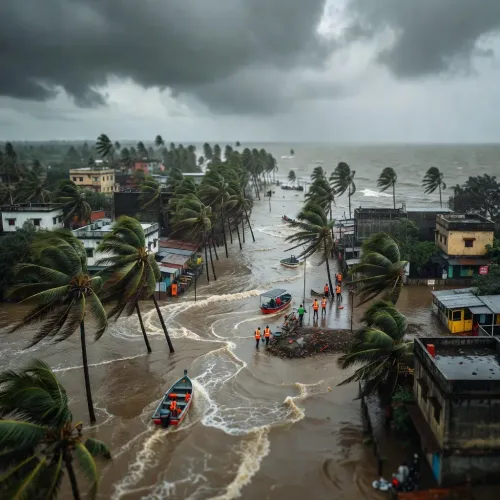
Cyclone Murasu struck Andhra Pradesh , a state on the Bay of Bengal coast that is frequently affected by cyclonic storms.
Karnataka extended 'timely support' to the neighbouring state during the disaster, according to Naidu's post.
India's Disaster Management Act, 2005 provides the framework for inter-state mutual assistance during natural disasters.
The acknowledgement reflects a broader pattern of cooperative federalism between southern Indian states during Bay of Bengal weather emergencies.
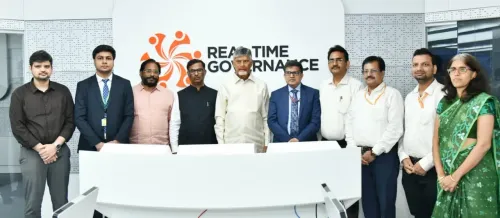
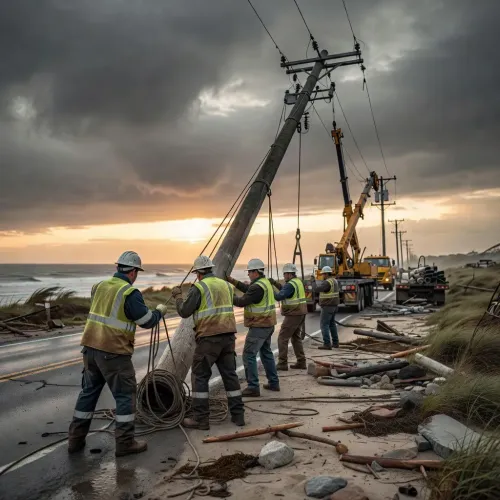
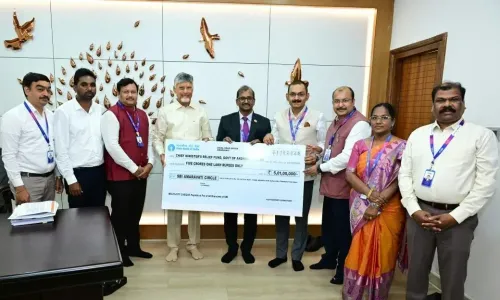
When Cyclone Murasu bore down on Andhra Pradesh, a neighbouring state stepped forward — and Andhra Pradesh Chief Minister N. Chandrababu Naidu made sure that solidarity did not go unacknowledged. On Tuesday, November 3, 2026, Naidu publicly thanked Karnataka Chief Minister D.K. Shivakumar and the people of Karnataka for their 'timely support' during the cyclone crisis.
A Message Across State Lines
In his post, Naidu wrote: 'Heartfelt gratitude to Hon'ble Chief Minister of Karnataka, Sri D.K. Shivakumar Garu, and the people of Karnataka for standing with Andhra Pradesh during Cyclone Murasu. Your timely support in our hour of need will never be forgotten.' The warmth of the message — addressed to both the government and the people of Karnataka — signals that the assistance went beyond routine bureaucratic coordination.
Andhra Pradesh, positioned along the Bay of Bengal coast, is among India's most cyclone-exposed states. Cyclones regularly test the state's disaster response infrastructure, and inter-state support has historically made a material difference in the speed and scale of relief operations.
Cooperative Federalism at Work
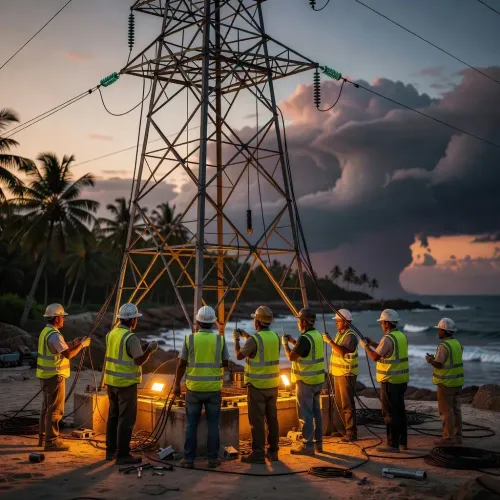
India's Disaster Management Act, 2005, created the legal scaffolding for exactly this kind of cross-border solidarity — enabling states to request and extend mutual aid in personnel, equipment, and relief supplies without waiting for central directives. When that framework is invoked, and when a neighbouring Chief Minister responds with visible urgency, it becomes a demonstration of cooperative federalism functioning as intended.
Karnataka and Andhra Pradesh share a border and longstanding administrative ties. The two states have periodically coordinated on disaster response for Bay of Bengal weather events, which can affect both coastlines and inland river systems simultaneously. Naidu's public acknowledgement elevates what might otherwise be a routine government-to-government exchange into a statement of regional solidarity.
As both states now turn toward recovery and future preparedness, the goodwill built in a crisis becomes the foundation for the harder, quieter work of rebuilding — and of making sure the next cyclone finds both states even more ready.
Point of View
Cutting across party lines in a moment of crisis. In the context of Indian federalism, where Centre-state tensions often overshadow state-to-state cooperation, such bilateral gestures reinforce the argument that disaster response works best when states bypass partisanship. For Naidu, who has long positioned himself as a pragmatic, development-oriented administrator, the acknowledgement also reinforces his image as a leader who credits allies openly. Watch whether this goodwill translates into formal preparedness frameworks between the two states ahead of the next Bay of Bengal cyclone season.
NationPress
3 Nov 2026
Frequently Asked Questions
What is Cyclone Murasu and which areas did it affect?
Cyclone Murasu is the cyclone that struck Andhra Pradesh as referenced in CM Chandrababu Naidu's November 3, 2026 post. Andhra Pradesh, situated on the Bay of Bengal coast, is one of India's most cyclone-prone states. Specific damage details are yet to be officially confirmed.
How did Karnataka help Andhra Pradesh during Cyclone Murasu?
CM Chandrababu Naidu acknowledged 'timely support' from Karnataka and its Chief Minister D.K. Shivakumar during Cyclone Murasu, though the specific nature of the assistance — whether personnel, equipment, or relief materials — was not detailed in the post.
What law allows Indian states to help each other during disasters?
India's Disaster Management Act, 2005 established the legal framework enabling states to request and provide mutual assistance — including personnel, equipment and relief supplies — during natural disasters without requiring central government direction for every deployment.
Who is D.K. Shivakumar and what is his role?
D.K. Shivakumar is the Chief Minister of Karnataka and a senior leader of the Indian National Congress. CM Chandrababu Naidu addressed him as 'Hon'ble Chief Minister of Karnataka' in the post.
Is inter-state cyclone relief cooperation common in India?
Yes. Indian states routinely extend personnel, equipment and relief to neighbours during cyclones and floods. Andhra Pradesh and Karnataka have previously coordinated on disaster response given their shared border and the Bay of Bengal weather systems that can affect both states.