Giriraj Singh backs Swadeshi Mela in Dwarka, Delhi
Synopsis
Union Textiles Minister Giriraj Singh has endorsed the Swadeshi Mela in Dwarka, New Delhi, calling it a commendable platform for local artisans, indigenous products, and cultural heritage under the Atmanirbhar Bharat self-reliance campaign.
Key Takeaways
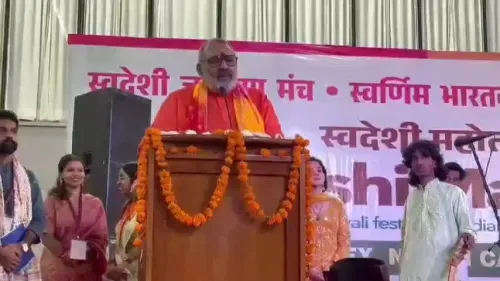
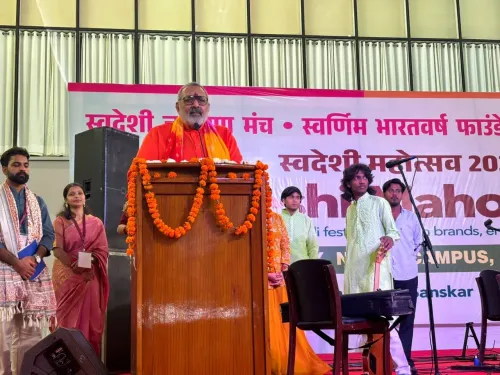
Union Textiles Minister Giriraj Singh publicly backed the Swadeshi Mela in Dwarka, New Delhi on November 3, 2026 .
The mela showcases indigenous handicrafts, traditional arts, and cultural heritage on a single platform.
Singh invoked the slogan 'स्वदेशी अपनाओ, आत्मनिर्भर भारत बनाओ' — 'Adopt swadeshi, build a self-reliant India.' The event aligns with the Atmanirbhar Bharat campaign launched by PM Modi in May 2020 and the Make in India initiative from September 2014 .
Such fairs aim to directly connect local artisans with urban consumers, cutting out intermediaries.
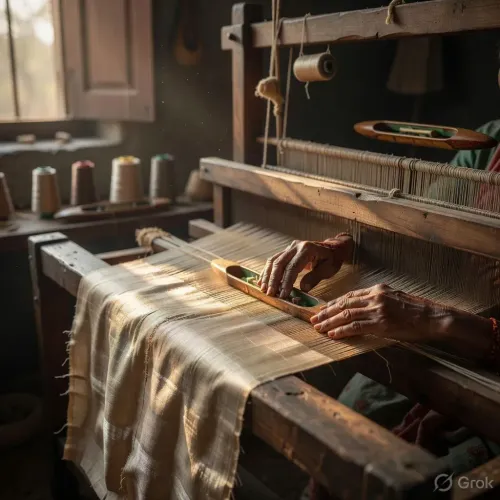
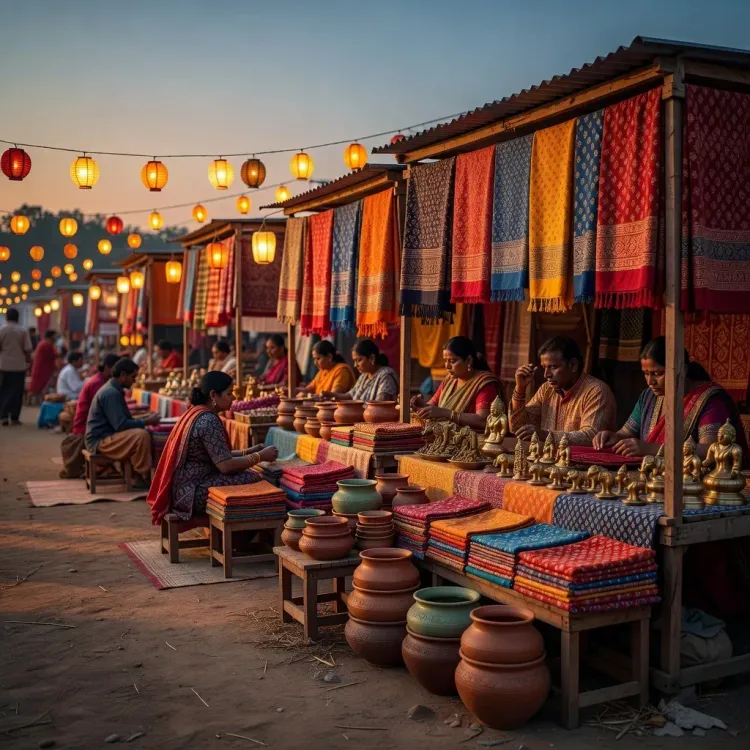
Stalls of hand-woven fabrics, clay pottery, and block-printed textiles — Union Textiles Minister Giriraj Singh is spotlighting exactly this kind of scene as he backs the Swadeshi Mela underway in Dwarka, New Delhi, calling it a praiseworthy effort to celebrate India's artisan tradition and push self-reliance.
In a post on Tuesday, November 3, 2026, Singh wrote in Hindi — 'स्वदेशी अपनाओ, आत्मनिर्भर भारत बनाओ' ('Adopt swadeshi, build a self-reliant India') — framing the event as a platform that brings together indigenous handicrafts, traditional arts, and cultural heritage under one roof. He described the mela as a 'commendable effort' to encourage local artisans, swadeshi products, and Indian traditions.
What the Dwarka mela puts on display
The Swadeshi Mela in Dwarka is designed to do something deceptively simple: put buyers and artisans in the same room. Handicraft producers and craftspeople — the backbone of India's labour-intensive traditional economy — often lack direct market access, and fairs like this one aim to bridge exactly that gap. For a minister whose portfolio covers textiles, the optics and the economics point in the same direction.
Singh's endorsement positions the event squarely within the Atmanirbhar Bharat framework, the national self-reliance campaign announced by Prime Minister Narendra Modi in May 2020 to accelerate domestic production across sectors. Textiles and handicrafts were among the first priority sectors folded into the campaign, building on the Make in India initiative launched in September 2014.
Artisan welfare and the swadeshi policy thread
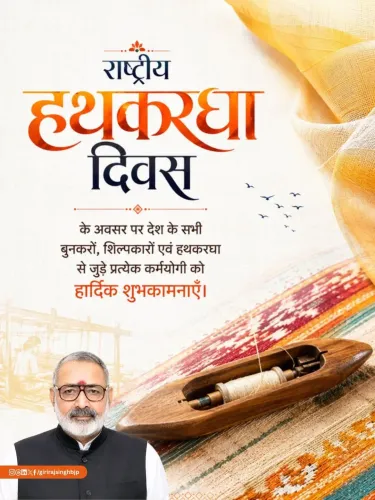
The Textiles Ministry has, over recent years, channelled both policy muscle and promotional energy into schemes that lift traditional craftspeople — from cluster development programmes to branding support for handlooms. Events like the Swadeshi Mela serve as visible proof-of-concept: a stage where a weaver from rural India can reach an urban consumer without a middleman taking the margin.
For Singh, the messaging is also politically legible. Bihar, his home constituency of Begusarai, has a deep weaving and handicraft tradition. Championing swadeshi goods publicly aligns his ministerial brief with grassroots economic pride — a combination that resonates well beyond Delhi's sub-cities.
With the festive and winter season arriving, the timing of such a mela is deliberate. Demand for handmade textiles, home décor, and traditional gifts spikes in the months ahead — and an event like this one can translate cultural sentiment into real purchases for the artisans who need them most.
Point of View
Converting sentiment into commerce. It also reflects a broader BJP strategy of fusing cultural identity with economic nationalism, where 'swadeshi' functions simultaneously as heritage pride and industrial policy. Watch whether the ministry follows up with structural support — procurement mandates, e-commerce tie-ups — or whether this remains primarily symbolic.
NationPress
3 Nov 2026
Frequently Asked Questions
What is the Swadeshi Mela in Dwarka, New Delhi?
The Swadeshi Mela in Dwarka, New Delhi is an event showcasing India's indigenous handicrafts, traditional arts, and cultural heritage, aimed at promoting local artisans and swadeshi products.
What did Giriraj Singh say about the Swadeshi Mela?
Union Textiles Minister Giriraj Singh described the Swadeshi Mela as a commendable effort to encourage local artisans, swadeshi products, and Indian traditions, and urged people to adopt swadeshi goods to build an Atmanirbhar Bharat.
What is Atmanirbhar Bharat and how does it relate to handicrafts?
Atmanirbhar Bharat is a national self-reliance campaign launched by PM Narendra Modi in May 2020 to promote domestic manufacturing. Textiles and handicrafts are among its priority sectors, making events like the Swadeshi Mela part of its cultural and economic outreach.
Why is the Textiles Ministry involved in promoting swadeshi melas?
The Textiles Ministry oversees handicrafts and handlooms, sectors that depend heavily on artisan welfare and market access. Swadeshi melas directly connect craftspeople with consumers, aligning with ministry goals on domestic market expansion.
What is the Make in India initiative's connection to traditional crafts?
Make in India, launched in September 2014, included textiles and handicrafts as priority sectors for domestic production and promotion, laying the groundwork for later campaigns like Atmanirbhar Bharat.