CM Chandrababu Holds 3:30 AM Call as Cyclone Murasu Hits AP Coast
Synopsis
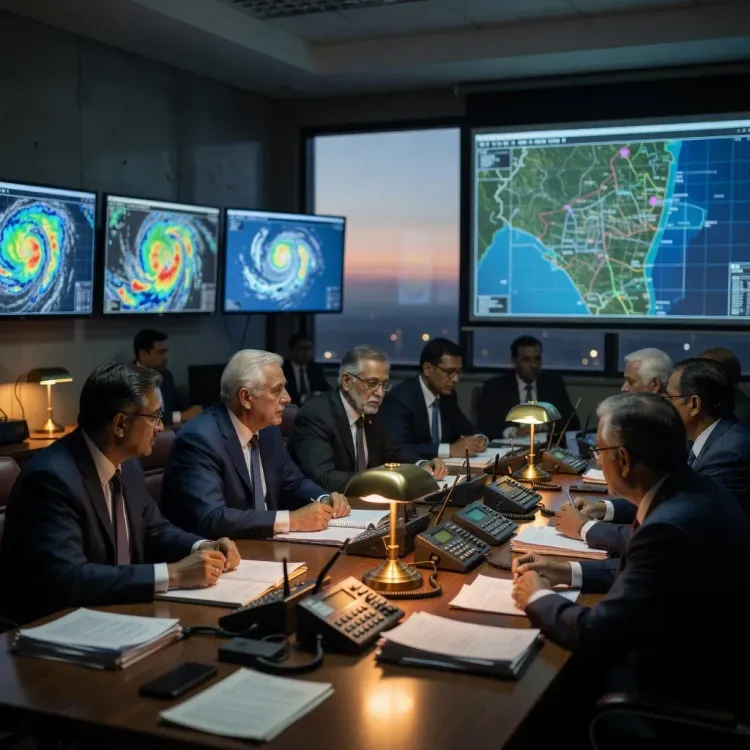
Cyclone Murasu struck the Andhra Pradesh coast near Kothapatnam, Ongole at 1 AM on November 3. CM Chandrababu Naidu chaired a 3:30 AM teleconference with district collectors to coordinate relief, even as local body election counting proceeded simultaneously across the state.
Key Takeaways
Cyclone Murasu made landfall at 1:00 AM on November 3 near Kothapatnam, close to Ongole in Andhra Pradesh.
The storm was expected to fully cross the coastline by 6:30 AM , according to officials.
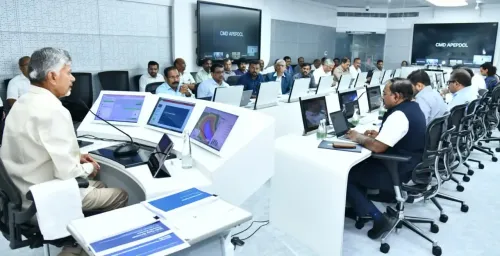
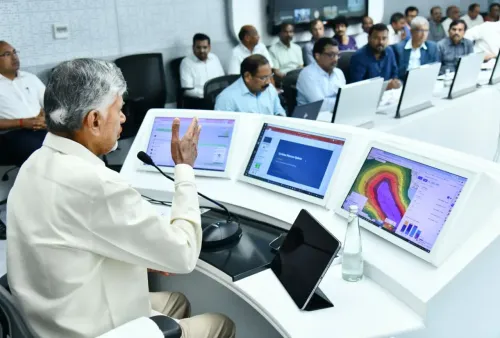
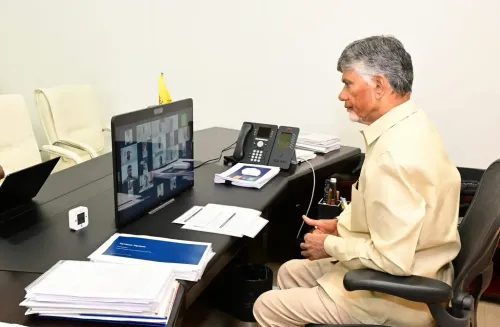
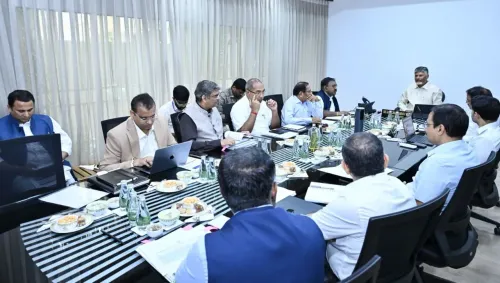
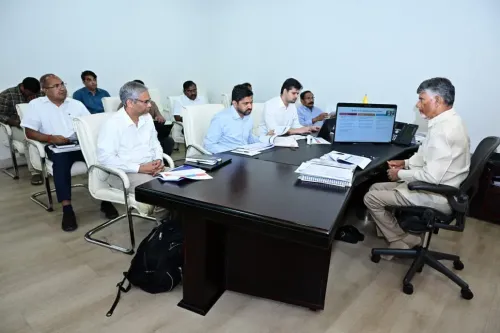
CM Chandrababu Naidu chaired a teleconference with district collectors and officials at 3:30 AM to review the situation.
District collectors confirmed that cyclone relief and local body election vote-counting were being managed simultaneously.
Andhra Pradesh's coastal infrastructure — bolstered after Cyclone Hudhud in 2014 — is being deployed in the response.
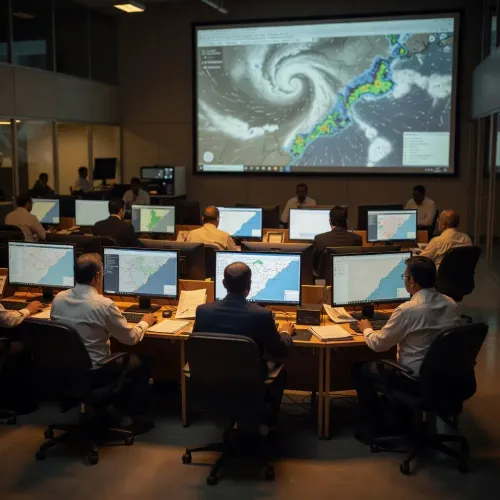
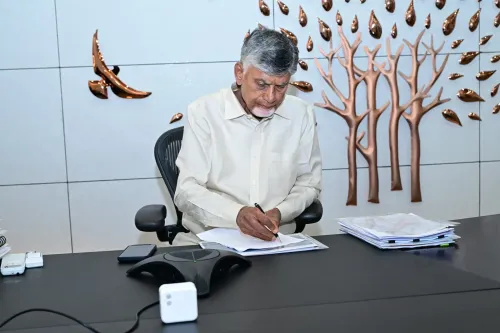
At 3:30 AM on Tuesday, November 3, while most of Andhra Pradesh slept, Chief Minister Nara Chandrababu Naidu was on a teleconference — grilling district collectors and officials on the ground about Cyclone Murasu, which had already begun tearing into the coastline. The Chief Minister's Office of Andhra Pradesh confirmed the overnight war-room session, signalling that the state administration was not waiting for sunrise to act.
Landfall at Kothapatnam, Eyes on the Clock
Officials briefed the Chief Minister that Cyclone Murasu made landfall at 1:00 AM near Kothapatnam, close to Ongole on the Prakasam district coast. The storm was expected to fully cross the coastline by 6:30 AM — giving administrators a narrow, precise window to align relief operations before dawn. The Bay of Bengal coastline through this stretch is densely populated with fishing communities, making the timing critical.
Ongole and its surrounding areas sit on one of the more exposed stretches of Andhra Pradesh's long eastern seaboard. District collectors — the frontline commanders of India's disaster management architecture — were on the call receiving real-time instructions and relaying ground conditions back to the Chief Minister directly.
Relief Work and Vote-Counting Running in Parallel
In an unusually complex administrative moment, collectors informed the Chief Minister that rescue and relief measures were being pursued simultaneously with preparations for the counting of local body election results. The two high-stakes operations — one humanitarian, one democratic — were running on the same calendar, the same official bandwidth, the same infrastructure.
Collectors confirmed that neither process would be sacrificed for the other. It is a test of exactly the kind of multi-tasking that state administrations along India's cyclone-prone coasts have been forced to perfect over decades.
A Coast That Has Seen This Before
Andhra Pradesh's approximately 974-kilometre Bay of Bengal coastline is among the most cyclone-exposed in South Asia. After Cyclone Hudhud devastated the coast in 2014, the Naidu government invested heavily in cyclone shelters, early warning systems, and rehabilitation frameworks — infrastructure now being stress-tested again. Chandrababu Naidu's decision to personally chair a 3:30 AM teleconference fits a pattern of visible executive oversight during cyclone events that his administration has made a visible priority.
Post-landfall, the immediate focus shifts to damage assessment — especially in low-lying coastal hamlets and paddy fields — and to restoring connectivity cut by high winds and rainfall. The local body election counting results, expected through the morning, add an unusual civic dimension to what is otherwise a pure crisis-management day for the state.
As the storm crosses inland and weakens, the harder, slower work of relief distribution, infrastructure repair, and community rehabilitation begins. Andhra Pradesh has done this before. The question now is how fast it can do it again.
Point of View
Not just its stated preparedness. The Kothapatnam landfall also revives scrutiny of how well the coastal infrastructure investments made after Hudhud have held up over a decade. How efficiently the state pivots from emergency response to damage assessment in the next 48 hours will define the political and humanitarian narrative of Murasu.
NationPress
3 Nov 2026
Frequently Asked Questions
Where did Cyclone Murasu make landfall in Andhra Pradesh?
Cyclone Murasu made landfall near Kothapatnam, close to Ongole in Prakasam district, Andhra Pradesh, at approximately 1:00 AM on November 3, 2026 .
What did CM Chandrababu Naidu do during Cyclone Murasu?
CM Chandrababu Naidu held a teleconference at 3:30 AM with district collectors and senior officials to review the cyclone situation and coordinate relief measures.
When did Cyclone Murasu fully cross the Andhra Pradesh coast?
Officials indicated that Cyclone Murasu was expected to fully cross the coastline by 6:30 AM on November 3, 2026 .
Were local body elections affected by Cyclone Murasu in Andhra Pradesh?
District collectors informed the Chief Minister that local body election vote-counting was proceeding alongside cyclone relief operations, with both being managed simultaneously.
Which area of Andhra Pradesh was most affected by Cyclone Murasu?
The landfall zone around Kothapatnam near Ongole in Prakasam district was the reported impact point, with broader coastal communities along the Bay of Bengal coastline on alert.