CM Chandrababu Reviews Cyclone Murasu Threat to Andhra Coast
Synopsis
Chief Minister Chandrababu Naidu reviewed Cyclone Murasu preparedness on 2 November 2026, warning that up to 8,000 power poles in South Coastal Andhra and Rayalaseema could be affected, and directing collectors through Real Time Governance Society data to meet the threat head-on.
Key Takeaways
CM Chandrababu Naidu chaired a cyclone preparedness review on 2 November 2026 as Cyclone Murasu approached the Andhra coast.
Up to 8,000 electricity poles in South Coastal Andhra and Rayalaseema districts are at risk from storm-force winds.
The Real Time Governance Society (RTGS) provided live field data to brief the Chief Minister and district collectors.
Cyclone Arnab, which preceded Murasu, had already caused widespread damage; most affected areas have since recovered.
Andhra Pradesh's direct CM-led review model for cyclone readiness dates to lessons learned after Cyclone Hudhud in 2014 .
Power infrastructure restoration timelines will be the critical metric once Murasu makes landfall.
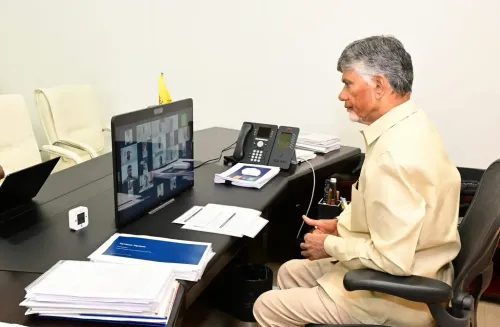
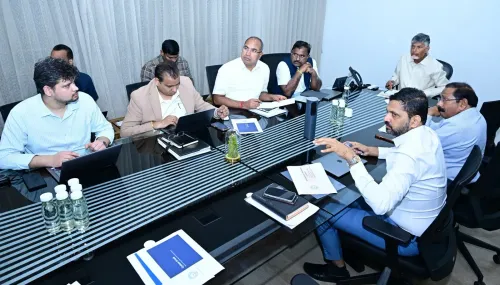
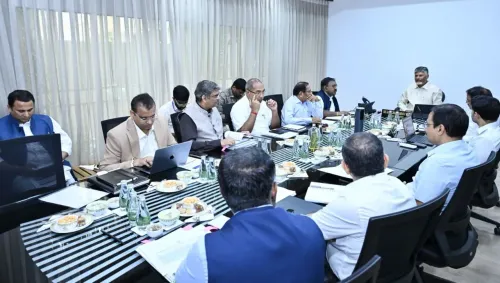
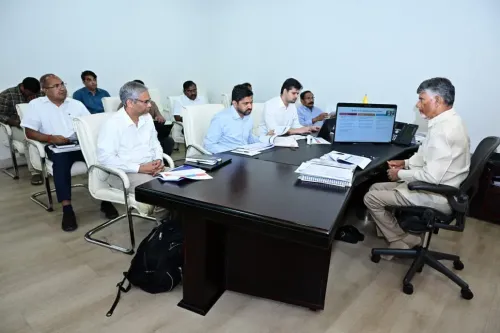
With a second cyclone bearing down on the Andhra coastline before the state has fully recovered from the last one, Chief Minister Nara Chandrababu Naidu convened a high-level preparedness review on Monday, 2 November 2026 — speaking directly with district collectors and field officers to assess exactly how ready the state is to absorb another hit.
Cyclone Murasu closes in on Coastal Andhra
Cyclone Murasu is currently tracking close to the Coastal Andhra shoreline, arriving in the wake of Cyclone Arnab, which had already inflicted widespread damage across the region. The Chief Minister noted that while most areas battered by Arnab have since returned to near-normal conditions, the administration must now mount an equally effective response to Murasu. The message was unambiguous: the state cannot afford a second stumble on the same stretch of coast.
8,000 power poles at risk in south coastal districts and Rayalaseema
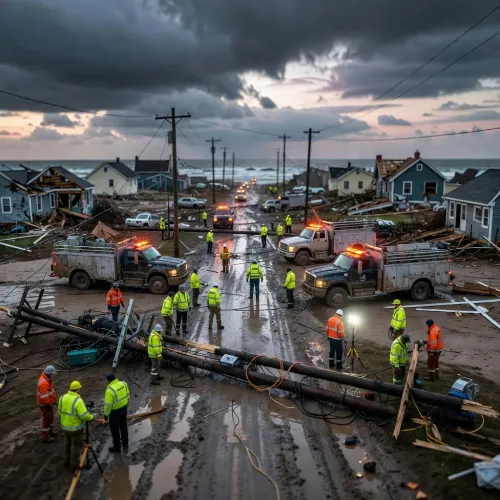
Officials have estimated that cyclonic winds from Murasu could affect up to 8,000 electricity poles across South Coastal Andhra and Rayalaseema districts — a figure that signals how far inland the storm's force is expected to reach. Power infrastructure is invariably the slowest piece of disaster recovery; keeping those poles standing, or replacing them fast, will define how quickly life returns to normal for hundreds of thousands of households.
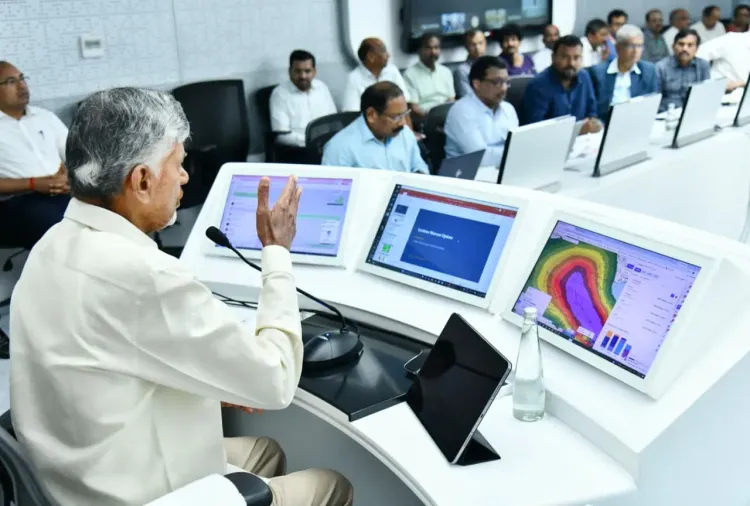
The review was anchored by the Real Time Governance Society (RTGS), the Andhra Pradesh government's live data and field-coordination nerve centre. Officers drew on real-time field readings to brief the Chief Minister — the same kind of technology-enabled oversight the state began building aggressively after Cyclone Hudhud devastated the coast in 2014. That institutional memory is now standard operating procedure every time the Bay of Bengal stirs.
Chandrababu's direct-oversight tradition on storm preparedness
Andhra Pradesh's practice of the Chief Minister personally chairing pre-cyclone reviews — rather than delegating to a relief commissioner — reflects a governance philosophy that has defined Naidu's tenures. Direct lines to collectors, live dashboards, and pre-positioned restoration crews are the toolkit. The state's track record shows that early coordination between district administration and power utilities significantly shortens restoration timelines after a storm makes landfall.
As Murasu continues to close on the coast, the coming hours will test whether two back-to-back cyclone seasons have sharpened or stretched the state's emergency machinery. For the residents of South Coastal Andhra and Rayalaseema, that answer will come in the dark — or it won't.
Point of View
Top-down crisis oversight delivers faster recovery than delegated bureaucratic channels — a model shaped by the hard lessons of Hudhud 2014. Holding two consecutive reviews within a single season also signals growing pressure on the state's power infrastructure, where 8,000 vulnerable poles across two regions represent a systemic, not just a weather, problem. The RTGS-led briefing format positions Andhra Pradesh as a governance-by-data state, a brand Naidu has consistently cultivated. Whether that brand holds under the strain of successive storms will matter politically as much as operationally.
NationPress
2 Nov 2026
Frequently Asked Questions
What is Cyclone Murasu and where is it heading?
Cyclone Murasu is a storm currently tracking close to the Coastal Andhra shoreline in Andhra Pradesh, prompting an emergency preparedness review by Chief Minister Chandrababu Naidu on 2 November 2026.
How many power poles could be damaged by Cyclone Murasu in Andhra Pradesh?
Officials estimate that cyclonic winds from Murasu could affect up to 8,000 electricity poles across South Coastal Andhra and Rayalaseema districts.
What is the Real Time Governance Society in Andhra Pradesh?
The Real Time Governance Society (RTGS) is an Andhra Pradesh government body that collects and shares live field data during crises, enabling the Chief Minister and district collectors to coordinate disaster response in real time.
What was Cyclone Arnab's impact on Andhra Pradesh?
Cyclone Arnab caused significant destruction across multiple areas of Andhra Pradesh; according to the Chief Minister's review, most of those areas have now largely returned to normal conditions before Murasu's arrival.
How does Andhra Pradesh prepare for cyclones under CM Chandrababu Naidu?
Andhra Pradesh follows a direct-oversight model where the Chief Minister personally reviews cyclone readiness with district collectors and technical agencies using live data from the Real Time Governance Society — a practice institutionalised after Cyclone Hudhud in 2014.