Sachin Pilot condoles Chapoli electrocution deaths, demands probe
Synopsis
Congress leader Sachin Pilot has expressed grief over the electrocution deaths of multiple workers during road construction in Chapoli, Jhunjhunu, and demanded a full inquiry, action against the responsible parties, and fair compensation for victims' families from the Rajasthan government.
Key Takeaways
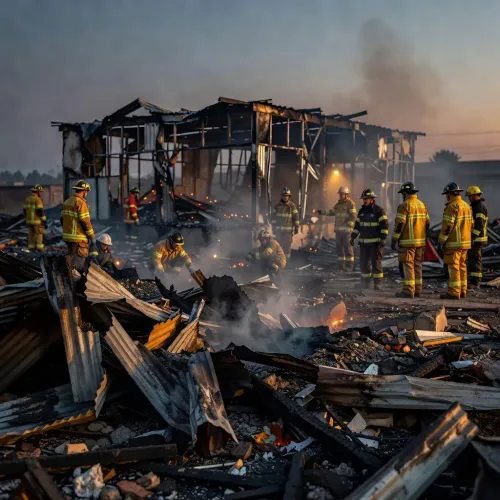
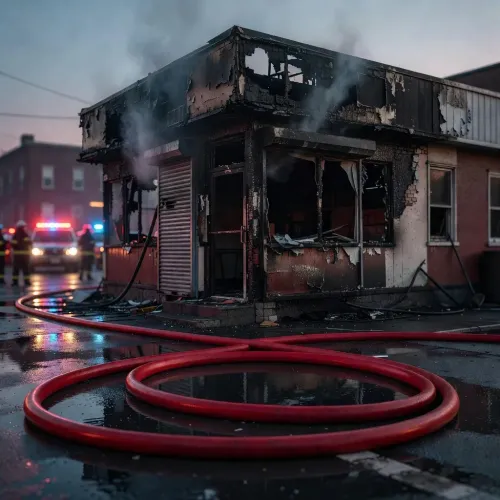
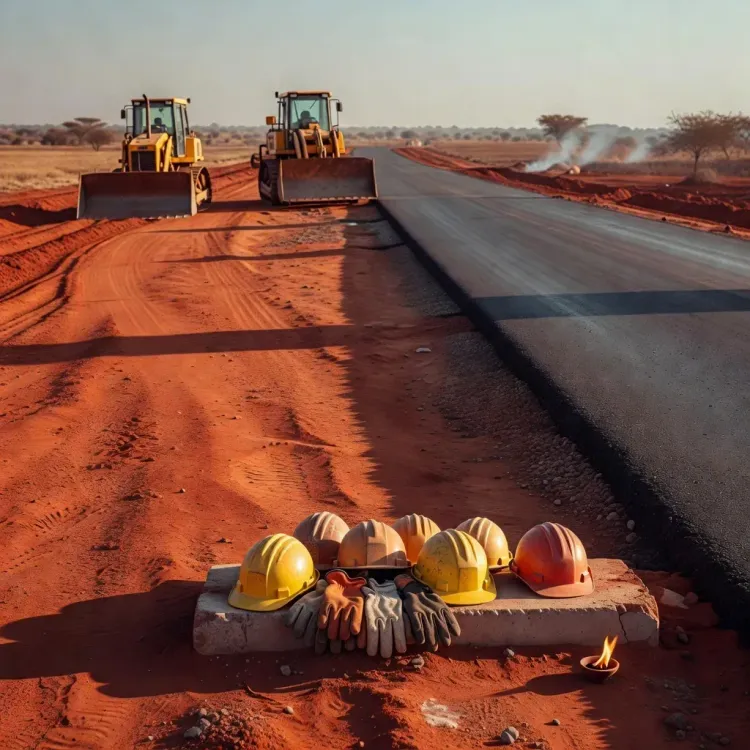
Several workers were killed by electrocution during road construction at Chapoli, Udaipurwati, Jhunjhunu district, Rajasthan on or before 2 November 2026 .
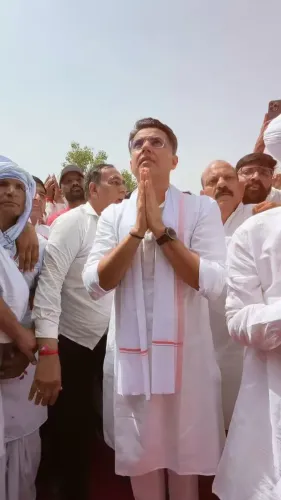
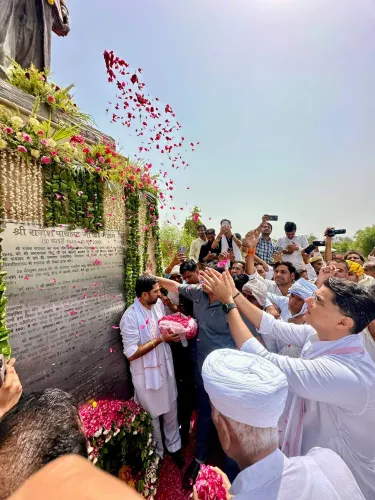
Sachin Pilot , Congress general secretary and former Deputy CM of Rajasthan, publicly condoled the deaths on 2 November 2026 .
Pilot demanded a 'thorough and complete investigation' and action against those responsible for the accident.
He called on the state government to provide 'appropriate financial compensation' to the families of the deceased workers.
The incident reflects persistent occupational safety challenges at road infrastructure sites across India.
An electrocution tragedy during road construction in Chapoli village, Udaipurwati area, Jhunjhunu district, Rajasthan, has claimed the lives of several workers — and Congress leader Sachin Pilot on Monday, 2 November 2026, broke his silence with a sharp demand for accountability directed squarely at the state government.
Pilot, the Indian National Congress general secretary and former Deputy Chief Minister of Rajasthan, described the incident as 'अत्यंत दुःखद एवं हृदयविदारक' — 'extremely sorrowful and heart-wrenching' — as news emerged of the fatal accident. 'My deepest condolences go to the families of those who lost their lives in this accident,' he wrote, adding a prayer that God grant them the strength to bear this devastating blow.
What happened in Chapoli — and what Pilot is demanding
Workers engaged in road construction in Udaipurwati were fatally electrocuted during the work. Beyond condolences, Pilot's post carried a pointed political edge: the state government must conduct a 'thorough and complete investigation' into the incident and take action against those responsible. He also called for 'appropriate compensation to provide financial support to the families of the deceased.'
The three-pronged demand — inquiry, accountability, and compensation — is a standard framework under India's labour and disaster relief laws, but the forcefulness of Pilot's phrasing signals that he expects the Rajasthan government to act, not merely acknowledge.
Occupational safety on India's road sites — a persistent failure
Fatal accidents at infrastructure construction sites are a recurring tragedy across Indian states. Electrocution during road works — often involving overhead power lines, inadequate insulation, or absent safety briefings — has claimed workers' lives in multiple districts in recent years. The Chapoli incident fits a grim, familiar pattern: labourers, often migrant or informal, working in hazardous conditions with little protective oversight.
India's construction sector is one of the country's largest employers, yet occupational safety enforcement remains uneven. State governments bear the primary responsibility for both regulation and relief. Compensation frameworks exist under schemes such as the Employees' Compensation Act and state disaster relief funds, but families of unregistered or contract workers frequently struggle to access them.
Political pressure on Rajasthan's administration
Pilot's intervention places the spotlight firmly on the Rajasthan government's response time. As a senior Congress figure and a politician with deep roots in Rajasthan, his public demand for both criminal accountability and financial relief carries weight that a routine party statement would not. Whether the administration moves swiftly to announce compensation — and whether a formal inquiry is ordered — will be closely watched.
For the families of Chapoli, the politics is secondary. What they need is swift, tangible relief. Pilot has now put that obligation on record — publicly and unambiguously.
Point of View
Prosecution of the guilty, and compensation is not new, but by issuing it on a national platform, Pilot ensures any government inaction becomes a political liability. More broadly, fatal construction accidents test whether India's labour-safety architecture is functional or merely formal — Chapoli will become a data point in that ongoing reckoning. The speed and scale of the Rajasthan government's relief announcement will define whether this remains a condolence moment or escalates into a sustained political flashpoint.
NationPress
2 Nov 2026
Frequently Asked Questions
What happened in Chapoli, Jhunjhunu?
Several workers were killed by electrocution during road construction work in Chapoli village, Udaipurwati area, Jhunjhunu district, Rajasthan. Congress leader Sachin Pilot described the incident as 'extremely sorrowful and heart-wrenching.'
What did Sachin Pilot say about the Chapoli accident?
Sachin Pilot offered his condolences to the families of the deceased and demanded that the Rajasthan state government conduct a full investigation, take action against those responsible, and provide appropriate financial compensation to the victims' families.
Who is responsible for compensation to workers killed in construction accidents in Rajasthan?
The state government bears primary responsibility under frameworks including the Employees' Compensation Act and state disaster relief funds, though accessing these benefits can be difficult for informal or contract labourers.
How common are electrocution deaths at road construction sites in India?
Electrocution during road and infrastructure works is a recurring hazard across Indian states, often linked to proximity to overhead power lines, inadequate insulation, and insufficient safety protocols for labourers.
What action has the Rajasthan government taken after the Chapoli electrocution?
As of Sachin Pilot's post on 2 November 2026, no official government response or compensation announcement had been made public. Pilot's statement explicitly calls on the state administration to act.