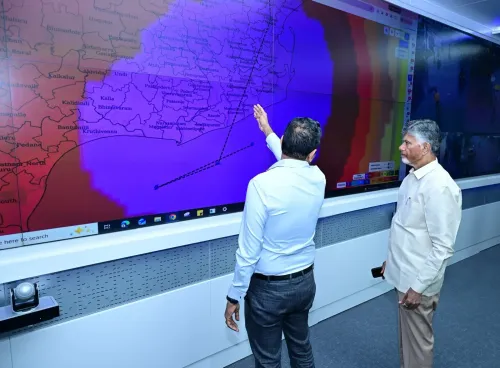
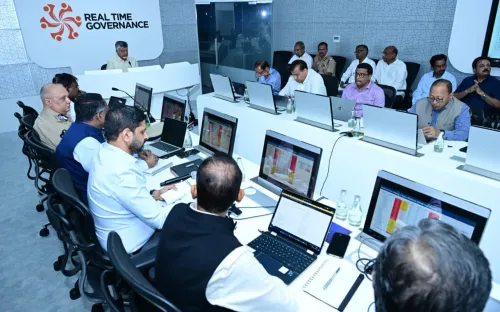
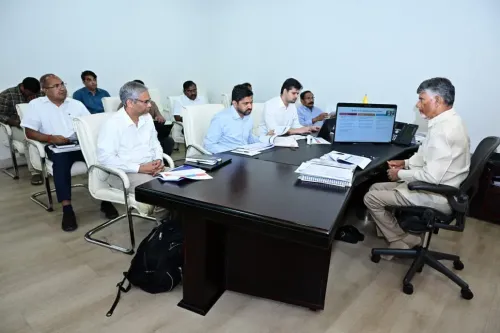
CM Chandrababu Naidu Conducts Day-2 Aerial Survey of Cyclone Arnab Zones

Synopsis
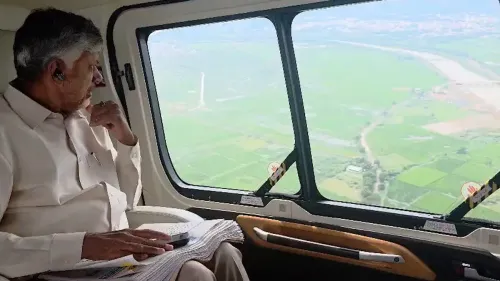
Chief Minister Nara Chandrababu Naidu conducted a second consecutive aerial survey over Cyclone Arnab-affected areas of Andhra Pradesh on October 30, 2026, and visited Mogalthur in West Godavari district as part of a field assessment tour ahead of formal relief measures.
Key Takeaways
Nara Chandrababu Naidu completed his second straight day of aerial surveys over Cyclone Arnab-affected areas of Andhra Pradesh on October 30, 2026 .
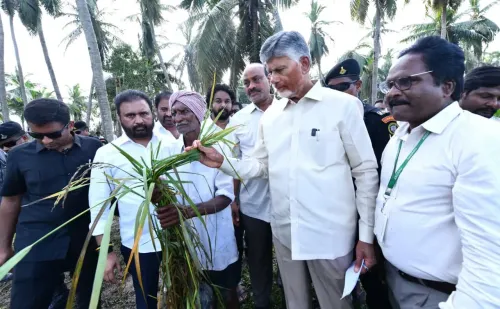
The Chief Minister visited Mogalthur , a coastal mandal in West Godavari district , as part of an on-ground field inspection.
Coastal villages, farming households, and fishing communities are the primary affected groups in the surveyed region.
Naidu conducted similar aerial and ground surveys after Cyclone Hudhud in 2014 , establishing a comparable response template.
Formal damage estimates and potential central-government relief requests are expected to follow the survey findings.
With Cyclone Arnab's destruction still raw across Andhra Pradesh's coastline, Chief Minister Nara Chandrababu Naidu took to the skies for a second consecutive day on Friday, October 30, 2026, conducting aerial surveys over the worst-hit areas before descending for an on-ground inspection at Mogalthur in West Godavari district. The Chief Minister's Office of Andhra Pradesh confirmed the visits, signalling that the state's damage-assessment effort is in full stride.
Two Days in the Air — and Then on the Ground at Mogalthur
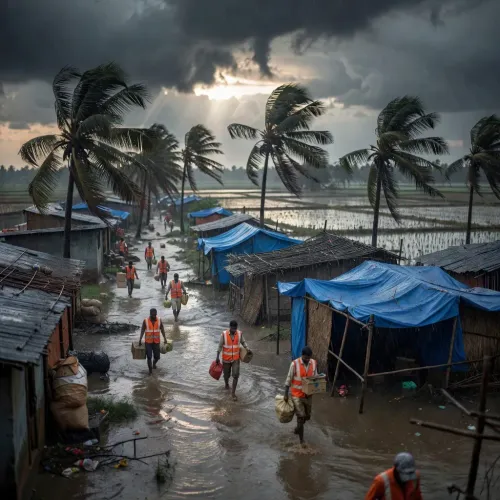
Back-to-back aerial surveys are a deliberate signal: the state leadership wants a panoramic picture of the damage before committing relief figures. The choice of Mogalthur as the first major field stop is telling — the mandal sits along a stretch of coast in West Godavari where agriculture and fishing communities are the most exposed when a Bay of Bengal storm sweeps inland. Flooded paddy fields, damaged fishing boats, and collapsed mud-and-brick homes are typically the immediate casualties in this belt.
The Chief Minister's Office posted on X in Telugu: 'అర్నబ్ తుపాను ప్రభావిత ప్రాంతాల్లో గౌరవ ముఖ్యమంత్రి శ్రీ నారా చంద్రబాబునాయుడు నేడు రెండవ రోజు ఏరియల్ సర్వే నిర్వహించారు' — 'Honourable Chief Minister Sri Nara Chandrababu Naidu today conducted a second-day aerial survey over Cyclone Arnab-affected areas' — before adding that the ground-level visit to Mogalthur followed as part of the field tour.
A Familiar Script — Learned the Hard Way After Hudhud
Chandrababu Naidu has walked this path before. After Cyclone Hudhud struck Andhra Pradesh's coast in 2014, he mounted aerial and ground surveys across battered coastal districts, a response that became a template for rapid-damage quantification and early relief mobilisation. That institutional memory is visibly at work now: the two-day survey cadence mirrors the post-Hudhud protocol almost exactly.
Andhra Pradesh's long Bay of Bengal coastline — one of India's most cyclone-exposed — makes such protocols a near-annual necessity. State machinery, from district collectors to NDRF teams, typically awaits the Chief Minister's survey findings before formalising damage estimates and triggering compensation channels for farmers, fishers, and displaced households.
What Comes Next for Cyclone Arnab Relief
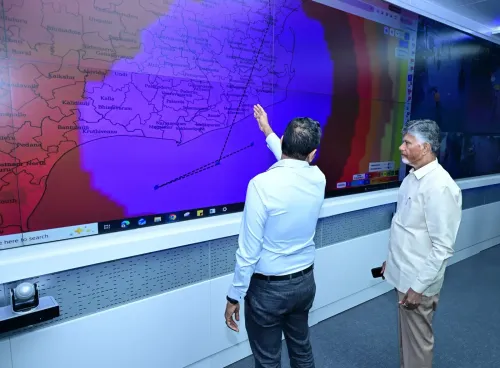
Field visits of this kind are the first step in a well-worn sequence: aerial imagery and ground observations feed into district-level damage reports, which in turn support formal requests to the central government — either through the State Disaster Response Fund or a special package, depending on severity. Coastal villages, farming households, and fishing communities across the affected mandals will be watching closely for relief announcements in the days ahead.
The pace Naidu has set — two aerial surveys in two days, followed immediately by a ground visit — suggests the state intends to compress the damage-assessment window and move to relief disbursement quickly. The next critical marker will be an official damage estimate and any formal communication with central agencies.
Point of View
Data-driven administrator, the visible urgency also carries political value: it frames the state government as proactive before the relief-package debate begins. The Mogalthur visit, specifically, targets the fishing and farming constituencies that cyclones hit hardest and that tend to define post-disaster electoral sentiment in coastal Andhra. The real test will come when the damage figures are published and whether the relief package matches the scale of destruction.
NationPress
30 Oct 2026
Frequently Asked Questions
What is Cyclone Arnab and which areas of Andhra Pradesh did it affect?
Cyclone Arnab is a Bay of Bengal cyclone that struck coastal Andhra Pradesh and prompted Chief Minister Chandrababu Naidu to conduct aerial surveys and field visits to affected areas including Mogalthur in West Godavari district on October 30, 2026. Specific damage details are being assessed.
Why did CM Chandrababu Naidu visit Mogalthur after Cyclone Arnab?
Mogalthur is a coastal mandal in West Godavari district directly exposed to cyclone damage, with farming and fishing communities most at risk. Naidu's field visit was part of an on-ground inspection to assess damage ahead of formal relief measures.
What happens after the Chief Minister's aerial survey of cyclone damage?
Aerial and ground surveys typically feed into district-level damage reports, which the state uses to formalise damage estimates and request relief from central government funds or special packages through mechanisms like the State Disaster Response Fund.
Has Chandrababu Naidu conducted cyclone surveys before?
Yes. After Cyclone Hudhud struck Andhra Pradesh in 2014, Naidu conducted aerial surveys and ground visits to coastal districts in a similar response pattern to what he is now following after Cyclone Arnab in 2026.
What relief can farmers and fishermen in cyclone-affected Andhra Pradesh expect?
Following the damage-assessment phase, the state government is expected to announce compensation and relief packages for affected farmers and fishermen, potentially including requests for central government assistance through the NDRF or a special relief scheme.