Cyclone Arnab: Andhra CM Naidu writes to Amit Shah, seeks Central assessment team

Synopsis
Cyclone Arnab has struck the Andhra Pradesh coast, prompting Chief Minister N. Chandrababu Naidu to write directly to Home Minister Amit Shah within hours of landfall. With over 28,000 people evacuated and 27 response teams deployed across 14 districts — and, notably, zero casualties so far — the state is now seeking Central support for a formal damage assessment, even as the cyclone season remains active.
Key Takeaways
Cyclone Arnab made landfall along the Andhra Pradesh coast on 28 October 2026 , affecting multiple districts.
Chandrababu Naidu wrote to Home Minister Amit Shah urging early deputation of a Central assessment team.
No loss of human life has been reported so far, attributed to the government's advance preparedness measures.
More than 28,000 people have been evacuated to rehabilitation centres across affected areas.
16 NDRF and 11 SDRF teams are deployed across 14 districts for relief and rescue operations.
Districts of Konaseema , Kakinada , East Godavari , West Godavari , Anakapalli , and Krishna are the worst affected.
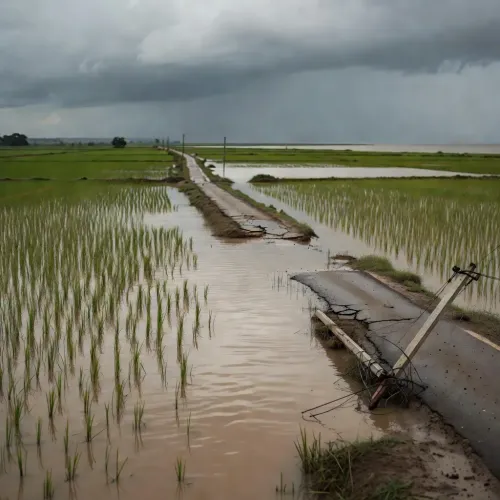
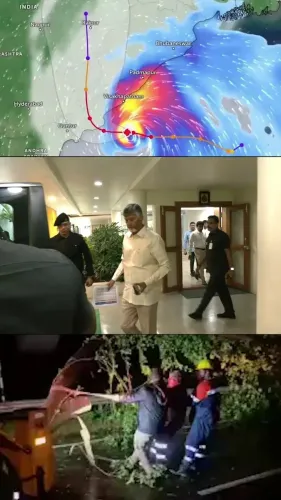
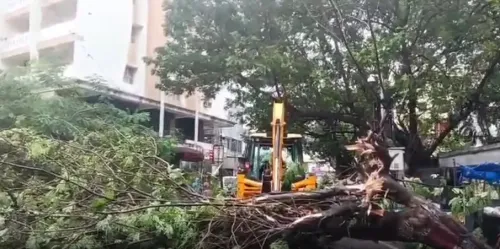
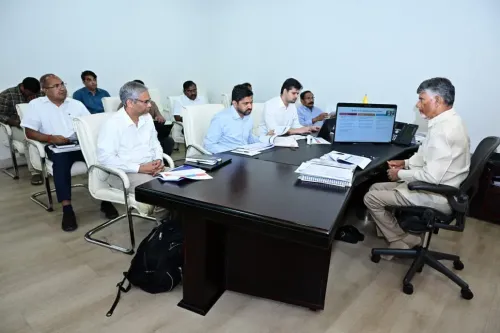
Andhra Pradesh Chief Minister N. Chandrababu Naidu on Wednesday, 28 October 2026, wrote to Union Home Minister Amit Shah urging the early deputation of a Central team to assess damage caused by Cyclone Arnab across the state. The letter was sent within hours of the severe cyclonic storm making landfall along the Andhra Pradesh coast, with multiple districts reporting damage to crops, houses, roads, and electricity infrastructure.
Scale of the Impact
According to the Chief Minister's letter, the districts of Konaseema, Kakinada, East Godavari, West Godavari, Anakapalli, and Krishna have been the most severely affected. Preliminary assessments, described as still being verified, indicate that damage has been 'kept to the minimum possible,' according to Naidu.
Critically, no loss of human life has been reported so far — an outcome the Chief Minister attributed to the state government's advance preparedness measures. 'I am relieved to inform that no loss of human life has been reported so far,' Naidu wrote in the letter.
Rescue and Relief Operations
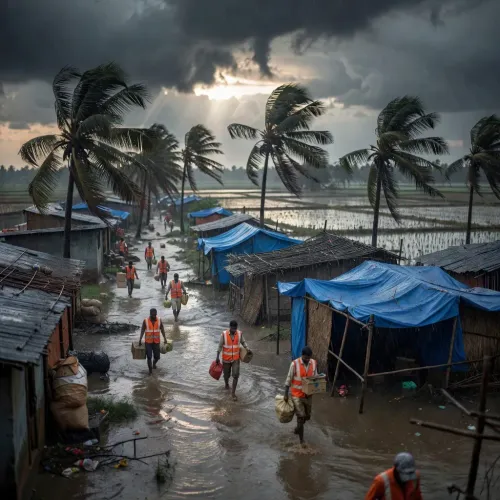
A total of 16 NDRF (National Disaster Response Force) and 11 SDRF (State Disaster Response Force) teams have been deployed across 14 districts for relief and rescue operations. More than 28,000 people have been shifted to rehabilitation centres in cyclone-affected areas.
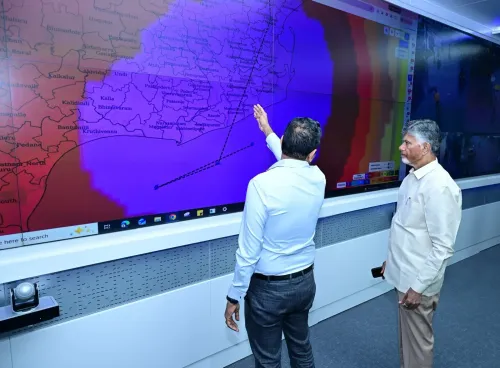
State machinery, including the State Emergency Operations Centre and district-level control rooms, has been functioning round the clock since the storm hit. The government has prioritised restoring electricity and drinking water supplies in affected areas, with field teams reportedly working through the night.
What the State Has Asked of the Centre
Chief Minister Naidu has made two specific requests in his letter. First, he has urged the Centre to continue providing support from NDRF and other central agencies for relief and rehabilitation operations. Second, he has requested the deputation of a Central assessment team once the state submits its detailed damage report.
Naidu indicated that a comprehensive damage assessment report will be submitted to the Centre following a thorough on-ground evaluation. He thanked the Central government for its 'continued support' and assured that the state will monitor rainfall and flooding in the coming days, keeping the Centre informed of further developments.
Context and What Comes Next
Cyclone Arnab's landfall adds to a growing pattern of severe cyclonic activity along India's eastern coastline, which has seen multiple high-intensity systems in recent seasons. Andhra Pradesh, with its long Bay of Bengal coastline, has historically borne the brunt of such events, making institutional preparedness and rapid Central-state coordination critical to minimising losses.
The state government's early mobilisation of over 27 response teams across 14 districts appears to have helped prevent casualties, though the full economic impact — particularly to agriculture and rural infrastructure — will only become clear once detailed assessments are completed. With the cyclone season still active, authorities have warned of continued vigilance in the affected districts over the coming days.
Point of View
Slower question of economic damage to agriculture and rural infrastructure in six already-stressed coastal districts. The Centre-state damage assessment dynamic is also worth watching: the formal request for a Central team, submitted before the state's own detailed report is ready, reflects both cooperative federalism and a bid to unlock faster disaster relief funding. How quickly the Centre responds — and whether the assessment is completed before the next budget cycle closes — will determine how meaningfully Andhra Pradesh can begin reconstruction.
NationPress
28 Oct 2026
Frequently Asked Questions
What damage has Cyclone Arnab caused in Andhra Pradesh?
Cyclone Arnab has caused damage to crops, houses, roads, and electricity poles across at least six districts, including Konaseema, Kakinada, East Godavari, West Godavari, Anakapalli, and Krishna. No loss of human life has been reported so far, according to Chief Minister N. Chandrababu Naidu's letter to the Centre.
Why has Andhra CM Naidu written to Home Minister Amit Shah?
Chief Minister Naidu has requested the Centre to depute a Central assessment team to evaluate the damage caused by Cyclone Arnab, and to continue providing NDRF and other central agency support for relief operations. The letter was sent within hours of the storm making landfall on 28 October 2026.
How many people have been evacuated after Cyclone Arnab?
More than 28,000 people have been shifted to rehabilitation centres in cyclone-affected areas of Andhra Pradesh. The evacuation was supported by 16 NDRF and 11 SDRF teams deployed across 14 districts.
Has anyone died in Cyclone Arnab?
No loss of human life has been reported as of 28 October 2026, according to the Andhra Pradesh government. Chief Minister Naidu credited the state's advance preparedness measures for preventing casualties.
What happens next after Cyclone Arnab in Andhra Pradesh?
The state government has said it will submit a comprehensive damage report to the Centre after a detailed on-ground assessment. Authorities also plan to monitor rainfall and flooding in the coming days, with restoration of electricity and drinking water supplies being the immediate priority in affected areas.