Supreme Court declines urgent hearing on Diwali airfare surge, says 'don't travel by air'
Synopsis
The Supreme Court's blunt 'don't travel by air' remark during Diwali — when domestic fares reportedly surged 700% — captures the friction at the heart of India's aviation pricing debate. Even as the same Bench had earlier demanded 'rationalisation', it refused emergency relief, leaving passengers to await new fare-transparency rules that only kick in from January 2027.
Key Takeaways
The Supreme Court on 3 November 2026 declined urgent listing of a plea over a reported 700% airfare surge during Diwali.
Justice Vikram Nath remarked: 'Don't travel by air.
Next case.' The application is part of a larger PIL challenging opaque and algorithm-driven airline pricing practices.
The Bharatiya Vayuyan Niyam, 2026 — replacing the Aircraft Rules, 1937 — mandates fare transparency and will come into force on 1 January 2027 .
Solicitor General Tushar Mehta had assured the court the new rules were finalised and approved as of 16 October .
The PIL is listed for its next hearing on 16 November 2026 .
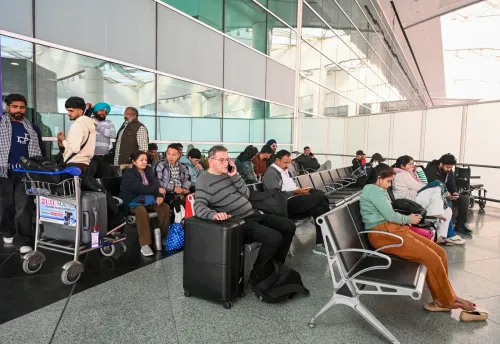
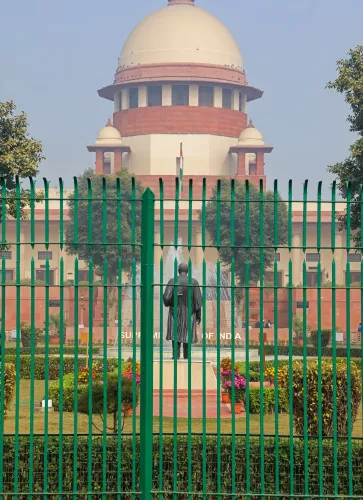
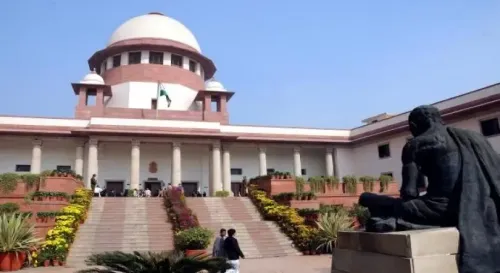
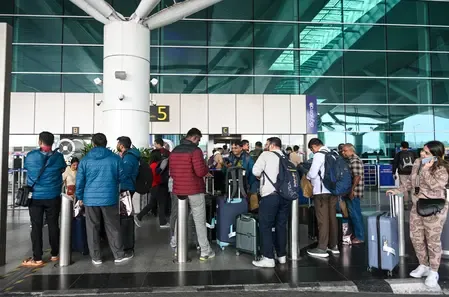
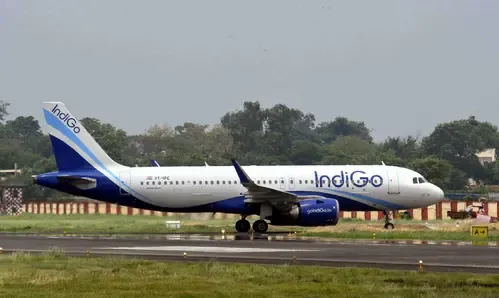
The Supreme Court on 3 November 2026 declined to urgently list a plea challenging a reported 700 per cent surge in domestic airfares during the Diwali festive season, with Justice Vikram Nath suggesting that passengers could simply opt out of air travel if prices were too high. The terse response — 'Don't travel by air. Next case.' — drew attention to the widening gap between judicial urgency thresholds and everyday consumer grievances.
What the Petition Argued
The application was placed before a Bench of Justices Vikram Nath, Sandeep Mehta, and Aparesh Kumar Singh. Counsel for the applicant contended that airfares had spiked by as much as 700 per cent during the festive period, making air travel effectively inaccessible for a large section of passengers.
The petition argued that air travel had become an essential service and that such steep price escalations violated Article 14 of the Constitution, which guarantees equality before the law. The Bench, however, was unmoved and declined the request for urgent listing without entering the merits.
Background: A Wider PIL on Airline Pricing
The interlocutory application is part of a larger, pending public interest litigation (PIL) challenging what petitioners describe as opaque, exploitative, and algorithm-driven pricing practices in India's civil aviation sector. The PIL targets unpredictable fare fluctuations, steep last-minute increases, and hidden charges imposed by airlines.
Notably, the same Bench had, in an earlier hearing, itself flagged the irrationality of existing fare structures. Justice Nath had observed: 'Try to give some relief to people. On the same day, flights to the same destination — one airline charges Rs 8,000 while another charges Rs 18,000 in economy class. There has to be some rationalisation.' The contrast between that observation and the current dismissal underscores the court's reluctance to intervene on an emergency basis even while acknowledging the underlying problem.
Government's Response and New Aviation Rules
The ongoing litigation had already prompted significant regulatory movement. Solicitor General Tushar Mehta had assured the Bench that rules under the Bharatiya Vayuyan Adhiniyam, 2024 — addressing airfare structures and additional charges — had received administrative approval and would be published within two weeks.
On 16 October, the Centre confirmed to the apex court that the rules had been finalised. Following the court's intervention, the government notified the Bharatiya Vayuyan Niyam, 2026, replacing the Aircraft Rules, 1937, which had governed civil aviation for nearly nine decades.
The new framework is set to come into force on 1 January 2027. Among its key provisions, the rules mandate fare transparency — airlines will be required to disclose the total ticket price along with a detailed breakup of base fares, taxes, fees, cancellation charges, and refund policies. Airline tariffs will remain under the oversight of the Directorate General of Civil Aviation (DGCA).
The matter has been listed for the next hearing on 16 November 2026, when the Centre is expected to place the published rules before the Bench.
What This Means for Air Travellers
For passengers who faced sharply elevated fares over the Diwali break, the immediate ruling offers no relief. The court's refusal to grant urgent listing means the structural pricing concerns raised in the PIL will continue to be addressed through the regular judicial calendar rather than on an expedited basis.
The Bharatiya Vayuyan Niyam, 2026, when it takes effect in January 2027, could bring greater price visibility — but critics argue that transparency alone, without a fare cap or binding rationalisation mechanism, may not meaningfully curb festive-season spikes. Whether the new rules deliver measurable consumer relief will likely be tested before the court when the PIL resumes on 16 November.
Point of View
In an earlier session, demanded fare rationalisation and noted economy seats to the same destination varying from ₹8,000 to ₹18,000. The contradiction exposes a structural gap: India has no fare cap mechanism, and the incoming Bharatiya Vayuyan Niyam, 2026, offers transparency but not price control. Disclosure of fare breakdowns will inform consumers; it will not prevent a 700% festive spike. The real accountability test comes on 16 November, when the Centre must place the published rules before the court — and the Bench must decide whether transparency provisions are sufficient or whether the PIL needs to push for enforceable pricing guardrails.
NationPress
3 Nov 2026
Frequently Asked Questions
Why did the Supreme Court decline urgent hearing on Diwali airfare hike?
The Supreme Court declined to urgently list the plea because the Bench, led by Justice Vikram Nath, did not find it meeting the threshold for emergency intervention, remarking that passengers had the option to avoid air travel. The underlying PIL on airline pricing practices remains pending and is scheduled for hearing on 16 November 2026.
How much did domestic airfares rise during Diwali 2026?
According to the petitioner's counsel, domestic airfares surged by as much as 700 per cent during the 2026 Diwali festive season. The petition argued this violated Article 14 of the Constitution, though the court did not rule on the merits at this stage.
What are the new aviation rules replacing the Aircraft Rules, 1937?
The government has notified the Bharatiya Vayuyan Niyam, 2026, which replaces the Aircraft Rules, 1937 — in force for nearly nine decades. The new rules come into effect on 1 January 2027 and require airlines to disclose the total ticket price along with a breakup of base fares, taxes, fees, cancellation charges, and refund policies.
What relief is available to passengers facing high airfares right now?
No immediate relief has been granted by the Supreme Court. The new Bharatiya Vayuyan Niyam, 2026, which introduces fare transparency requirements, will only come into force on 1 January 2027. Until then, airline pricing remains subject to existing DGCA oversight without a binding fare cap.
When is the next Supreme Court hearing on airline pricing?
The PIL challenging airline pricing practices is listed for hearing on 16 November 2026. The Centre is expected to place the published Bharatiya Vayuyan Niyam, 2026 rules before the Bench on that date, as directed by the court.