Supreme Court quashes student protest FIRs nationwide, CJP withdraws Sep 5 march
Synopsis
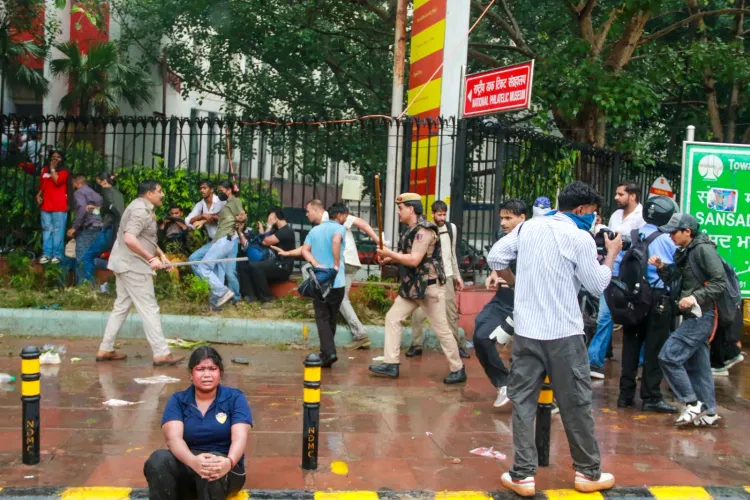
The Supreme Court used its rare Article 142 powers to wipe out student protest FIRs across every state and Union Territory — a sweeping relief covering 20-25 July demonstrations nationwide. Within hours, the CJP called off its September 5 march, and the Centre was handed a three-month deadline to build a pan-India compensation framework for NEET suicide victims. The case marks one of the broadest judicial interventions in protest-related criminal proceedings in recent memory.
Key Takeaways
The Supreme Court on 1 September quashed all FIRs against student protesters from 20–25 July across every state and Union Territory, invoking Article 142 of the Constitution.
The bench was led by CJI Surya Kant , with Justices Joymalya Bagchi and V.
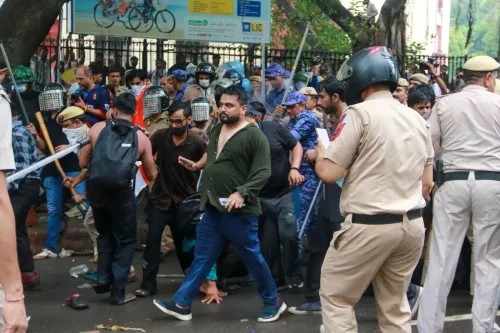
Delhi Police may register one consolidated FIR against 2,873 individuals at Jantar Mantar with serious criminal antecedents, limited strictly to bodily harm and property destruction.
The Centre must formulate a pan-India compensation policy for families of NEET-related student suicides within three months .
CJP co-convener Saurav Das announced the withdrawal of the party's September 5 protest march from India Gate to New Delhi Police Headquarters.
The court clarified its Article 142 invocation is specific to this case and will not serve as binding precedent .
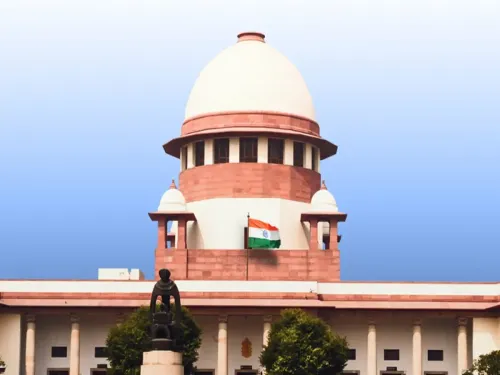
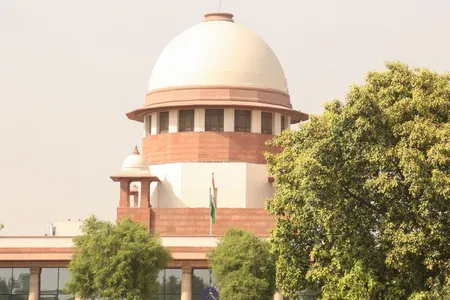
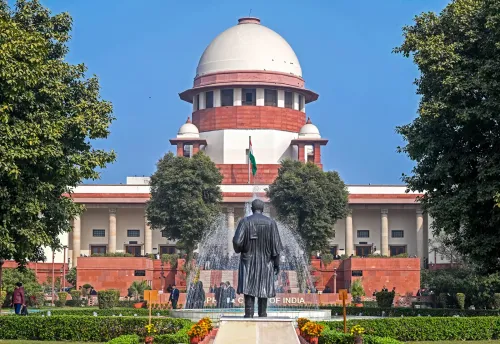
The Supreme Court of India on Tuesday, 1 September quashed all First Information Reports (FIRs) registered against student protesters across the country in connection with demonstrations held between 20 and 25 July, and directed that no fresh cases will be filed by any state or Union Territory arising from those protests. The bench invoked its extraordinary powers under Article 142 of the Constitution to protect the future prospects of young demonstrators who participated in what it described as peaceful protests.
What the Supreme Court Ordered
A bench comprising Chief Justice of India (CJI) Surya Kant and Justices Joymalya Bagchi and V. Mohana ruled that FIRs registered in Delhi, Bihar, Maharashtra, West Bengal, and Assam — as well as in any other state or Union Territory not specifically covered by the applications — would be treated as closed and would neither be pursued nor investigated.
'Keeping in view the future prospects of the young protesters who came to participate in a peaceful protest to raise their voice in support of certain demands, we deem it appropriate to invoke our powers under Article 142 of the Constitution in order to do complete justice between the parties,' the bench stated.
The court further directed that no fresh FIR will be registered by any state or UT in relation to incidents arising from the protests during that period, making the relief effectively pan-India in scope.
Exception for Serious Criminal Antecedents
The apex court, however, granted Delhi Police liberty to register a single consolidated FIR against 2,873 individuals who were present at the Jantar Mantar protests and were stated to have serious criminal antecedents. The bench clarified that such an FIR would be strictly confined to allegations of bodily harm and destruction of property, and would not prejudice the legal rights of the affected parties.
'Such an FIR can be registered without prejudice to the rights of the affected parties to seek remedies available to them in law, and strictly confined to the two categories of allegations referred to in paragraph 4, namely, bodily harm and destruction of property,' the bench noted.
Government Assurances and NEET Compensation Policy
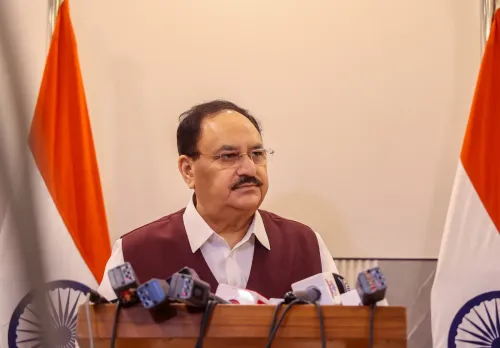
Solicitor General Tushar Mehta submitted before the court that the Centre's applications had been filed pursuant to assurances given to the leadership of the Cockroach Janta Party (CJP) on 25 July — that cases against protesters would be withdrawn and no future FIR would be registered. He also confirmed that the government remained committed to providing compensation to families of students who died by suicide in connection with academic issues, including the NEET-UG 2026 examination.
Acting on this, the Supreme Court directed the Union of India to formulate a pan-India compensation policy within three months, in consultation with concerned state governments. 'Such policy shall be circulated to all the state governments concerned and implementing authorities, so that it can be adopted as a regular mechanism for payment of compensation,' the court directed.
CJP Withdraws September 5 Protest March
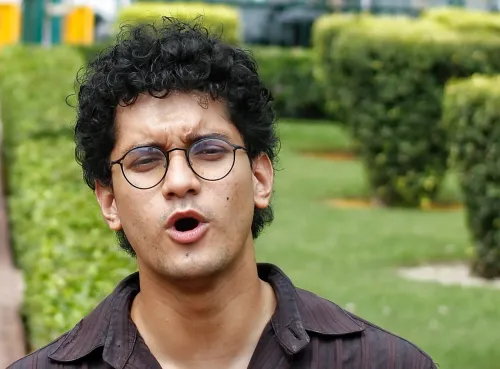
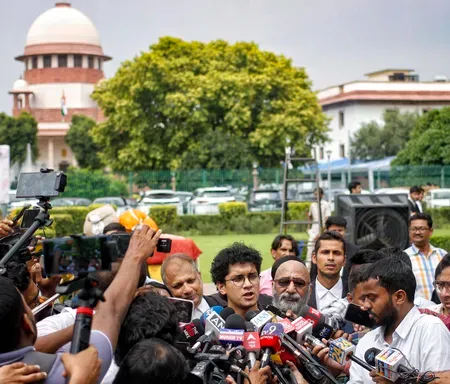
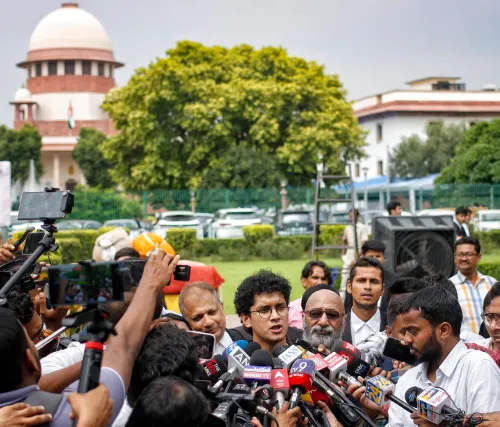
Shortly after Solicitor General Mehta made his submissions, CJP co-convener Saurav Das, who was present in the courtroom, announced that the party had decided to withdraw its proposed September 5 protest march from India Gate to the New Delhi Police Headquarters, citing the government's assurances and the court's order.
The CJP had announced the march on 24 August, alleging the Centre had failed to honour commitments made to young people following the withdrawal of nationwide youth protests on 25 July. The party had said the march would be led by families of deceased NEET victims and victims of alleged police brutality, alongside students from across the country.
Background and Court's Earlier Stance
The Centre had moved the Supreme Court on Monday, 31 August, seeking the quashing of FIRs and urging the court to invoke Article 142 for 'complete justice'. On the same day, the Supreme Court had separately declined to pass any interim order against the proposed September 5 march, observing that there were no compelling circumstances to presume the demonstration would result in a law and order problem.
The bench had also remarked that maintenance of law and order was ultimately the responsibility of police authorities, and that all participants would be presumed to act responsibly and lawfully. Notably, the court stressed that its invocation of Article 142 in this instance was specific to the 'peculiar facts and circumstances' of the case and should not be treated as a binding precedent. With the FIRs quashed and the march withdrawn, attention now shifts to whether the Centre delivers on its promised compensation framework within the court-mandated three-month window.
Point of View
Which signals judicial discomfort with the breadth of what it was doing even as it did it. The more consequential question is the NEET compensation directive: a court-ordered pan-India policy for student suicide victims is uncharted territory, and the three-month window will test whether the Centre's assurances were substantive or tactical. The CJP's swift withdrawal of the September 5 march, within hours of the order, suggests the protest threat was always a negotiating lever — and that it worked.
NationPress
17 Oct 2026
Frequently Asked Questions
Why did the Supreme Court quash FIRs against student protesters?
The Supreme Court quashed the FIRs to protect the future prospects of young protesters who participated in peaceful demonstrations between 20 and 25 July. It invoked Article 142 of the Constitution — which grants the court extraordinary powers to do 'complete justice' — after the Centre and several state governments filed applications seeking withdrawal of the cases.
What is Article 142 of the Constitution and why was it used here?
Article 142 empowers the Supreme Court to pass any order necessary to do 'complete justice' in a case, even beyond the scope of existing law. The court used it here to give pan-India effect to the quashing of student protest FIRs, covering states and Union Territories beyond those that had formally applied. The bench clarified this invocation should not be treated as a binding precedent.
Who are the 2,873 individuals against whom Delhi Police can still file an FIR?
Delhi Police was granted liberty to register a single consolidated FIR against 2,873 individuals stated to have serious criminal antecedents who were present at the Jantar Mantar protests. The FIR is strictly limited to allegations of bodily harm and destruction of property, and does not affect the legal rights of those individuals to seek remedies.
What is the NEET-UG 2026 compensation policy ordered by the Supreme Court?
The Supreme Court directed the Union of India to formulate a pan-India policy within three months for paying compensation to families of students who died by suicide in connection with academic issues, including the NEET-UG 2026 examination. The policy must be shared with all state governments and implementing authorities as a standard mechanism.
Why did the CJP withdraw its September 5 protest march?
The Cockroach Janta Party withdrew its proposed march from India Gate to New Delhi Police Headquarters on 5 September after the government reaffirmed its assurances in the Supreme Court and the bench passed its order quashing the student protest FIRs. CJP co-convener Saurav Das made the announcement in the courtroom itself.