Supreme Court issues notice on plea over INDIA bloc march, CJI says 'nobody can browbeat us'
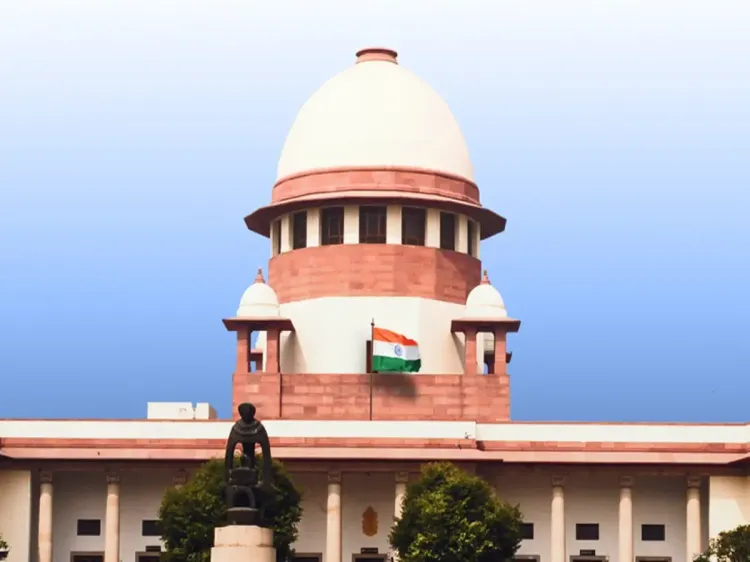
Synopsis
The Supreme Court's pointed response — 'nobody can browbeat us' — to the INDIA bloc's march on its premises marks a rare moment where the judiciary has directly pushed back against Opposition political theatre. With CCTV preservation ordered, contempt proceedings on the table, and one petitioner's conduct already flagged, the next hearing could draw a hard constitutional line between democratic protest and judicial pressure.
Key Takeaways
The Supreme Court on 15 October 2026 issued notice on a petition seeking a framework to ban political demonstrations in and around court premises.
CJI Surya Kant stated 'nobody can browbeat us,' calling such attempts 'fragile,' and ordered preservation of CCTV footage from the 12 October march.
Four advocates filed the petitions after INDIA bloc leaders, including Rahul Gandhi , marched towards the apex court over the Special Intensive Revision (SIR) of electoral rolls.
The court separately issued notice to the Election Commission of India (ECI) on a petition by Gandhi and 12 INDIA bloc leaders challenging the SIR exercise .
The Bench flagged the conduct of one unnamed petitioner, saying it would seek an explanation at the next hearing; notice against that petitioner is provisional.
The petitions also seek consideration of criminal contempt proceedings against political leaders whose conduct is found to warrant such action.
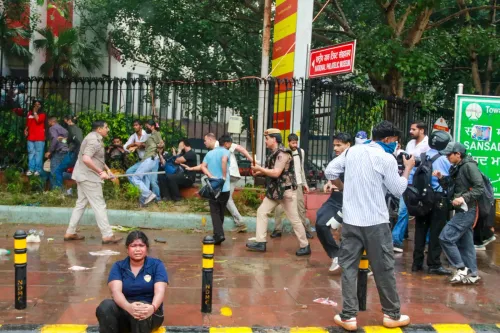
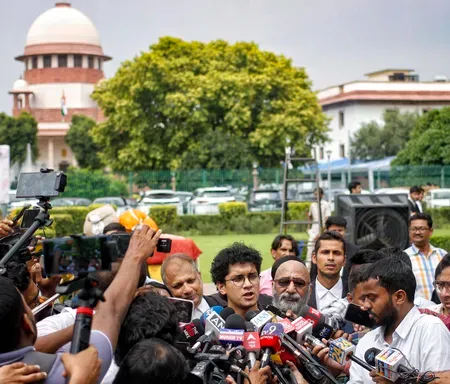
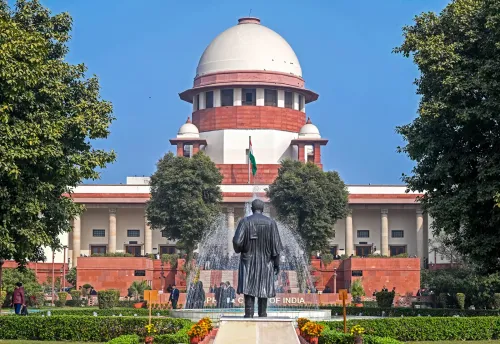
The Supreme Court on Thursday, 15 October 2026, issued notice on a petition seeking safeguards against political demonstrations in and around court premises, following the Opposition INDIA bloc leaders' protest march towards the apex court on 12 October. Chief Justice of India (CJI) Surya Kant, heading a Bench that also included Justice Joymalya Bagchi, declared that 'nobody can browbeat' the top court and directed the preservation of CCTV footage and other digital evidence linked to the march.
What the Bench Said
Senior advocate Gaurav Bhatia, appearing for the petitioners, submitted that it was unacceptable for the Supreme Court to be confronted with a political procession. The CJI-led Bench responded sharply, characterising such attempts as 'fragile' and noting that 'nobody took notice of them.'
'We are not sitting in ivory towers. We know what statements they make outside and what they say in court. We know everything,' the apex court remarked, signalling its awareness of the political backdrop surrounding the proceedings.
What the Petition Seeks
Four advocates have filed petitions demanding a uniform framework to regulate political processions and demonstrations around the Supreme Court and High Courts, including a prohibition on political protests inside court premises. The petitioners have argued that political mobilisation must not be permitted to interfere with the administration of justice or create pressure on courts in matters pending adjudication.
The pleas additionally seek preservation of CCTV footage, visitor and access-control records, and security reports from the 12 October incident, as well as an examination of the conduct of political leaders involved. The petitioners have also urged the court to consider initiating criminal contempt proceedings if the leaders' actions are found to warrant such action.
Background: The INDIA Bloc March and the SIR Controversy
The controversy traces back to a protest march led by Leader of Opposition in the Lok Sabha Rahul Gandhi and other INDIA bloc leaders towards the Supreme Court to raise concerns over the Special Intensive Revision (SIR) of electoral rolls. The march followed CJI Surya Kant's decision to decline a request by Gandhi and Congress president Mallikarjun Kharge to meet him and submit a memorandum on the issue, on the grounds that the matters raised were already pending before the court.
In his written response, the CJI noted that convening a meeting to discuss pending cases would be contrary to the constitutional principle of separation of powers — an intrinsic facet of the basic structure doctrine. He clarified that the Supreme Court does not exercise administrative powers over the issues highlighted and advised the Opposition leaders to approach the court through the established legal process.
Following that communication, Gandhi announced that the INDIA bloc would file a formal petition, while appealing to citizens to support their campaign in defence of the Constitution and democracy.
Parallel Proceedings on the SIR Challenge
Separately on Thursday, the Supreme Court issued notice to the Election Commission of India (ECI) on a petition filed by Gandhi and 12 other INDIA bloc leaders challenging the SIR exercise. The CJI Kant-led Bench directed that the plea be tagged with other pending petitions challenging the validity of the SIR in various states.
Notably, the Bench also indicated it would seek an explanation from one of the petitioners regarding their conduct, without identifying the individual at this stage. 'We would like to ask one of the petitioners about his conduct on the next date of hearing,' the court said, adding that the notice would be entertained provisionally subject to that explanation.
What Happens Next
The Supreme Court's dual actions — issuing notice on the safeguards plea while also flagging the conduct of a petitioner in the SIR challenge — set up a potentially significant next hearing. The outcome could shape the boundaries of political expression in the vicinity of constitutional courts, while also placing the INDIA bloc's legal strategy under judicial scrutiny.
Point of View
It could set a precedent with far-reaching implications for how Opposition parties use proximity to constitutional institutions as a protest venue. The separation-of-powers point the CJI raised in declining the Gandhi-Kharge meeting request is also the stronger constitutional argument — and one that cuts both ways.
NationPress
15 Oct 2026
Frequently Asked Questions
Why did the Supreme Court issue notice on the political demonstration plea?
The Supreme Court issued notice on petitions filed by four advocates seeking a uniform framework to regulate political processions and demonstrations near court premises, triggered by the INDIA bloc's protest march towards the apex court on 12 October 2026. The court also directed preservation of CCTV footage and digital evidence from the incident.
What did CJI Surya Kant mean by 'nobody can browbeat us'?
CJI Surya Kant made the remark in response to submissions that it was unacceptable for the Supreme Court to be confronted with a political procession. The Bench characterised such attempts as 'fragile' and noted that the court was fully aware of what political leaders said outside court versus inside it.
What is the Special Intensive Revision (SIR) of electoral rolls that triggered the march?
The Special Intensive Revision (SIR) is an electoral roll exercise conducted by the Election Commission of India that the INDIA bloc leaders, including Rahul Gandhi, have challenged as legally flawed. The Supreme Court issued notice to the ECI on their petition and tagged it with other pending SIR-related challenges.
Could INDIA bloc leaders face contempt proceedings?
The petitions before the Supreme Court have urged it to examine the conduct of political leaders involved in the 12 October march and consider initiating criminal contempt proceedings if their actions warrant such action. No contempt action has been initiated yet; the court has so far only issued notice and directed evidence preservation.
What happens at the next Supreme Court hearing on this matter?
At the next hearing, the court is expected to seek an explanation from one unnamed petitioner regarding their conduct during the 12 October incident; that petitioner's notice is currently provisional. The SIR petition will be heard alongside other pending challenges to the electoral roll revision exercise.