CJI Surya Kant: No SC petition filed over Sansad Chalo police action
Synopsis
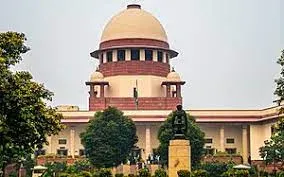
CJI Surya Kant took the rare step of publicly rebuking media coverage from the bench, clarifying that no writ petition was ever filed over the Sansad Chalo police action — only a letter representation. The distinction matters legally and journalistically: the Supreme Court never had a case to list or refuse. Meanwhile, the Centre moved to defuse the wider crisis, with ministers meeting Sonam Wangchuk and offering Parliament-level discussions on NEET reform.
Key Takeaways
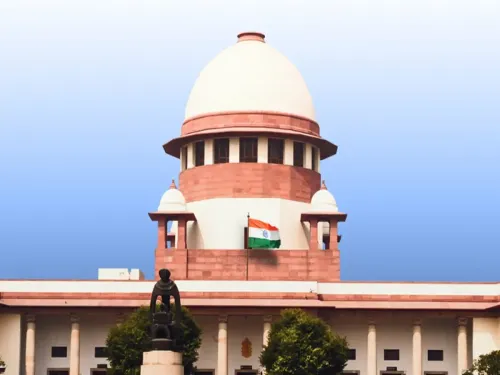
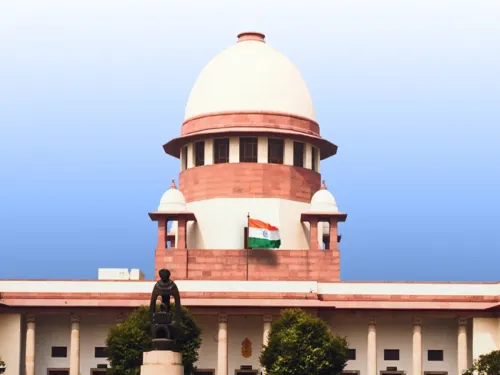
CJI Surya Kant clarified in open court on Friday that no writ petition was filed before the Supreme Court over alleged police action during the Sansad Chalo march.
Only a letter representation by advocate Narendra Mishra was submitted, seeking suo motu intervention under Article 32 of the Constitution.
The CJI called media reports claiming he ‘refused to list the matter’ “completely false” and verified the position with the Supreme Court Registry .
The bench — comprising Justice Joymalya Bagchi and Justice V.
Mohana — had earlier declined an urgent hearing request citing protest videos.
The Centre assured Parliament discussions on exam reforms and is considering not filing cases against peaceful protesters from the July 20 march.
Activist Sonam Wangchuk ended his 26-day hunger strike after meeting Union Ministers Dr Jitendra Singh and J.P.
Nadda at Medanta Hospital, Gurugram .
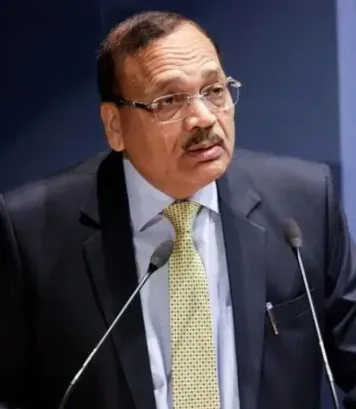
Chief Justice of India (CJI) Surya Kant on Friday, 25 July 2025, publicly rebutted media reports claiming he had refused to list a petition concerning alleged police action against student protesters during the 'Sansad Chalo' march, stating categorically that no writ petition had ever been filed before the Supreme Court. The CJI clarified in open court that only a letter representation had been submitted — a document that carries no legal standing equivalent to a formal writ petition.
What CJI Surya Kant Said in Open Court
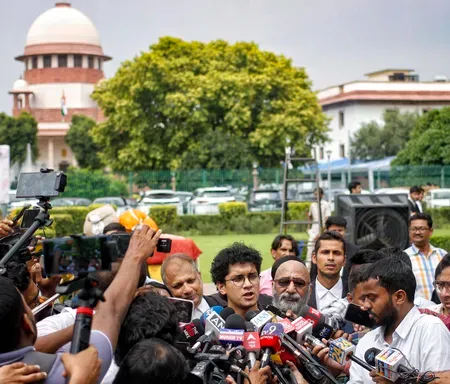
Speaking directly from the bench, CJI Kant called the media reports “completely false” and the product of “irresponsible reporting.” He said: “In the last two days, a completely false statement was made that a matter was filed, and the media is absolutely free from all responsibility, falsely reporting that the Chief Justice refused to list the matter. Till morning 10 a.m., not a single page has been filed. It was one representation. How can I treat the representation as a writ petition? And people start recklessly reporting this.”
The CJI added that he had personally cross-checked with the Supreme Court Registry before making the clarification. “I checked with the Registry and not a paper was filed,” he stated, also referencing advocate Narendra Mishra, who had submitted the letter representation.
Background: The Sansad Chalo Protest and NEET-UG 2026
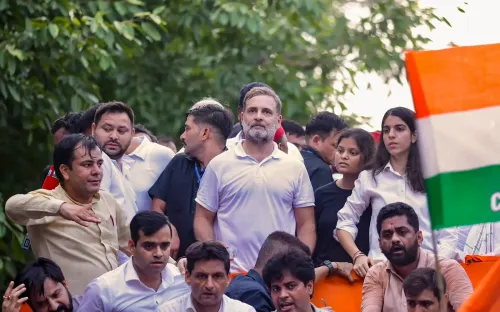
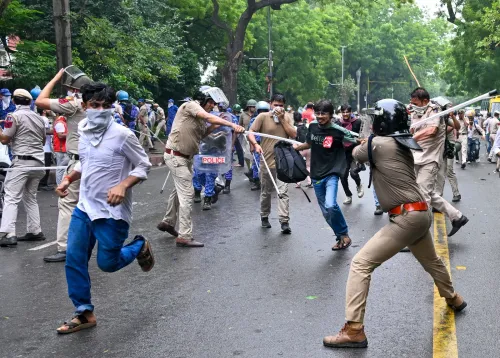
The controversy stems from the July 20 march to Parliament, in which students protested alleged irregularities in the NEET-UG 2026 examination and demanded structural reforms at the National Testing Agency (NTA), including its dissolution. Students and civil society groups alleged that Delhi Police used excessive force against peaceful demonstrators, with some accounts referencing videos purportedly showing unidentified persons in civilian clothing assaulting protesters in the presence of police personnel.
Earlier in the week, when a counsel sought an urgent hearing before the CJI Kant-led bench — also comprising Justice Joymalya Bagchi and Justice V. Mohana — and cited videos of alleged police brutality, the bench declined, saying: “We are not interested in videos. We don’t have time to watch.” The bench had also told the counsel: “Please don’t waste our time and don’t waste yours. Your time is more valuable than ours.”
What the Letter Representation Sought
Advocate Narendra Mishra had addressed the letter representation to CJI Kant, seeking the apex court’s suo motu intervention under Article 32 of the Constitution. The representation alleged violations of fundamental rights during the handling of the protest and sought directions to investigate claims that unidentified individuals in civilian clothes assaulted peaceful protesters in the presence of police. It also sought preservation of all electronic evidence, including drone footage, body-camera recordings, wireless communication logs, and social media videos related to the incident.
Centre's Assurances and Sonam Wangchuk's Fast
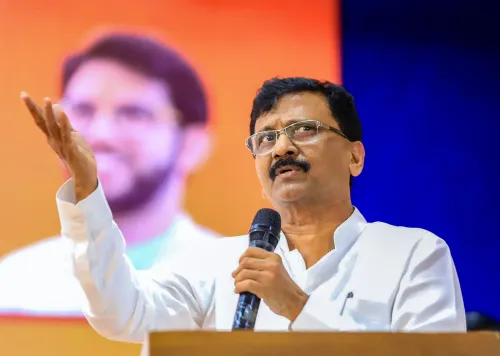
Separately, the Centre on Friday reiterated its commitment to ensuring justice for students and to taking strict action against those who compromise the integrity of public examinations. Union Minister Dr Jitendra Singh, along with Union Health Minister J.P. Nadda, met activist Sonam Wangchuk at Medanta Hospital in Gurugram, following which Wangchuk ended his 26-day hunger strike.
According to the government, it has assured a detailed discussion in Parliament on paper leaks and examination reforms, is positively considering not registering cases against those who protested peacefully at Jantar Mantar and during the July 20 march, and is also weighing suitable compensation for families of students who allegedly died by suicide in connection with the NEET paper leak controversy.
With the Supreme Court's position now clarified and the Centre engaging with protesters' demands, the focus shifts to whether Parliament will take up examination reform legislation in the ongoing session.
Point of View
When the letter representation was brought to its attention informally, respond with ‘don’t waste our time’ rather than directing the petitioner to file a proper writ? That response, on the record, will continue to fuel perception that the court was reluctant to engage with the NEET protest grievances — regardless of the procedural distinction between a letter and a writ. The Centre’s concessions to Wangchuk suggest the political cost of the crisis is now registering, but compensation promises and parliamentary assurances without a concrete NTA reform timeline remain soft commitments.
NationPress
22 Oct 2026
Frequently Asked Questions
What did CJI Surya Kant clarify about the Sansad Chalo petition?
CJI Surya Kant clarified in open court that no writ petition was ever filed before the Supreme Court regarding alleged police action during the Sansad Chalo march — only a letter representation by advocate Narendra Mishra had been submitted. He called media reports claiming he ‘refused to list the matter’ “completely false” and said he personally verified this with the Supreme Court Registry.
What is the difference between a letter representation and a writ petition at the Supreme Court?
A writ petition is a formal legal filing that invokes the Supreme Court’s jurisdiction and can be listed for hearing. A letter representation is an informal communication addressed to the Chief Justice, typically seeking suo motu action, and does not constitute a case on the court’s docket unless the court converts it into a petition.
What were the Sansad Chalo protesters demanding?
Students who participated in the Sansad Chalo march on July 20 were protesting the alleged NEET-UG 2026 paper leak and demanding reforms at the National Testing Agency (NTA), including its dissolution. They also raised concerns about the fair conduct of public examinations.
Why did Sonam Wangchuk end his hunger strike?
Activist Sonam Wangchuk ended his 26-day hunger strike after Union Ministers Dr Jitendra Singh and J.P. Nadda met him at Medanta Hospital in Gurugram and assured him of constructive government intervention on the concerns raised by protesting students.
What has the Centre promised regarding NEET protest demands?
The Centre has assured a detailed parliamentary discussion on paper leaks and examination reforms, is positively considering not registering cases against peaceful protesters from the July 20 march, and is also weighing suitable compensation for families of students who allegedly died by suicide linked to the NEET paper leak controversy.