Maharashtra drought threat: Shiv Sena UBT slams 'double-engine' govt as 90% of state at risk
Synopsis
Shiv Sena (UBT) is warning that 90 per cent of Maharashtra could be gripped by acute drought within two months — and it is squarely blaming the 'double-engine' government for inaction. With crops failing across 31 of 36 districts, over 50 lakh hectares sown in Vidarbha alone at risk, and fodder stocks dwindling, the agrarian crisis is deepening faster than official acknowledgement.
Key Takeaways
Shiv Sena (UBT) attacked the Centre and Maharashtra government on 5 September over the state's worsening drought threat.
The party's mouthpiece Saamana warned that nearly 90 per cent of Maharashtra could face an acute drought within the next two months .
Rains have failed in 31 of 36 districts ; up to 18 districts missed a normal monsoon altogether, with dry spells lasting 30–45 days .
Over 50 lakh hectares in Vidarbha and 48 lakh hectares in Marathwada were sown this season, with crops including soybean, cotton, and pulses reported largely devastated.
Fodder availability for cattle has reached a critical stage; farmers face uncertainty over planting Rabi crops including wheat and Bengal gram.
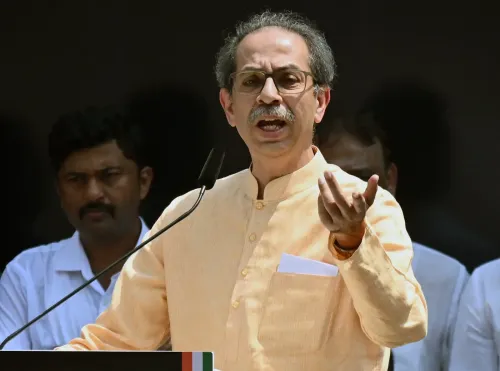
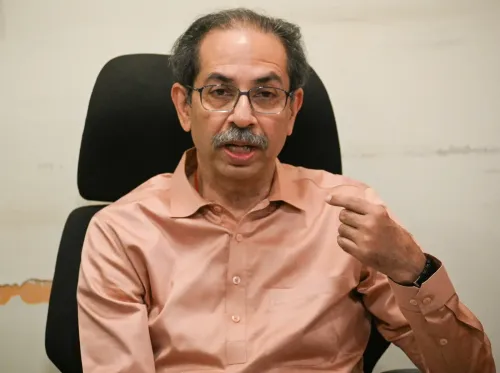
Uddhav Thackeray 's party has demanded immediate water management plans and pre-drought relief measures from the government.
Shiv Sena (UBT) on Saturday, 5 September launched a stinging attack on both the Centre and the Maharashtra state government, accusing the ruling 'double-engine' dispensation of indifference as prolonged dry spells push an estimated 90 per cent of the state towards an acute drought crisis within the next two months. The opposition party sounded the alarm through its mouthpiece Saamana, warning that the rural economy faces an unprecedented collapse if immediate relief measures are not launched.
Scale of the Crisis
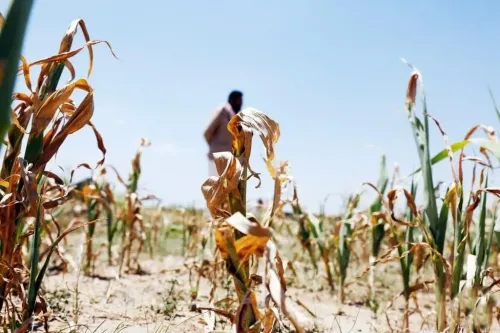
Rains have failed in 31 of Maharashtra's 36 districts, leaving standing crops scorched under extended heat. Up to 18 districts have missed a normal monsoon altogether, while large swathes of the state have endured a dry spell lasting 30 to 45 days. The Saamana editorial noted that even meteorologists reportedly underestimated the severity of the El Niño effect, which has also triggered similar dry conditions across more than 350 districts nationwide, raising alarms over impending shortages of food grains and drinking water.
How the Season Unravelled
According to the editorial, the monsoon arrived nearly 15 days late this year. A dry June gave way to heavy downpours in July, which pushed sowing back by a full month across key agricultural belts. Regions including Mumbai, Pune, Western Maharashtra, and Nashik received heavy isolated spells in July, but rainfall halted across the state from the first week of August and has not resumed since. The brief July relief had spurred crop growth — but just as crops entered their critical flowering stage, with soybean forming pods, cotton developing bolls, and maize growing ears, the water supply dried up entirely. Farmers who attempted to irrigate using accumulated July reserves from wells found those sources fully depleted.
Crops Devastated Across Vidarbha and Marathwada
The Saamana editorial highlighted that dryland farmers without irrigation infrastructure have suffered the most severe losses. Cash crops including soybean, cotton, maize, pigeon pea (tur), and turmeric have withered across lakhs of hectares. Pulse crops such as black gram (udid) and green gram (moong) are reported to be completely ruined. The traditional month of Shravan, which typically brings intermittent showers, passed without a single drop of rain in many parts — a phenomenon described as unseen in decades. Over 50 lakh hectares in Vidarbha and 48 lakh hectares in Marathwada were sown this season. Faced with withered crops, desperate farmers in several pockets have begun plowing over standing crops to prepare land for the upcoming Rabi season.
Fodder Crisis and Winter Crop Uncertainty
With early September passing without rainfall, anxiety is mounting over whether winter crops such as wheat and Bengal gram (harbhara) can even be planted. Fodder availability for cattle has simultaneously reached a critical stage, with farmers facing a severe dilemma over how to secure sorghum and maize fodder to keep livestock alive over the next seven to eight months.
Shiv Sena UBT's Demand
The Uddhav Thackeray-led Shiv Sena (UBT) has urged the government to immediately launch water management plans and pre-drought relief measures rather than, as the party alleged, operating in denial. The editorial questioned whether the 'double-engine' government — a term the ruling alliance uses to describe aligned governments at the Centre and state — genuinely cares about the unfolding agrarian calamity. With the Rabi season approaching and fodder stocks dwindling, the window for preventive intervention is narrowing rapidly.
Point of View
Not seasonal, and successive governments have consistently treated drought relief as a post-crisis measure rather than a pre-crisis investment. The more pointed question is not whether the 'double-engine' label is fair, but whether either government — state or Centre — has a credible, pre-positioned drought response protocol. The fact that farmers in Vidarbha and Marathwada are already plowing over standing crops to prepare for Rabi suggests the intervention window is closing, not opening.
NationPress
20 Oct 2026
Frequently Asked Questions
How severe is the drought threat in Maharashtra right now?
According to Shiv Sena (UBT)'s mouthpiece Saamana, nearly 90 per cent of Maharashtra could face an acute drought crisis within the next two months. Rains have failed in 31 of the state's 36 districts, with dry spells lasting 30 to 45 days, and up to 18 districts have missed a normal monsoon altogether.
What is the El Niño effect and how is it impacting Maharashtra?
El Niño is a periodic warming of Pacific Ocean surface temperatures that disrupts global monsoon patterns. The Saamana editorial noted that the El Niño effect contributed to Maharashtra's monsoon arriving 15 days late and then halting entirely from the first week of August, devastating crops at their critical flowering stage. More than 350 districts across India are reportedly experiencing similar dry conditions.
Which crops and regions have been worst affected?
Cash crops including soybean, cotton, maize, pigeon pea (tur), and turmeric have withered across lakhs of hectares, while pulse crops black gram (udid) and green gram (moong) are reported to be completely ruined. Over 50 lakh hectares in Vidarbha and 48 lakh hectares in Marathwada were sown this season and face severe losses.
What has Shiv Sena UBT demanded from the government?
The Uddhav Thackeray-led Shiv Sena (UBT) has demanded that the government immediately launch water management plans and pre-drought relief measures. The party accused the 'double-engine' dispensation — aligned governments at the Centre and in Maharashtra — of operating in denial while the rural economy faces collapse.
What is the risk to the upcoming Rabi season and livestock?
With no meaningful rainfall as of early September, there is growing uncertainty over whether winter crops like wheat and Bengal gram can be planted at all. Fodder availability for cattle has simultaneously reached a critical stage, with farmers unsure how to secure sorghum and maize fodder for livestock over the next seven to eight months.