Shiv Sena UBT: Farmers Living in 'Hell' Under MahaYuti Rule
Synopsis
Shiv Sena (UBT)'s Saamana editorial reveals a chilling reality: 1,150 farmer suicides in Marathwada in 2025, with 225 deaths in just three months. The party accuses MahaYuti of abandoning farmers while chasing electoral gains — calling Maharashtra's agrarian crisis a living hell hiding in plain sight.
Key Takeaways
1,150 farmer suicides were recorded in Marathwada, Maharashtra in 2025 , according to data cited in Shiv Sena (UBT)'s Saamana editorial.
Over 225 farmers died by suicide in Marathwada in the last three months , averaging 4 to 5 deaths per day , with 95 cases in March 2025 alone.
A total of 5,075 farmer suicides were recorded in Marathwada between 2021 and 2025 , with Beed district reporting the highest figures.
Shiv Sena (UBT) accused the MahaYuti government and PM Narendra Modi 's central government of prioritising electoral politics over agrarian reform.
The editorial criticised the absence of a statutory MSP , called crop insurance schemes farcical , and described free grain distribution as a begging bowl policy .
Despite three debt waivers in 25 years , Maharashtra farmers remain trapped in chronic debt cycles, the editorial alleged.
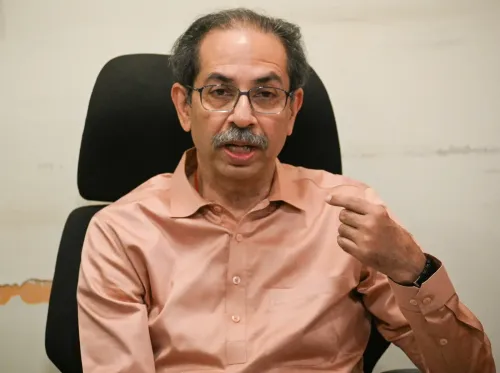
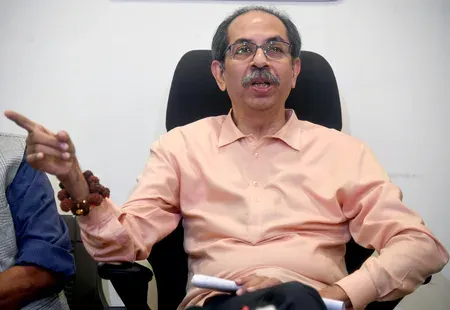
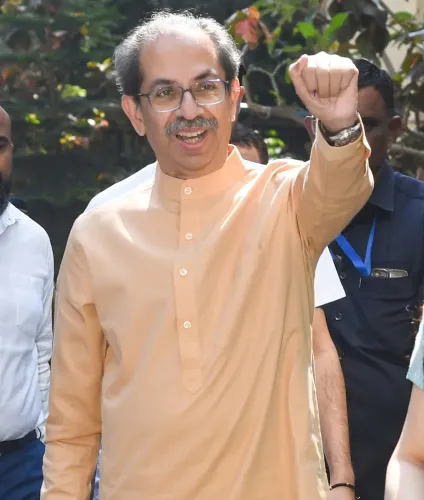
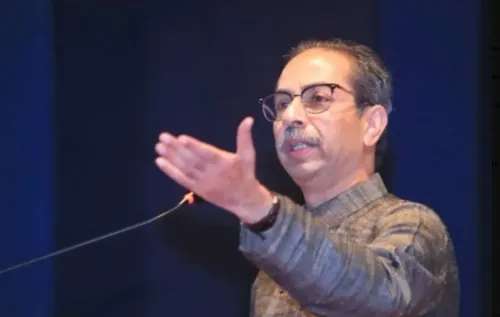
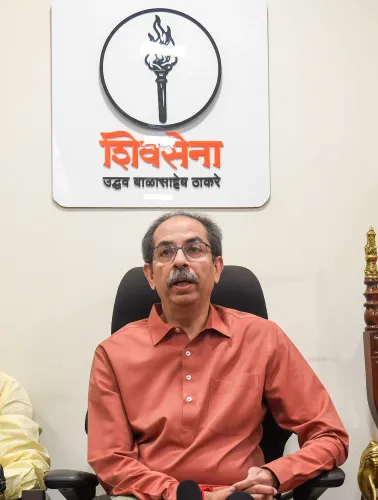
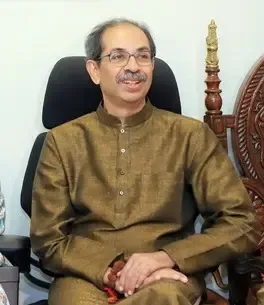
Mumbai, April 25: The Shiv Sena (UBT) launched a blistering attack on the ruling MahaYuti alliance on Saturday, accusing both the central government and Chief Minister Devendra Fadnavis-led Maharashtra government of pushing farmers and farm labourers into a state of living hell. The opposition party, led by Uddhav Thackeray, published a sharp editorial in its official mouthpiece Saamana, alleging systemic neglect of the agricultural sector despite Prime Minister Narendra Modi's repeated claims that farmers are the backbone of the nation.
Marathwada Farmer Suicides: A Region in Crisis
The editorial placed Marathwada at the centre of what it called a full-blown humanitarian catastrophe. According to data cited in the editorial, over 225 farmers died by suicide in Marathwada in just the last three months, with approximately 95 cases recorded in March 2025 alone — averaging four to five deaths every single day.
The cumulative toll is staggering: 1,150 farmer suicides in Marathwada in 2025 so far, and a total of 5,075 suicides between 2021 and 2025. Beed district has reported the highest number of cases in the region. The editorial warned that if deaths caused by mental trauma and despair were factored in alongside official government statistics, the region would resemble a cemetery.
This comes amid a long-standing pattern of agrarian distress in Vidarbha and Marathwada — two regions that have historically accounted for the bulk of Maharashtra's farm suicide statistics, even as successive governments have announced relief packages and debt waivers.
Systemic Failures Driving Agrarian Distress
The Saamana editorial identified multiple structural failures that it argued have kept farmers trapped in a cycle of poverty and debt. These include lack of adequate irrigation infrastructure, repeated crop damage from unseasonal rains and hailstorms, and the persistent absence of a legally guaranteed Minimum Support Price (MSP) — a demand that has been at the core of farmer protests across the country.
Despite three debt-waiver announcements over the past 25 years, the editorial argued that farmers continue to sink deeper into debt, suggesting that one-time relief measures are no substitute for structural reform. It also described existing crop insurance schemes as farcical, alleging they fail to deliver timely or adequate compensation to distressed cultivators.
The editorial further criticised free grain distribution schemes covering nearly 100 million beneficiaries, calling them begging bowl policies that address hunger superficially without creating sustainable rural livelihoods or economic dignity for farmers.
Political Priorities Over Agrarian Lives, Says UBT
The Thackeray camp drew a pointed contrast between the government's political activities and its response to the farm crisis. It alleged that while Prime Minister Modi was campaigning in West Bengal — promising to turn hell into heaven — the farming communities of Maharashtra continued to suffer in silence.
The editorial also took aim at the government's focus on the Delimitation Bill and the expansion of Lok Sabha seats, arguing that these political exercises are being prioritised over urgent agrarian reforms. It accused the ruling establishment of dividing farmers along caste and religious lines to maintain political dominance, rather than uniting them around common economic grievances.
Notably, the MahaYuti government — a coalition of the BJP, Shiv Sena (Shinde faction), and NCP (Ajit Pawar faction) — came to power in Maharashtra after the November 2024 assembly elections, riding on a wave of pre-poll announcements including the Ladki Bahin Yojana. Critics argue that welfare schemes targeting women voters were given precedence over long-term agricultural policy.
The Contradiction at the Heart of India's Farm Policy
The Shiv Sena (UBT) editorial exposes a fundamental contradiction in India's agricultural narrative: a government that brands farmers as the backbone of the nation in its political messaging, while presiding over a policy environment where MSP remains non-statutory, irrigation coverage is incomplete, and insurance payouts are disputed.
The editorial alleged that farmers' protests — including those against what it termed black laws — are being labelled as terrorist movements, and that their produce is being bargained away in international trade negotiations without adequate protection for domestic growers. These are serious charges that reflect the deep mistrust between the farming community and the current political establishment.
The Saamana editorial concluded with a stark warning: until the survival of the farmer transitions from a political slogan to a genuine governance priority, no policy announcement or electoral promise can be considered a success. For the farmers of Maharashtra, the present reality is nothing less than hell.
With the kharif sowing season approaching and monsoon forecasts uncertain, all eyes will be on whether the Fadnavis government announces any meaningful structural relief for the farming community in the coming weeks — or whether the cycle of distress continues unchecked.
Point of View
075 deaths between 2021 and 2025 — is not a statistic; it is a governance indictment. What makes this moment particularly damning is the contrast: a government that markets itself on farmer welfare while simultaneously leaving MSP non-statutory, crop insurance dysfunctional, and rural debt unresolved. The Shiv Sena UBT's editorial is politically motivated, but the numbers it cites are rooted in documented reality. The deeper irony is that the same political class that campaigns on farmer dignity is now accused of branding farmer protests as terrorism — a contradiction that no amount of welfare scheme branding can paper over.
NationPress
30 Sept 2026
Frequently Asked Questions
How many farmer suicides were recorded in Marathwada in 2025?
According to data cited in the Shiv Sena (UBT)'s Saamana editorial, 1,150 farmers died by suicide in Marathwada in 2025. Over 225 of these deaths occurred in just the last three months, with around 95 cases in March alone.
What did Shiv Sena UBT say about Maharashtra's farm crisis?
Shiv Sena (UBT) published an editorial in Saamana accusing the MahaYuti government and the central government of abandoning farmers. The party alleged systemic failures including lack of MSP, inadequate irrigation, farcical crop insurance, and political prioritisation over agrarian welfare.
Which district in Marathwada has the highest farmer suicides?
According to the Saamana editorial, Beed district has reported the highest number of farmer suicides in the Marathwada region. The total suicide count across Marathwada reached 5,075 between 2021 and 2025.
What is MahaYuti and who leads the Maharashtra government?
MahaYuti is the ruling coalition in Maharashtra comprising the BJP, Shiv Sena (Shinde faction), and NCP (Ajit Pawar faction). Chief Minister Devendra Fadnavis leads the government after the alliance's victory in the November 2024 Maharashtra assembly elections.
Why are farmers demanding MSP and what is the government's position?
Farmers have long demanded a legally guaranteed Minimum Support Price (MSP) to protect them from market volatility and exploitation. The central government has not made MSP statutory, which critics argue leaves farmers vulnerable to price crashes and debt cycles.