Maharashtra drought: Opposition slams Mahayuti govt over 265-taluka relief gap
Synopsis
Maharashtra's opposition is not just criticising a drought relief package — it is pointing to a pattern. Congress demands ₹1 lakh per hectare with no landholding cap; NCP (SP) says the trigger came three weeks too late; Shiv Sena (UBT) is on the ground in Marathwada where soybean and pigeon pea crops have withered. The Mahayuti government compared the drought to the 1972 famine yet offered fee waivers of ₹200.
Key Takeaways
Drought declared across 265 talukas in Maharashtra ; opposition calls the government's relief GR 'dry as dust.' Congress leader Vijay Wadettiwar demands ₹1 lakh per hectare compensation with no landholding cap and inclusion of Bramhapuri tehsil in the drought list.
NCP (SP) MLA Rohit Pawar says the drought trigger should have been applied three weeks earlier and demands ₹50,000 per hectare for farmers and ₹25,000 for farm labourers.
Shiv Sena (UBT) leader Aaditya Thackeray visited Marathwada villages where soybean and pigeon pea crops have withered due to water scarcity.
Government's relief package reportedly limited to minor waivers — farm tax of ₹200 and exam fees of ₹500–₹1,000 — and loan restructuring rather than full waivers.
Panchnamas (crop loss surveys) delayed until 5 October ; opposition accuses administration of deliberate stalling.
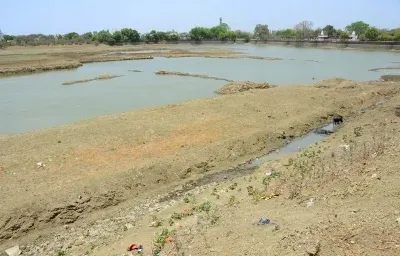
Opposition parties — Congress, Shiv Sena (UBT), and NCP (SP) — on Saturday, 26 September 2026, launched a coordinated attack on the Bharatiya Janata Party (BJP)-led Mahayuti government over its drought relief measures, accusing it of betraying the farming community even as drought has been officially declared across 265 talukas of Maharashtra. The opposition described the government's relief announcement as 'dry as dust' — offering paperwork where farmers needed immediate financial support.
Congress Demands ₹1 Lakh Per Hectare, No Cap
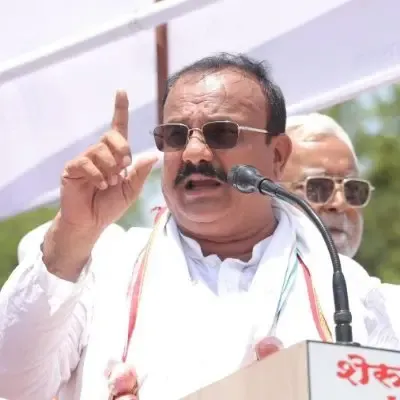
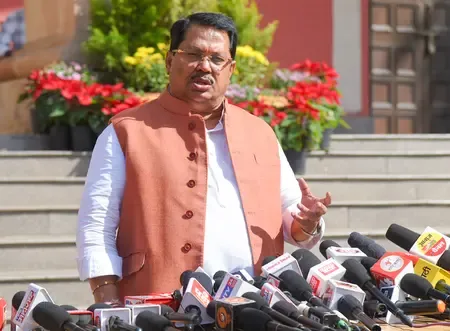
Congress Legislature Party leader Vijay Wadettiwar termed the state government's Government Resolution (GR) declaring drought a 'sheer betrayal' of distressed farmers reeling from massive crop failures caused by deficit rainfall. He accused Chief Minister Devendra Fadnavis and state ministers of making tall claims during drought assessment tours while delivering nothing substantive on paper.
Wadettiwar pointed to a glaring contradiction: Fadnavis had personally visited fields along the Samruddhi Expressway, publicly acknowledged severe crop damage, and promised blanket relief — yet the GR that followed merely repeated old, inadequate provisions. He demanded immediate compensation of ₹1 lakh per hectare transferred directly into farmers' bank accounts, based on actual crop damage, and a complete scrapping of the 2.5-hectare eligibility limit. He noted that during election periods, the same government had extended relief eligibility up to 3 hectares.
Wadettiwar also demanded the inclusion of Bramhapuri tehsil in Chandrapur district in the drought-affected list, citing severe rainfall shortfall there, and called for an unconditional waiver of all outstanding crop loans rather than the government's proposed loan restructuring, which he argued would merely defer and deepen farmers' debt burden.
He questioned why panchnamas (crop loss assessment surveys) were being delayed until October 5, asking why relief was being stalled when district administration machinery was fully operational. He further criticised the Cooperation Minister for suggesting that aid disbursement would take more time, calling it a deliberate stalling tactic.
'This government suffers from a drought of empathy. Announcing a drought on paper while burying farmers under bureaucratic paperwork and delayed surveys is meaningless. The Mahayuti government must act immediately, waive crop loans, and ensure no affected farmer is left behind,' Wadettiwar said.
NCP (SP)'s Rohit Pawar: Relief Triggered Three Weeks Too Late
NCP (SP) MLA Rohit Pawar reinforced the criticism, arguing that the first drought trigger should have been applied in the 265 talukas at least three weeks earlier than it was. He drew a sharp contrast between the government's rhetoric and its relief package: while Chief Minister Fadnavis had described the drought as more severe than the 1972 famine, the measures announced amounted to waiving a farm tax of ₹200 and exam fees of ₹500–₹1,000 — which Pawar called 'meaningless.'
'If you are sensitive, Chief Minister sir, don't waive exam fees, waive educational fees; don't waive farm tax, waive crop loans; give farmers ₹50,000 per hectare and farm labourers ₹25,000 in aid,' Pawar demanded. He warned that if substantial immediate aid was not announced, a mass movement would be mobilised across Maharashtra alongside farmers and farm labourers.
Pawar also alleged that promises made the previous year — including ₹3.5 lakh per hectare for land losses and ₹17,000 per hectare in crop insurance — had 'evaporated like a soap bubble,' indicating a pattern of unfulfilled commitments to the agrarian community.
Aaditya Thackeray Visits Marathwada Villages
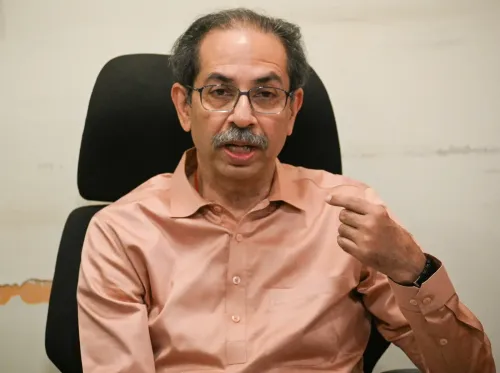
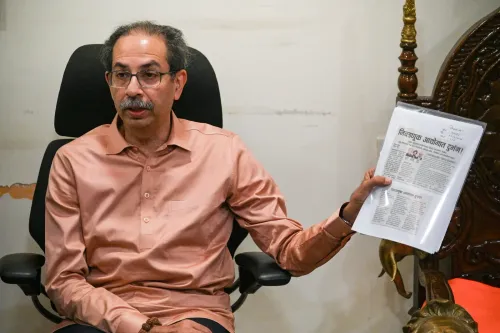
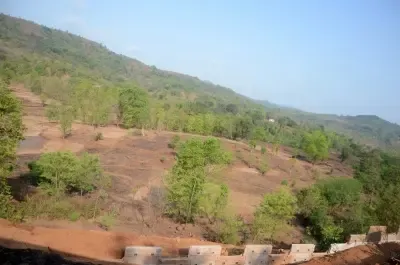
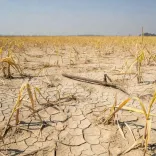
Shiv Sena (UBT) leader Aaditya Thackeray, visiting drought-hit villages in Marathwada, reported that major crops including soybean and pigeon pea had withered due to acute water scarcity. He said farmers were 'breaking down in sobs' upon seeing their standing crops die in the fields.
'Seeing the crop dying due to lack of water, farmers are breaking down in sobs. In this difficult situation, we stand with the provider of food,' Thackeray said. He stressed that merely declaring a 75% drought on paper would not suffice and that farmers needed tangible, on-ground assistance.
What the Government's GR Offered — and What It Did Not
The Mahayuti government's GR formally acknowledged drought conditions across 265 talukas — a significant geographic spread — but critics argue the relief architecture it lays out mirrors earlier rounds that underdelivered. The relief package reportedly includes minor fee waivers rather than direct income support, and loan restructuring rather than outright waivers. The opposition's central demand — unconditional per-hectare cash compensation with no landholding ceiling — remains unaddressed in the document.
This is not the first time Maharashtra's drought relief framework has drawn criticism: the state's agrarian belt, particularly Vidarbha and Marathwada, has faced recurring cycles of rainfall deficit, crop failure, and contested relief disbursement. Whether the Mahayuti government revises the GR under mounting political pressure will be closely watched in the coming weeks.
Point of View
But the government's core problem is a credibility deficit of its own making: Chief Minister Fadnavis visited drought-hit fields, acknowledged catastrophic damage, and promised blanket relief — then issued a GR that critics say changed nothing. That gap between field-level rhetoric and bureaucratic output is politically damaging and substantively unfair to farmers who planned their next steps around official assurances. The demand for direct per-hectare cash transfers without landholding ceilings is not radical — it simply reflects how previous, election-adjacent relief rounds were structured. The harder question is whether Maharashtra's relief machinery, with its October 5 panchnama timeline, can move fast enough to prevent distress sales and debt spirals before the rabi sowing window closes. History in Vidarbha and Marathwada suggests it usually cannot.
NationPress
26 Sept 2026
Frequently Asked Questions
What is the Maharashtra government's drought declaration for 265 talukas?
The Mahayuti government issued a Government Resolution (GR) officially declaring drought conditions across 265 talukas of Maharashtra. Critics, including Congress, NCP (SP), and Shiv Sena (UBT), argue the GR offers inadequate relief — limited to minor fee waivers and loan restructuring — rather than direct financial assistance to affected farmers.
What compensation is the opposition demanding for Maharashtra farmers?
Congress leader Vijay Wadettiwar is demanding ₹1 lakh per hectare transferred directly into farmers' bank accounts, with no cap on landholding size, and an unconditional waiver of all outstanding crop loans. NCP (SP) MLA Rohit Pawar has separately demanded ₹50,000 per hectare for farmers and ₹25,000 for farm labourers.
Why is the opposition criticising the delay in drought relief surveys?
Opposition leaders have questioned why panchnamas — formal crop loss assessment surveys — have been scheduled only from October 5 onward, when full administrative machinery is in place and widespread damage is already evident. They argue the delay amounts to stalling that pushes actual disbursement further into the future, worsening farmers' distress.
Which areas are specifically mentioned as needing urgent drought relief inclusion?
Congress leader Wadettiwar has specifically demanded that Bramhapuri tehsil in Chandrapur district be added to the official drought-affected list, citing severe rainfall shortfall. Shiv Sena (UBT)'s Aaditya Thackeray visited villages in the Marathwada region, where soybean and pigeon pea crops have reportedly withered.
How does this drought compare to previous Maharashtra droughts?
Chief Minister Devendra Fadnavis has reportedly described the current drought as more severe than the 1972 famine, considered one of Maharashtra's worst. However, opposition leaders allege that despite this framing, the relief announced mirrors previous inadequate packages, and that promises made last year — including ₹3.5 lakh per hectare for land losses — were never delivered.