Maharashtra drought: Bawankule lauds Fadnavis, 265 talukas to get relief
Synopsis
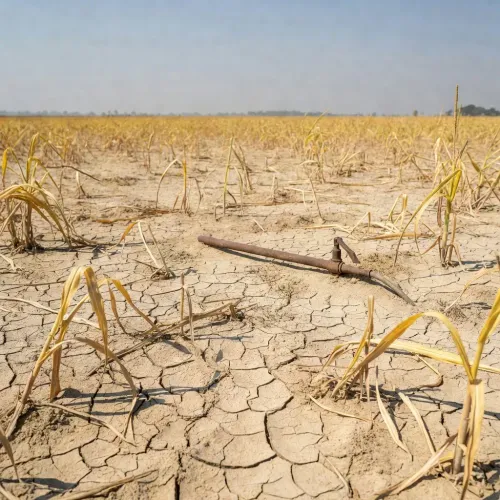
Maharashtra's drought crisis has deepened to cover 265 talukas — and with the list set to grow, Revenue Minister Bawankule is promising weekly oversight, field inspections, a cement-road construction freeze, and a push for NDRF funds from the Centre. The real test: whether the relief GR translates into rupees in distressed farmers' hands before the situation worsens.
Key Takeaways
265 talukas across Maharashtra are designated drought-affected as of 26 September 2026 , with the list expected to expand.
Relief measures include land revenue waivers , agricultural loan restructuring , electricity bill waivers for farm pumps, and fodder camps .
Cabinet Sub-Committee to hold weekly reviews every Tuesday ; Minister Bawankule will personally inspect Yavatmal, Wardha, Hingoli , and Nanded .
All cement road construction halted in Nagpur and Amravati to prioritise water conservation.
Crop damage assessments ( panchanamas ) must be conducted in the physical presence of farmers; strict action ordered against illegal moneylenders .
State is seeking maximum funding from the Centre via the National Disaster Response Fund (NDRF) .
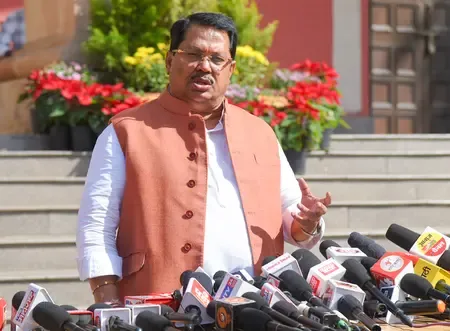
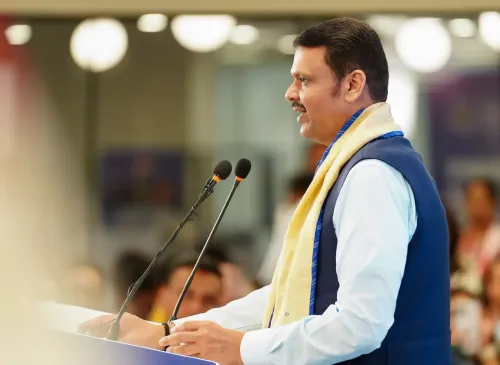
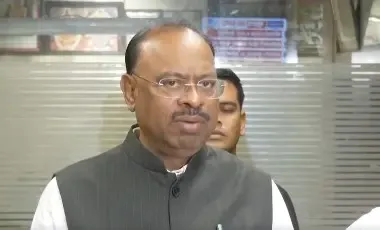
Maharashtra Revenue Minister and Cabinet Sub-Committee Chairperson Chandrashekhar Bawankule on Saturday, 26 September 2026, publicly commended Chief Minister Devendra Fadnavis for personally intervening in a severe drought crisis gripping 265 talukas across Maharashtra, assuring that the state's farming community would not be abandoned. The remarks came at a press conference outlining the government's multi-pronged relief framework.
What the Relief Package Covers
A Government Resolution (GR) issued by the state details the contours of the relief effort. The measures include a complete waiver of land revenue dues, restructuring of agricultural crop loans, and a full waiver of electricity bills for agricultural pump connections. Additionally, fee waivers for students belonging to drought-affected families, establishment of fodder camps, and the immediate execution of water conservation projects are part of the package.
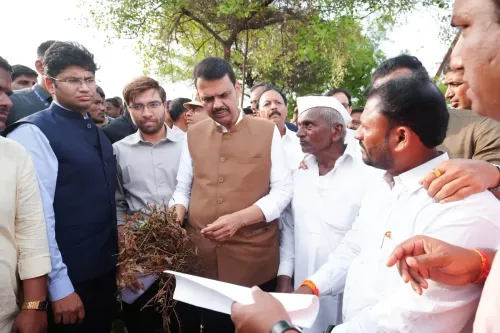
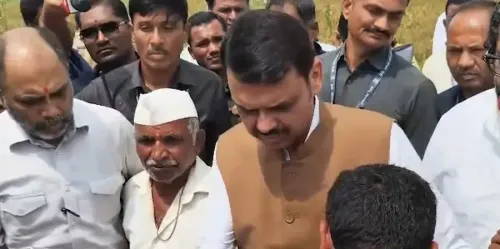
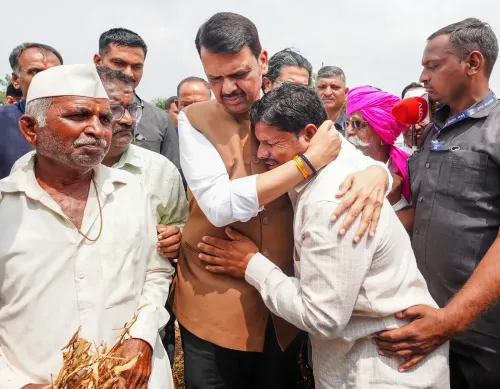
Minister Bawankule stressed that implementation has already commenced, with District Collectors tasked with drinking water planning at the local level. He noted that Chief Minister Fadnavis is personally touring drought-hit regions, listening to farmers' grievances on-site, and converting those commitments into formal administrative orders.
Weekly Reviews and Field Inspections Planned
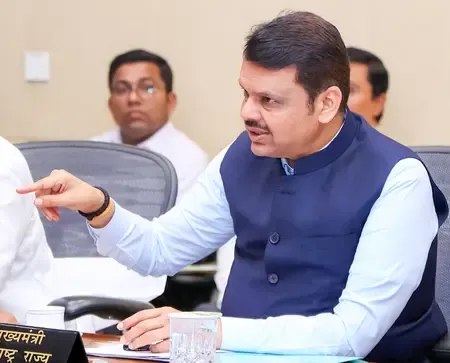
The Cabinet Sub-Committee chaired by Bawankule will hold weekly review meetings every Tuesday to track ground-level execution of the relief measures. The minister himself announced upcoming inspection tours to Yavatmal, Wardha, Hingoli, and Nanded — districts among the hardest hit.
In a significant infrastructure policy directive, Bawankule announced he has ordered a halt to all cement road construction in Nagpur and Amravati, arguing that water conservation must take precedence over concrete development. He emphasised the need to strengthen local lakes and curb excessive water usage in swimming pools and large-scale commercial construction projects.
Strict Action Against Exploitation and Negligence
The minister issued a firm directive mandating that crop damage assessments — known as panchanamas — be conducted transparently in the physical presence of the affected farmers to prevent manipulation. Authorities have also been directed to take strict action against illegal moneylenders attempting to exploit farmers in financial distress — a practice that tends to surge during drought conditions.
Bawankule warned against any administrative negligence in executing the relief orders, signalling zero tolerance for lapses at the district and taluka level.
List of Affected Talukas May Expand
The minister clarified that the current count of 265 drought-affected talukas is preliminary, and that additional talukas will be added as field triggers and ground reports are compiled. The state government is simultaneously pursuing maximum financial assistance from the Centre through the National Disaster Response Fund (NDRF) to support comprehensive rural rehabilitation.
Government Invites Opposition to the Table
Responding to criticism from the opposition regarding the government's drought management, Bawankule dismissed the claims as misleading. In a conciliatory move, he invited opposition leaders to participate in Cabinet Sub-Committee meetings directly or through SMS communication, stating that protocol would not be a barrier to collaborative dialogue on a crisis affecting millions of farmers.
With the drought list expected to grow and NDRF funds still being sought, the coming weeks will test whether the state's administrative machinery can translate these policy commitments into tangible relief on the ground.
Point of View
Electricity waivers, fodder camps — but Maharashtra has a long history of drought announcements that lose momentum at the district level. The decision to freeze cement road construction in Nagpur and Amravati is a striking administrative signal, but it risks being read as optics without a parallel enforcement mechanism. More telling will be the NDRF negotiations with the Centre: how much the state actually secures, and how quickly it flows to farmers, will define whether this intervention is substantively different from past drought cycles.
NationPress
26 Sept 2026
Frequently Asked Questions
How many talukas in Maharashtra are affected by the drought in 2026?
As of 26 September 2026, 265 talukas across Maharashtra have been officially designated as drought-affected. Revenue Minister Bawankule has clarified this is a preliminary list, with more talukas expected to be added as field assessments progress.
What relief measures has the Maharashtra government announced for drought-hit farmers?
The state's relief package includes a complete waiver of land revenue dues, restructuring of agricultural crop loans, waiver of electricity bills for farm pumps, fee waivers for students from affected families, establishment of fodder camps, and immediate water conservation projects. Implementation has already begun, with District Collectors overseeing drinking water planning.
Why has cement road construction been halted in Nagpur and Amravati?
Revenue Minister Bawankule ordered a freeze on cement road construction in Nagpur and Amravati to prioritise water conservation during the drought emergency. He emphasised that strengthening local lakes and reducing water usage in commercial construction must take precedence over infrastructure projects during the crisis.
What is the role of the National Disaster Response Fund (NDRF) in Maharashtra's drought response?
The Maharashtra government is actively pursuing maximum financial assistance from the Centre through the NDRF to fund comprehensive rural rehabilitation across drought-affected talukas. The quantum of NDRF support will depend on final ground assessments and Centre-state negotiations.
How will the Maharashtra government ensure fair crop damage assessments for farmers?
Minister Bawankule has mandated that panchanamas — official crop damage assessments — must be conducted in the physical presence of the affected farmers to prevent manipulation. Authorities have also been directed to act strictly against illegal moneylenders exploiting distressed farmers.