Maharashtra orders field verification in 18 more talukas amid Kharif 2026 drought
Synopsis
With drought already declared in 265 talukas, Maharashtra is now sending surveyors into 18 more — simultaneously hosting a Central inspection team — in a coordinated push to ensure relief reaches farmers accurately. The findings could determine how much NDRF assistance the state claims, making this a critical week for millions of Kharif-dependent farmers across Vidarbha, Marathwada, and northern Maharashtra.
Key Takeaways
The Maharashtra government approved field verification in 18 additional talukas across 8 districts on 9 October 2026 .
Drought was already declared in 265 talukas on 25 September 2026 under Trigger-1 criteria, with 12 relief measures announced.
Surveyors will cover 20 per cent of five major crops to cross-check satellite and computational data with on-ground conditions.
Revenue Minister Chandrashekhar Bawankule heads the Cabinet Sub-Committee on drought overseeing the exercise.
An Inter-Ministerial Central Team led by Muktanand Agrawal is conducting a parallel assessment of crop losses from 8–11 October 2026 .
Chief Secretary Rajesh Agrawal flagged risks of water scarcity, labour migration, and farmer distress and suicides at a high-level meeting.
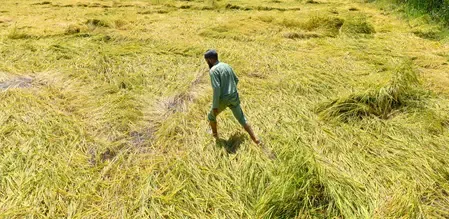
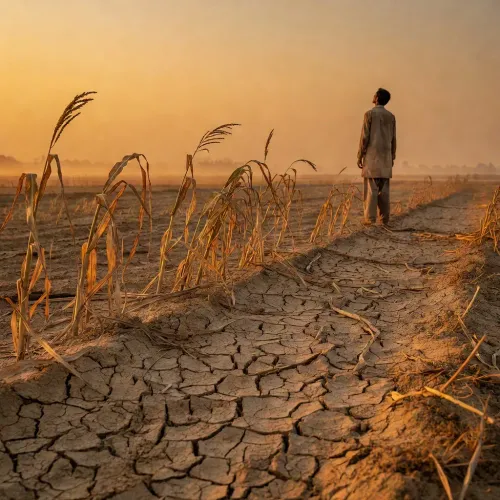
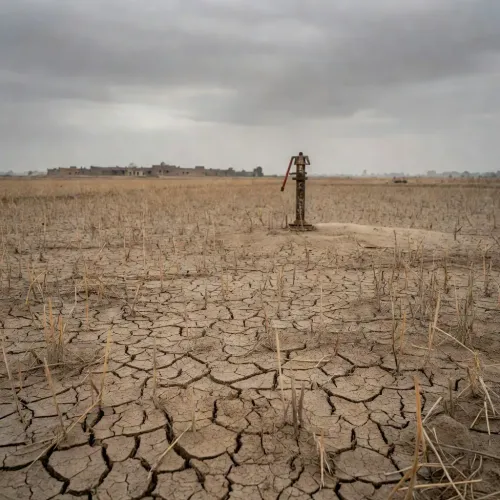
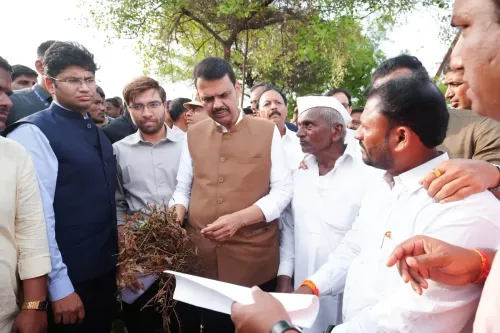
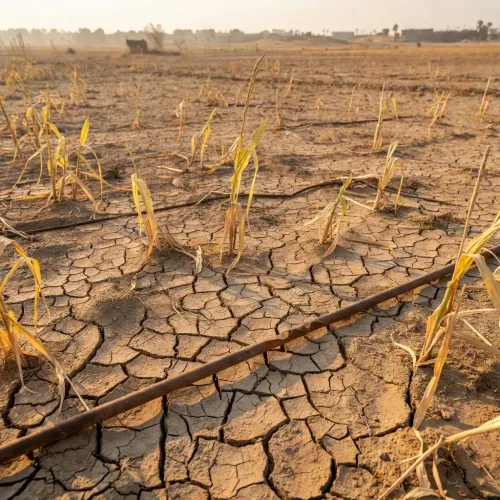
The Maharashtra government on Friday, 9 October 2026, approved ground-truthing — direct field verification — across an additional 18 talukas in eight districts to obtain a sharper, on-ground assessment of the state's ongoing drought severity. The move follows an earlier declaration of drought in 265 talukas and coincides with a visiting Inter-Ministerial Central Team conducting its own inspection of crop losses across the state.
What the Field Verification Involves
Under the initiative, surveyors will cover 20 per cent of the five major crops grown in each of the 18 talukas, cross-checking satellite imagery and computational data against actual ground conditions. The exercise will be conducted in accordance with the Manual for Drought Management, 2016, ensuring a standardised methodology.
The Relief and Rehabilitation Department has issued a formal Government Resolution (GR) authorising the inspections. Findings from remote-sensing maps and digital datasets will be validated through direct field visits to produce what officials describe as a more objective picture of drought intensity.
Districts and Talukas Covered
The 18 talukas span eight districts: Nanded (Mudkhed, Mukhed); Chandrapur (Jivati, Brahmapuri, Ballarpur); Gondia (Amgaon, Deori, Salekasa, Gondia); Wardha (Karanja); Bhandara (Mohadi, Tumsar); Nashik (Trimbakeshwar, Chandwad, Niphad); Satara (Patan); and Sangli (Shirala, Walwa). These talukas were identified after the Cabinet Sub-Committee meeting on 29 September 2026, which reviewed rainfall deficits recorded during the June–September 2026 period.
How the Drought Declaration Unfolded
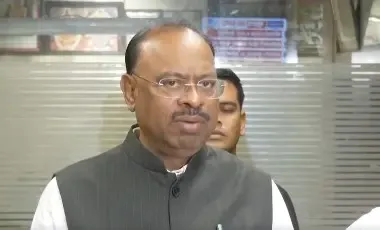
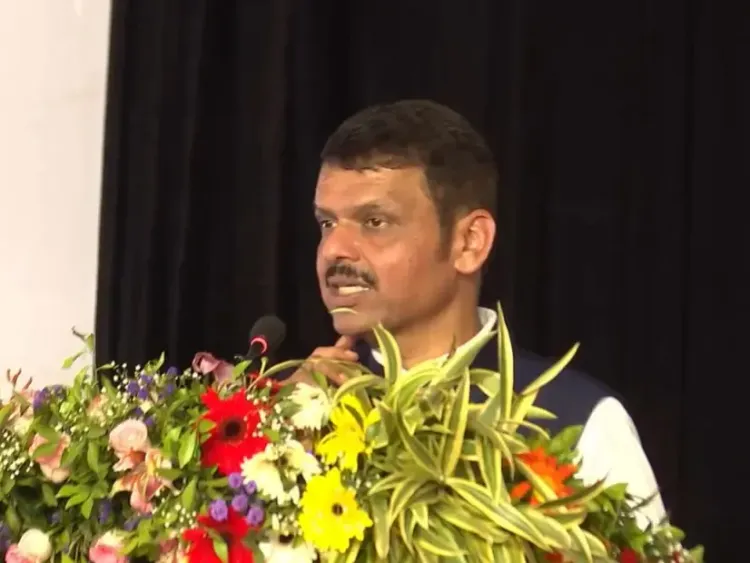
Drought was formally declared across 265 talukas on 25 September 2026 via GR, based on Trigger-1 criteria derived from Kharif season 2026 conditions. That declaration introduced 12 relief measures and concessions for affected farmers. Revenue Minister Chandrashekhar Bawankule, who chairs the Cabinet Sub-Committee on drought, said the additional field verification was essential to ensure aid reaches farmers accurately and without gaps.
'This crucial step will help accurately assess drought conditions and provide necessary aid and concessions to farmers,' Bawankule said.
Central Team's Concurrent Assessment
The state government's decision coincides with the arrival of an Inter-Ministerial Central Team from the Union Government, which reached Maharashtra on 8 October 2026 for a four-day assessment running until 11 October. The team, led by Muktanand Agrawal, Joint Secretary in the Union Ministry of Agriculture and Farmers Welfare, includes officers from the ministries of Water Resources, Rural Development, Drinking Water Supply, Food and Public Distribution, Animal Husbandry, Finance, and NITI Aayog.
Following the team's arrival in Mumbai, Chief Secretary Rajesh Agrawal chaired a high-level meeting that flagged rainfall deficits across parts of Maharashtra, warning of potential water scarcity, a possible need for water tankers, labour migration, and farmer distress including suicides.
What Comes Next
The outcomes of the ground-truthing exercise will feed into the government's review of the current drought situation and inform further relief decisions. With a Central team on the ground simultaneously, the findings could also shape the quantum of assistance Maharashtra seeks from the National Disaster Relief Fund (NDRF). For millions of Kharif-dependent farmers across Vidarbha, Marathwada, and northern Maharashtra, the accuracy of these assessments will determine how swiftly and adequately relief flows through.
Point of View
Meaning any under-survey risks leaving vulnerable farmers, particularly in Vidarbha and Marathwada, short-changed. That Chief Secretary Agrawal specifically flagged farmer suicides at an official meeting with the Central team signals the administration is treating this as a crisis of livelihoods, not just crop yields. Whether the 20 per cent crop survey methodology is granular enough to capture hyper-local variation — a persistent criticism of past drought assessments — remains the test.
NationPress
9 Oct 2026
Frequently Asked Questions
Why is Maharashtra conducting field verification in 18 additional talukas?
Maharashtra is conducting ground-truthing in 18 more talukas to cross-verify satellite imagery and digital data with actual on-ground crop conditions during the Kharif 2026 season. The exercise will help the government assess drought severity more accurately and ensure that relief and concessions reach affected farmers appropriately.
Which districts and talukas are covered in the new field verification?
The 18 talukas span eight districts: Nanded (Mudkhed, Mukhed), Chandrapur (Jivati, Brahmapuri, Ballarpur), Gondia (Amgaon, Deori, Salekasa, Gondia), Wardha (Karanja), Bhandara (Mohadi, Tumsar), Nashik (Trimbakeshwar, Chandwad, Niphad), Satara (Patan), and Sangli (Shirala, Walwa).
How many talukas has Maharashtra already declared drought-affected in 2026?
Drought was formally declared in 265 talukas across Maharashtra on 25 September 2026, based on Kharif 2026 conditions and Trigger-1 criteria. That declaration introduced 12 relief measures and concessions for affected farmers.
What is the Central team visiting Maharashtra for?
An Inter-Ministerial Central Team from the Union Government arrived in Maharashtra on 8 October 2026 for a four-day on-ground assessment of drought conditions and Kharif crop losses. The team, led by Muktanand Agrawal of the Union Ministry of Agriculture and Farmers Welfare, will review rainfall levels, crop damage, drinking water availability, and the fodder situation for livestock until 11 October.
What relief has been announced for drought-affected farmers in Maharashtra?
Following the drought declaration in 265 talukas on 25 September 2026, the state government introduced 12 different relief measures and concessions under Trigger-1 criteria. Further decisions are expected once the field verification exercise and the Central team's assessment are completed.