Maharashtra drought 2026: 6 more talukas added, tally hits 310
Synopsis
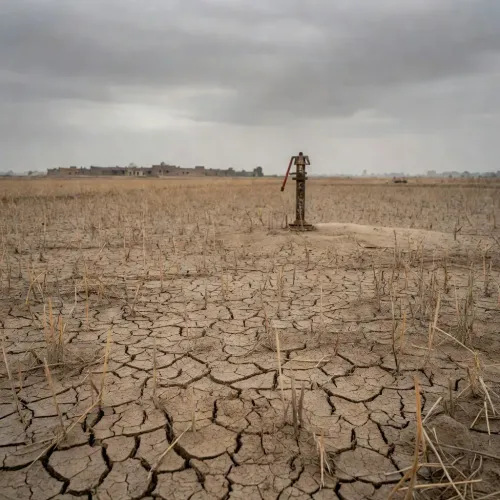
Maharashtra's drought list has quietly ballooned to 310 talukas — but the deeper alarm is in the dams. The state has lost 386 TMC of live storage in a single year, and Marathwada's reservoirs are down to just 36 per cent of capacity. With summer still months away, the administration is racing to get relief to affected farmers before the crisis deepens.
Key Takeaways
Maharashtra Relief Minister Makarand Jadhav-Patil added six talukas to the drought list on 19 November 2026 , taking the total to 310 talukas for the Kharif 2026 season.
Newly added talukas: Dindori (Nashik), Wada and Vikramgad (Palghar), Chiplun (Ratnagiri), Hatkanangale and Gadhinglaj (Kolhapur).
Relief measures in effect include land revenue exemptions, crop loan restructuring, power bill concessions, exam fee waivers, and water tanker deployment.
Maharashtra's dam storage has fallen to 923.60 TMC (64%) as on 17 November 2026 , down from 1,309.93 TMC (90%) a year earlier — a loss of 386.33 TMC .
Chhatrapati Sambhajinagar (Marathwada) is worst hit, with reservoir storage collapsing from 90% to just 36% in one year.
Financial assistance for crop losses in the six new talukas will be notified through a separate GR after administrative procedures are completed.
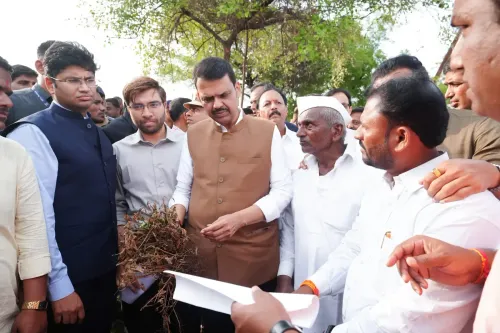
Maharashtra Relief and Rehabilitation Minister Makarand Jadhav-Patil on Thursday, 19 November 2026, announced that six additional talukas have been added to the state's drought-affected list for the Kharif 2026 season, pushing the total count to 310 talukas. A Government Resolution (GR) formalising the decision has been issued, triggering an immediate package of relief measures across the newly included areas.
Newly Added Talukas
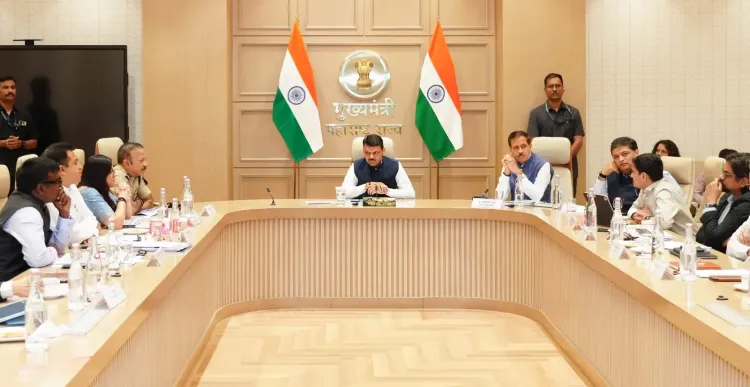
The six talukas incorporated in the latest notification are Dindori (Nashik district), Wada and Vikramgad (Palghar district), Chiplun (Ratnagiri district), and Hatkanangale and Gadhinglaj (Kolhapur district). The state had earlier declared 304 talukas drought-hit based on rainfall deficit and other parameters during the 2026 Kharif season. Following representations from affected regions seeking inclusion, Chief Minister Devendra Fadnavis had directed the administration at a recent Cabinet meeting to conduct a 20 per cent sample survey of five major crops and carry out ground-level field verification in line with Central government norms. The addition of these six talukas was based on subsequent reports submitted by the respective District Collectors.
Relief Measures Now in Effect
With the GR in place, a comprehensive drought relief package has come into force across all newly included talukas. The government has announced exemptions in land revenue, restructuring of crop loans, and a stay on recovery of agriculture-related loans. Agricultural pumps up to 7.5 horsepower (HP) already enjoy a full power bill waiver; pumps exceeding 7.5 HP in these talukas will receive concessions on current electricity bills. Power connections to agricultural pumps in scarcity-declared villages will not be disconnected.
Minister Jadhav-Patil also confirmed examination fee waivers for school and college students in the affected areas, along with relaxed norms under the Viksit Bharat – Guarantee for Rozgar and Ajeevika Mission (Gramin) scheme to maximise rural employment creation. Water tankers will be deployed for drinking water wherever necessary, with focused attention on fodder supply for livestock, uninterrupted foodgrain distribution for farmers and agricultural labourers, and initiation of water conservation works.
The minister clarified that financial assistance for crop losses in these six talukas will be announced through a separate GR once prescribed administrative procedures are completed. Administrative departments have been directed to make the necessary funds available.
Maharashtra Dam Storage Paints a Worrying Picture
The scale of the crisis is underlined by dam storage data presented by the state Water Resources Department to the Cabinet. As on 17 November 2026, Maharashtra's 3,042 dams collectively held 923.60 TMC of live storage — just 64 per cent of capacity. At the same date in 2025, storage stood at 1,309.93 TMC (90 per cent). In a single year, the state has lost 386.33 TMC of live storage — a fall of 26 percentage points.
The Chhatrapati Sambhajinagar division, covering Marathwada, has seen the steepest collapse — from 90 per cent last year to just 36 per cent now. Amravati (52%) and Nagpur (56%) are also well below year-ago levels. Konkan (81%), Pune (75%), and Nashik (74%) remain comparatively better, though all six divisions trail last year's figures. For Mumbai and Thane municipal corporations, water supply stands at 84 per cent, down from 95 per cent. Modak Sagar Dam is a major concern at 46 per cent, a drop of 35 percentage points, while Upper Vaitarna remains the strongest reservoir at 94 per cent.
What Comes Next
The government has yet to announce a specific financial assistance quantum for crop losses in the six newly added talukas, with that notification expected through a subsequent GR. As reservoir levels in Marathwada and Vidarbha remain critically low, pressure will mount on the administration for accelerated disbursement timelines and expanded tanker deployment ahead of the summer months.
Point of View
Before the full dry season sets in, should be a five-alarm signal. The government's response — tankers, loan stays, exam waivers — addresses immediate symptoms, but the state has yet to articulate a medium-term water security plan commensurate with the scale of the deficit. The fact that crop loss financial assistance still awaits a separate GR suggests the relief machinery is moving at a pace that may not match the urgency on the ground.
NationPress
19 Nov 2026
Frequently Asked Questions
How many talukas are drought-affected in Maharashtra in 2026?
As of 19 November 2026, a total of 310 talukas in Maharashtra have been declared drought-affected for the Kharif 2026 season. The government had earlier declared 304 talukas, and six more were added following District Collector field reports.
Which six talukas were newly added to Maharashtra's drought list?
The newly added talukas are Dindori in Nashik district, Wada and Vikramgad in Palghar district, Chiplun in Ratnagiri district, and Hatkanangale and Gadhinglaj in Kolhapur district. Their inclusion follows a 20 per cent sample survey of five major crops as directed by Chief Minister Devendra Fadnavis.
What drought relief measures has the Maharashtra government announced?
The government has announced land revenue exemptions, restructuring of crop loans, a stay on agriculture loan recovery, power bill concessions for pumps above 7.5 HP, examination fee waivers for students, water tanker deployment, and prioritised fodder and foodgrain supply. Financial assistance for crop losses will be announced through a separate Government Resolution.
How serious is Maharashtra's water storage crisis in November 2026?
Maharashtra's 3,042 dams held only 923.60 TMC of live storage — 64 per cent of capacity — as on 17 November 2026, compared to 1,309.93 TMC (90 per cent) on the same date in 2025. The state has lost 386.33 TMC of usable water in a single year.
Which region of Maharashtra is worst affected by the drought?
The Chhatrapati Sambhajinagar division, covering Marathwada, is the worst affected, with reservoir storage crashing from 90 per cent in November 2025 to just 36 per cent in November 2026. Amravati (52%) and Nagpur (56%) are also well below year-ago levels.