Maharashtra declares 304 talukas drought-affected, ₹5,000 advance aid to farmers before Diwali
Synopsis
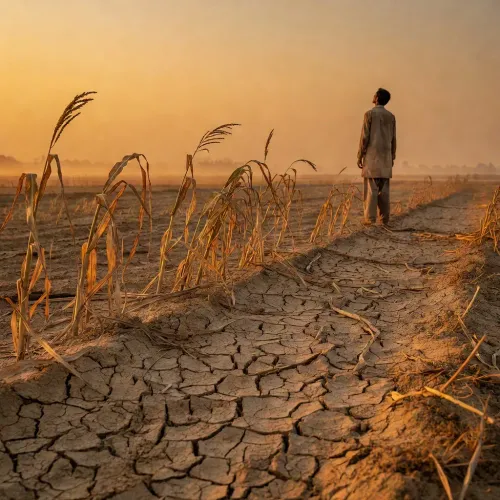
Maharashtra has declared 304 talukas drought-affected — its largest such designation this season — after sustained Kharif rainfall deficits, and Chief Minister Devendra Fadnavis has added a pre-Diwali punch: ₹5,000 direct cash advance per farmer and a sweeping 12-point relief package covering loan moratoriums, free exams, and GPS-tracked water tankers, even as groundwater in Marathwada has already crashed by over 3 metres.
Key Takeaways
Maharashtra declared 304 talukas drought-affected on 14 October 2026 , up from 265 designated on 26 September .
An additional 39 talukas qualifying under Trigger-1 and Trigger-2 norms were added after a fresh rainfall-deficit review.
CM Devendra Fadnavis announced ₹5,000 advance aid to be deposited directly into affected farmers' bank accounts before Diwali .
A 12-point relief package covers land revenue waivers, loan moratoriums, exam fee exemptions, MGNREGS work, GPS-tracked water tankers, and fodder management.
3.5 lakh farmers have been finalised for a loan waiver scheme, with processing underway.
Groundwater levels in Marathwada have dropped by more than 3 metres ; over 16,000 illegal water connections have been disconnected.
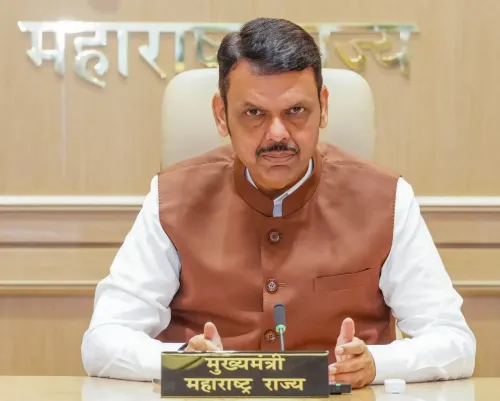
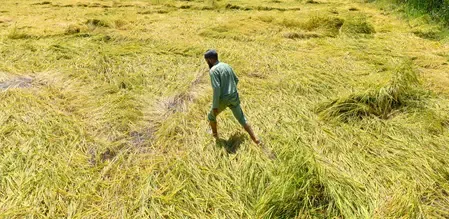
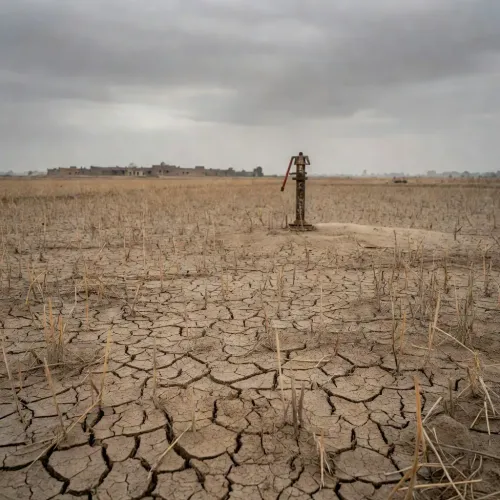
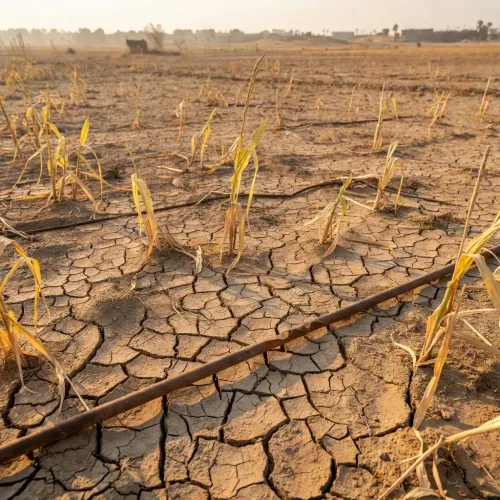
The Maharashtra government on Wednesday, 14 October 2026, declared 304 talukas across the state as drought-affected following significant rainfall deficits during the Kharif season, ordering immediate crop damage assessments and rolling out a 12-point relief package that includes an advance payment of ₹5,000 per affected farmer ahead of Diwali. The move, announced after a high-level Cabinet meeting chaired by Chief Minister Devendra Fadnavis, marks the state's most expansive drought declaration this season.
How the Drought Declaration Expanded
The state had earlier, on 26 September, designated 265 talukas under Trigger-1 norms as drought-hit. Following a comprehensive review of sustained precipitation shortfalls and ground-level agricultural indicators, an additional 39 talukas — qualifying under Trigger-1 and Trigger-2 criteria — have been added to the list, bringing the cumulative total to 304. State Relief and Rehabilitation Minister Makarand Jadhav Patil confirmed that district collectors have been directed to initiate immediate panchanamas (crop damage assessments) across all affected regions to fast-track compensation to farmers.
The 12-Point Relief Package
The state government has announced a broad set of concessions aimed at easing financial pressure on farmers, agricultural labourers, and rural households in the declared zones. Key measures include a complete waiver of land revenue, rescheduling and extension of agricultural loan repayment deadlines, and a temporary moratorium on coercive loan recovery by banks and microfinance institutions. Farmers will also receive substantial relief on electricity bills for agricultural pumps, with a directive ensuring pump connections in drought-hit areas are not severed.
Additional relief covers full exemption of examination fees for students from distressed families, expedited work generation under the Mahatma Gandhi National Rural Employment Guarantee Scheme (MGNREGS), deployment of GPS-tracked water tankers to villages facing acute drinking water shortages, guaranteed supply of essential food grains to farmers and labourers, and special provisions for cattle feed and fodder management to protect livestock. The state administration has instructed district authorities to execute these measures on a 'war footing.'
Cabinet Meeting and Fadnavis's Announcements
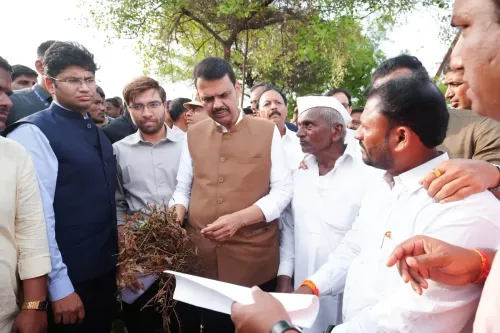
The high-stakes Cabinet session was attended by Deputy Chief Minister Sunetra Pawar, Deputy Chief Minister Eknath Shinde, and other senior ministers. Chief Minister Fadnavis told reporters that the ₹5,000 advance aid will be transferred directly into the bank accounts of affected farmers before Diwali. The state has also finalised a list of 3.5 lakh farmers for a loan waiver scheme, with processing currently underway.
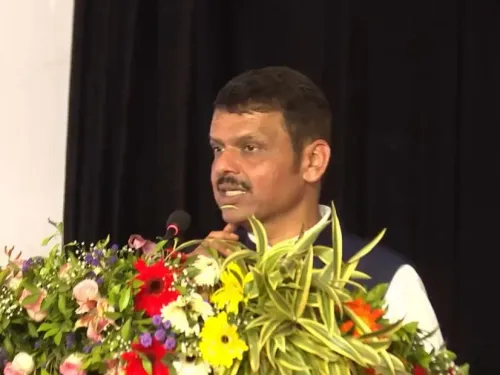
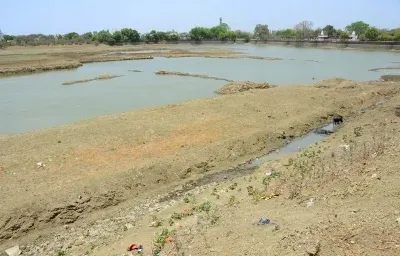
Fadnavis noted that groundwater levels in Marathwada have plummeted by more than 3 metres, underscoring the severity of the crisis. He added that more than 16,000 illegal water connections have already been disconnected, and strict instructions have been issued to banks and microfinance institutions against forcible collection of loan repayments or electricity dues.
Context and Broader Impact
Maharashtra's Kharif-season drought comes amid a wider pattern of uneven monsoon distribution across peninsular India this year. The Marathwada and Vidarbha belts — historically the most drought-prone parts of the state — account for a disproportionate share of farmer distress and agrarian debt. This declaration is one of the largest in terms of taluka count in recent memory, reflecting the scale of the rainfall deficit. Critically, the timing ahead of Diwali adds political urgency, as the festival marks a key period of rural spending and loan settlements.
With over 3.5 lakh farmers already identified for loan waivers and district collectors on alert for panchanama completion, the pace of disbursement will be closely watched by farm groups and opposition parties. Pending assessments and any delays in direct benefit transfers to bank accounts could become flashpoints in the coming weeks.
Point of View
But the pre-Diwali ₹5,000 advance — while symbolically timed — risks being absorbed by immediate household debt rather than serving as productive agricultural relief. The real litmus test will be how quickly panchanamas are completed and whether the loan waiver list of 3.5 lakh farmers translates into verified credit relief before rabi sowing begins. Marathwada's groundwater has crashed by 3 metres, yet the relief package leans heavily on financial concessions rather than structural water conservation — a pattern that has recurred across multiple drought cycles in the region without breaking the distress loop.
NationPress
15 Oct 2026
Frequently Asked Questions
How many talukas has Maharashtra declared drought-affected in October 2026?
Maharashtra declared 304 talukas drought-affected on 14 October 2026. The count rose from 265 talukas designated on 26 September, after 39 additional talukas qualifying under Trigger-1 and Trigger-2 rainfall-deficit norms were added.
What is the ₹5,000 advance aid announced for Maharashtra farmers?
Chief Minister Devendra Fadnavis announced that each drought-affected farmer will receive ₹5,000 deposited directly into their bank account as advance aid before Diwali. The relief is part of a broader 12-point package approved at a Cabinet meeting on 14 October 2026.
What relief measures are included in Maharashtra's drought package?
The 12-point package includes a complete waiver of land revenue, rescheduling of agricultural loan repayments, a moratorium on coercive loan recovery, subsidised power bills for agricultural pumps, examination fee waivers for students from distressed families, MGNREGS work generation, GPS-tracked water tankers, food grain distribution, and cattle fodder management.
How severe is the groundwater crisis in Marathwada?
Groundwater levels in Marathwada have fallen by more than 3 metres, according to the state government. Over 16,000 illegal water connections have already been disconnected as part of water conservation measures.
Who is eligible for Maharashtra's loan waiver amid the drought?
The state government has finalised a list of 3.5 lakh farmers for the loan waiver scheme, with processing currently underway. All identified farmers are in drought-declared talukas affected by the Kharif season rainfall deficit.