CM Rekha Gupta to launch 100 new e-buses, Delhi–Hapur route
Synopsis
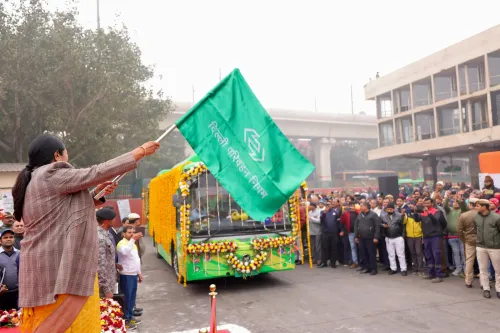
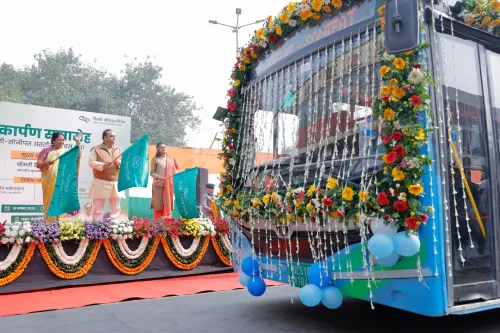
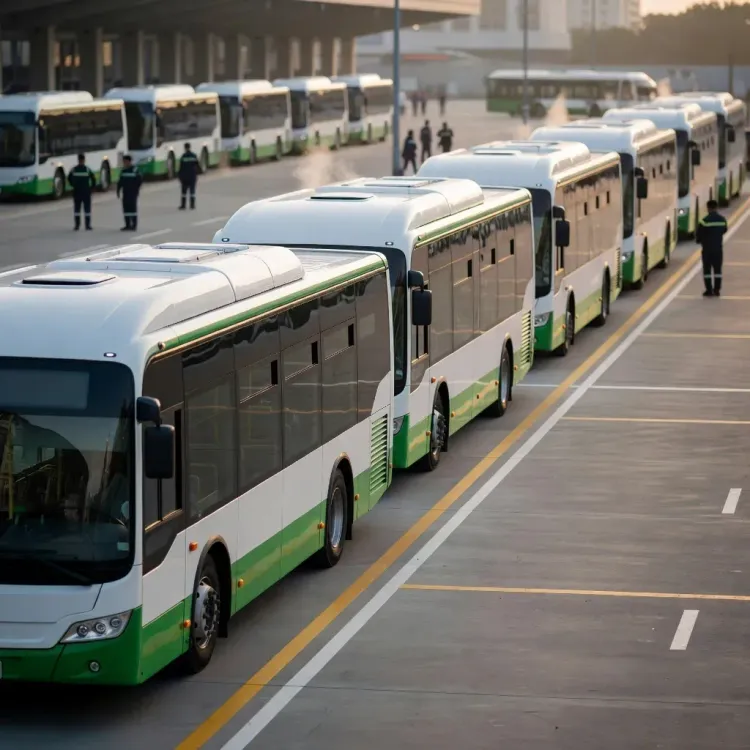
Delhi Chief Minister Rekha Gupta will launch 100 new electric buses and inaugurate the Delhi–Hapur Interstate Electric Bus Service at Kashmere Gate ISBT on 20 November 2026, expanding the capital's e-bus fleet and extending electric public transport across state lines for the first time on this corridor.
Key Takeaways
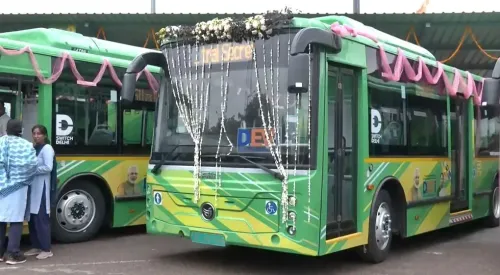
100 new electric buses will be inducted into Delhi's fleet on 20 November 2026 .
The Delhi–Hapur Interstate Electric Bus Service will be launched simultaneously, extending e-bus operations beyond Delhi into Uttar Pradesh .
The inauguration is set for 10:30 AM at Kashmere Gate ISBT , north Delhi's principal inter-state bus terminal.
Delhi's electric bus programme traces back to the central FAME-II scheme (2019) and the Delhi EV Policy 2020 .
The inter-state route tests whether Delhi's e-bus infrastructure can support longer corridors, with implications for further NCR electrification.
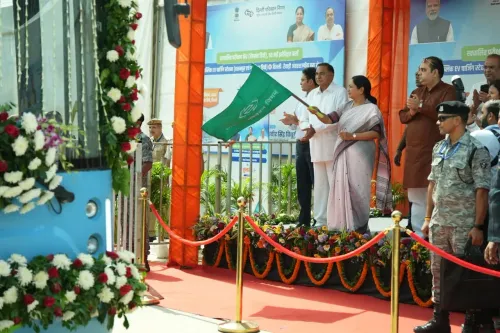
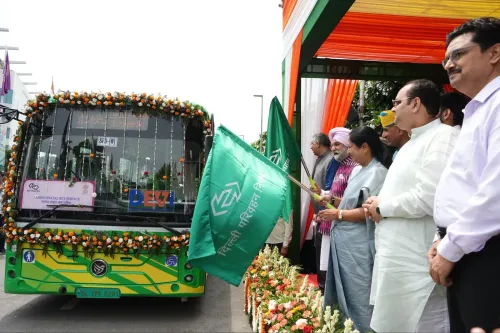
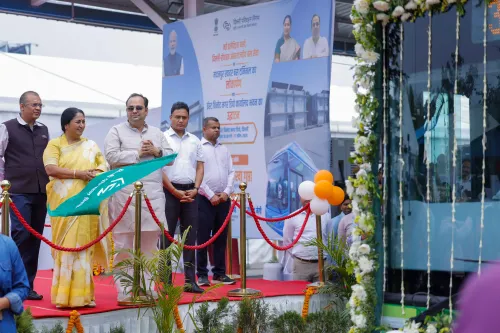
One hundred electric buses are set to roll into Delhi's fleet on 20 November 2026, and this time the expansion crosses state lines — Delhi Chief Minister Rekha Gupta will inaugurate a brand-new interstate electric bus service linking Delhi with Hapur in Uttar Pradesh, marking a significant step in the capital's shift away from diesel-powered public transport.
What is launching at Kashmere Gate ISBT on 20 November
The event is scheduled for 10:30 AM at Kashmere Gate ISBT, north Delhi's largest inter-state bus terminal and a traditional gateway to the NCR's hinterland. Two things happen simultaneously: 100 new electric buses are inducted into the existing Delhi fleet, and the Delhi–Hapur Interstate Electric Bus Service is formally launched. CM Gupta, announcing the event on X, framed it as bringing Delhi 'closer to cleaner air, less pollution and better journeys for Delhiites.'
Kashmere Gate ISBT is a natural launchpad — it handles some of the highest inter-state passenger volumes in northern India, making it the most visible stage for a service that will connect Delhi commuters directly with Hapur in western Uttar Pradesh.
Delhi's electric bus journey — from FAME-II to interstate routes
Delhi's electric bus ambition has roots in the central FAME-II scheme, which from 2019 onward provided financial incentives to replace ageing diesel fleets with zero-emission alternatives. The Delhi EV Policy 2020 cemented fleet electrification as a formal urban mobility target, setting the stage for successive rounds of induction that have positioned the capital as one of India's leading cities in e-bus deployment.
What makes the 20 November addition notable is not just the scale — 100 buses in a single tranche — but the interstate dimension. Extending electric bus operations to Hapur tests whether the charging and operational infrastructure built for city routes can sustain longer inter-city corridors, a question that matters for every major Indian metro eyeing similar expansions.
Why cleaner air makes this more than a transport story
Delhi's air quality crisis is well-documented, with winter months routinely pushing particulate levels into hazardous territory. Diesel buses are a significant contributor to urban NOx and PM2.5 emissions. Each electric bus added to the fleet removes a diesel vehicle from roads that carry millions of passengers daily. The cumulative effect — quieter roads, lower tailpipe emissions, reduced fuel-import costs — is precisely the logic behind national net-zero mobility goals that Delhi has aligned itself with.
Major Indian cities from Pune to Bengaluru to Kolkata are racing to scale e-bus procurement, but Delhi's successive, large-tranche additions have kept it at the front of that field. The Hapur service, if operationally successful, could become a template for electrifying other NCR inter-state corridors.
What to watch after the launch
The real test begins after the ribbon is cut. Operational data — ridership on the Delhi–Hapur corridor, charging turnaround times, and fleet uptime figures — will determine whether this expansion holds up under daily inter-state demands. Any announcements on further interstate electric routes or enhanced fleet targets in the months ahead will signal how far the government intends to push beyond the city limits.
For now, the clock is set: Kashmere Gate ISBT, 10:30 AM, 20 November. One hundred new electric buses, one new interstate route, and a capital city making the case that clean public transport and long-distance connectivity are not competing goals — they are the same journey.
Point of View
Reinforcing BJP's cross-state governance footprint in the NCR. The move also aligns with the Centre's broader push under FAME-II and national net-zero targets, allowing the state government to claim credit for a programme with both local air-quality benefits and national policy backing. Whether the interstate route can sustain commercial viability and charging reliability will determine if this becomes a replicable model — or a one-off headline.
NationPress
19 Nov 2026
Frequently Asked Questions
When and where will Delhi's new 100 electric buses be launched?
The 100 new electric buses will be inaugurated on 20 November 2026 at 10:30 AM at Kashmere Gate ISBT in north Delhi by Chief Minister Rekha Gupta.
What is the Delhi–Hapur Interstate Electric Bus Service?
It is a new electric bus route connecting Delhi with Hapur in Uttar Pradesh , being launched alongside the fleet induction at Kashmere Gate ISBT on 20 November 2026.
How has Delhi built its electric bus fleet?
Delhi began scaling electric buses under the central FAME-II scheme from 2019 and formalised fleet electrification targets through the Delhi EV Policy 2020 , with successive large-tranche additions since then.
Why is Kashmere Gate ISBT the venue for this launch?
Kashmere Gate ISBT is north Delhi's largest inter-state bus terminal and handles high volumes of regional passenger traffic, making it the most prominent stage for launching an interstate electric bus service.
How does this e-bus expansion help Delhi's air quality?
Electric buses produce zero tailpipe emissions, replacing diesel vehicles that contribute significantly to Delhi's NOx and PM2.5 pollution levels, particularly acute in the winter months.