Maharashtra Declares 6 More Talukas Drought-Affected
Synopsis
Maharashtra's government has declared six more talukas in Nashik, Palghar, Ratnagiri and Kolhapur drought-affected, adding to the existing 304 talukas. A 12-point relief package — covering land revenue, loan restructuring, electricity waivers, exam fees and tanker water — takes immediate effect for affected farmers and residents.
Key Takeaways
Six new talukas — Dindori (Nashik), Wada and Vikramgad (Palghar), Chiplun (Ratnagiri), Hatkanangle and Gadhinglaj (Kolhapur) — have been declared drought-affected.
These additions are over and above the 304 talukas already on Maharashtra's drought list.
Land revenue exemptions , crop-loan restructuring and a stay on agricultural debt recovery apply immediately.
Electricity-bill relief on irrigation pumps above 7.5 HP is now extended; sub-7.5 HP pumps were already exempt.
Exam-fee waivers for school and college students in drought-hit talukas are part of the relief basket.
The government has committed to tanker water supply , fodder availability, Employment Guarantee Scheme work expansion and water-conservation projects in affected areas.
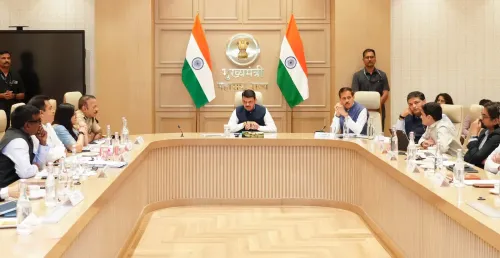
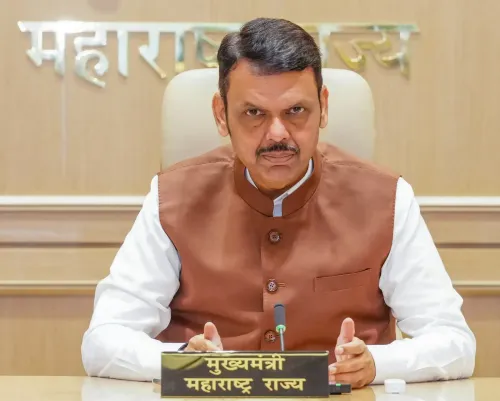
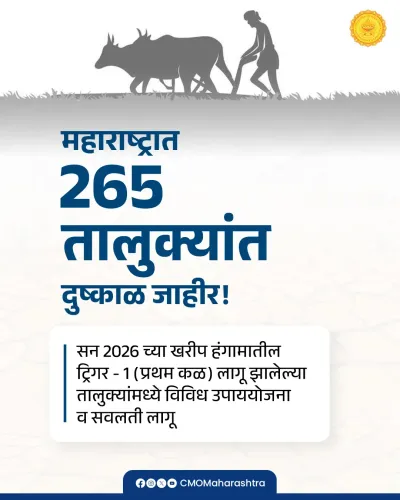
Six more talukas across four Maharashtra districts have been declared drought-affected, the state government announced on Thursday, 19 November 2026 — expanding the relief umbrella to hundreds of thousands of farmers and agricultural labourers who have been battling a punishing dry spell. The Chief Minister's Office of Maharashtra, tagging Chief Minister Devendra Fadnavis, confirmed the move with a sweeping 12-point relief package that kicks in immediately.
The six newly declared talukas
Added to the drought map are Dindori in Nashik district; Wada and Vikramgad in Palghar; Chiplun in Ratnagiri; and Hatkanangle and Gadhinglaj in Kolhapur. The announcement states these six are declared in addition to the 304 talukas already designated drought-affected across the state — signalling that even coastal and semi-coastal belt districts, not just the traditionally drought-prone Marathwada heartland, are under stress this season.
What relief farmers get immediately
The state government has activated a comprehensive relief basket for residents of the newly notified talukas. Land revenue exemptions take effect at once, alongside restructuring of crop loans and a stay on recovery of agriculture-linked debts. Farmers running irrigation pumps above 7.5 horsepower will receive a waiver on current electricity bills — those at or below that capacity were already exempt under an earlier order.
Students in drought-hit areas get exam-fee waivers at both school and college level. Under the Employment Guarantee Scheme (Rohyo), eligibility norms will be relaxed to open up the maximum possible work opportunities. Where drinking water runs short, tanker supply will be arranged, and agricultural pump connections in scarcity-declared villages will not be disconnected. The government has also committed to ensuring food-grain availability for farming families and labourers, as well as securing fodder supplies for livestock and kick-starting water-conservation works.
Maharashtra's recurring drought cycle and what this expansion signals
Maharashtra has long lived on a knife-edge with its monsoon. Variable rainfall across the Western Ghats and the Deccan Plateau repeatedly forces the state administration to invoke drought protocols — each declaration unlocking a cascade of revenue, credit, and welfare interventions that form the government's primary shock-absorber for agrarian distress. The inclusion of Ratnagiri and Palghar — districts that sit on or near the coast and are not typically associated with drought — is a pointed signal that the 2026 monsoon underperformed far more widely than usual.
Chief Minister Fadnavis, who has championed water-conservation infrastructure as a long-term drought-proofing strategy, faces pressure to match immediate relief with structural investment. The 'what to watch' question now is whether the winter rainfall assessment triggers yet another round of taluka additions — and whether the machinery for tanker deployment and employment-guarantee works can scale fast enough to meet demand across a state already managing 304 drought-designated talukas.
Point of View
Alongside the more expected Nashik and Kolhapur entries, suggests the 2026 monsoon deficit was broader and deeper than the state's initial 304-taluka declaration captured. For the Fadnavis government, activating a 12-point relief package quickly is politically necessary in a state where agrarian distress has historically shaped electoral outcomes. The real test is administrative: tanker supply chains, loan-restructuring timelines and Employment Guarantee Scheme work-creation are notoriously slow to operationalise at scale. The absence of any new structural drought-proofing announcement alongside the relief package raises the persistent question of whether Maharashtra is managing recurring crises rather than engineering a durable solution.
NationPress
19 Nov 2026
Frequently Asked Questions
Which six new talukas have been declared drought-affected in Maharashtra in 2026?
The six newly declared drought-affected talukas are Dindori in Nashik, Wada and Vikramgad in Palghar, Chiplun in Ratnagiri, and Hatkanangle and Gadhinglaj in Kolhapur.
What relief measures are available to farmers in Maharashtra's drought-affected talukas?
Farmers in newly declared drought-affected talukas are entitled to land revenue exemptions, crop-loan restructuring, a stay on agricultural debt recovery, electricity-bill waivers on irrigation pumps above 7.5 HP, and tanker drinking water supply where needed. Farm-pump connections will not be disconnected in scarcity-declared villages.
How many talukas in Maharashtra are now declared drought-affected?
Including the latest six additions, Maharashtra now has at least 310 talukas on its drought-affected list — 304 declared previously plus the six new ones announced on 19 November 2026.
Will students in Maharashtra drought zones get any financial relief?
Yes. Students at school and college level in the newly declared drought-affected talukas are eligible for exam-fee waivers as part of the state government's relief package.
Which districts in Maharashtra are affected by the latest drought declaration?
The latest drought declaration covers talukas in four districts: Nashik, Palghar, Ratnagiri and Kolhapur.