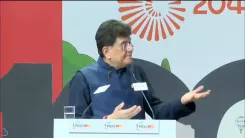
CM Dhami Greets Uttarakhand on Igas Festival, Declares Public Holiday
Synopsis
Uttarakhand Chief Minister Pushkar Singh Dhami greeted state residents on Igas Parva (Budhi Diwali) on 19 November 2026, highlighted a government-declared public holiday for the festival, and appealed to migrant Uttarakhandis to return to their ancestral villages to celebrate their folk heritage.
Key Takeaways
CM Pushkar Singh Dhami extended official greetings for Igas Parva (Budhi Diwali) on 19 November 2026 .
The Uttarakhand government has declared a public holiday on Igas to enable people to celebrate in their ancestral villages.
Igas is described as a symbol of folk faith, family traditions, and social solidarity unique to Uttarakhand's Himalayan communities.
Dhami invoked PM Narendra Modi's guidance on nationwide cultural heritage preservation as the broader policy backdrop.
The Chief Minister appealed to migrant Uttarakhandis to return to their home villages and stay connected to their cultural roots.
Dhami called on the youth to learn and carry forward the state's folk traditions and customs.
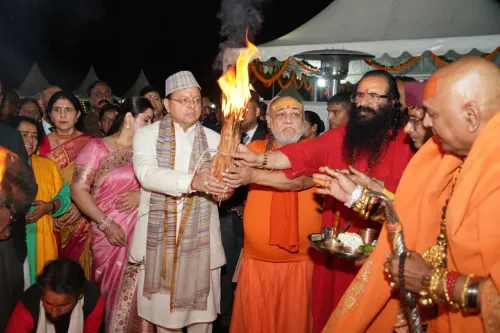
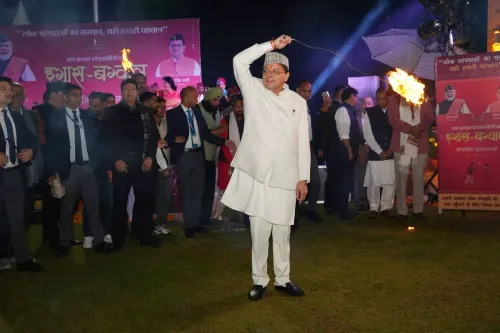
A mountain state's most cherished folk festival just got an official embrace. On Thursday, 19 November 2026, the Chief Minister's Office of Uttarakhand announced that Chief Minister Pushkar Singh Dhami extended warm greetings to the people of the state on the occasion of Igas Parva — also known as Budhi Diwali (the 'elder Diwali') — and reaffirmed the state government's commitment to preserving Uttarakhand's rich folk heritage.
What is Igas — and why does it matter to Uttarakhand?
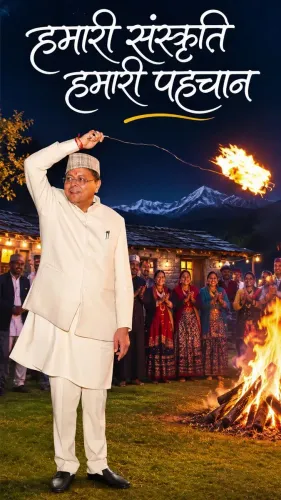
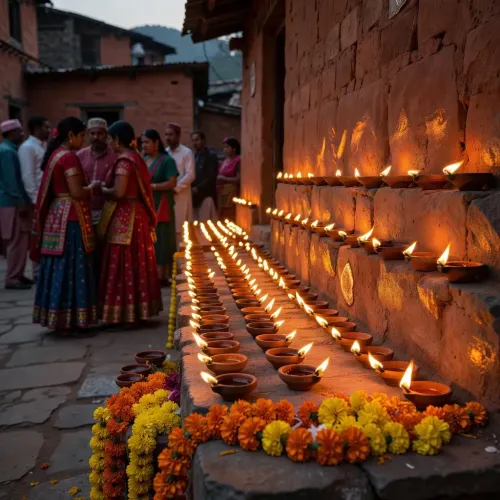
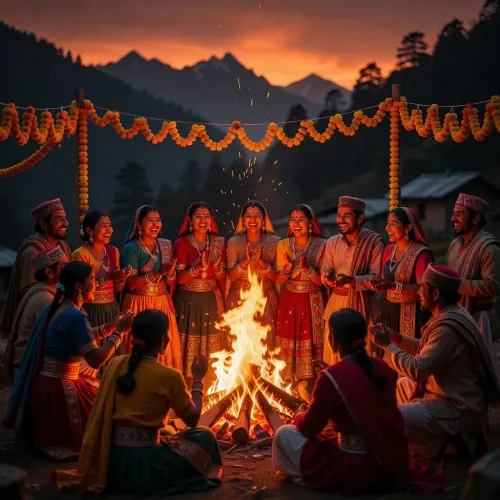
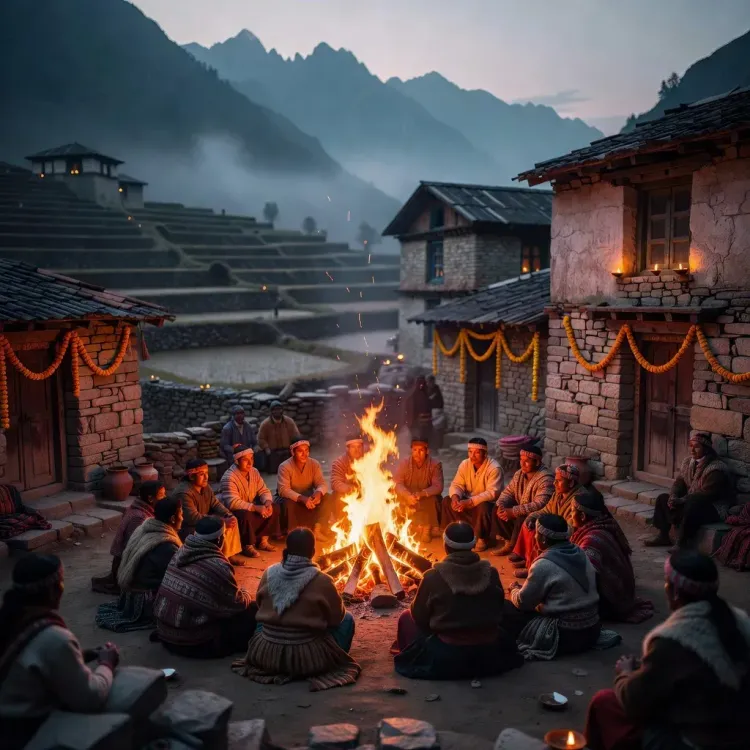
Igas Parva is a traditional festival unique to the Garhwal and Kumaon regions of Uttarakhand, celebrated roughly eleven days after Diwali. Folklore holds that the news of Lord Ram's return to Ayodhya reached the remote Himalayan hills only after the plains had already celebrated — so the mountains lit their lamps later, keeping the joy alive. The festival is marked by bonfires, folk songs, ritual dances, and family gatherings, making it a living expression of community bonds that urbanisation has struggled to erode.
CM Dhami described Igas as a symbol of 'lok aastha, paarivaarik parampraon aur saamaajik ekjutata' — folk faith, family traditions, and social solidarity. Those three words capture precisely why the festival carries emotional weight far beyond its geographic footprint.
A public holiday to bring people back to their villages
The Chief Minister highlighted a concrete step: the state government has declared a public holiday on Igas so that residents can travel to their ancestral villages and celebrate with traditional rites. The move is as much demographic policy as cultural gesture — Uttarakhand is one of India's most migration-affected states, with large numbers of youth leaving for cities in the plains. A guaranteed day off is a nudge to return, reconnect, and keep village communities alive.
Dhami also issued a direct appeal to migrant Uttarakhandis living outside the state: come back to your ancestral villages for the festival, stay rooted in your cultural inheritance. For a government grappling with rural depopulation, that appeal is both sentimental and strategic.
Modi's cultural heritage push as the broader frame
The Chief Minister invoked Prime Minister Narendra Modi's guidance as the driving force behind renewed national energy for cultural heritage preservation. That framing slots Igas into a wider political narrative — one in which state-level celebrations of regional identity are presented as complementary to, rather than separate from, a centralised vision of India's civilisational continuity. Whether one reads it as genuine federalism of culture or as top-down branding, the practical outcome for the festival is the same: official recognition, a holiday, and a bullhorn.
Dhami also called on the younger generation to learn about and carry forward Uttarakhand's folk traditions — an acknowledgement that institutional support alone cannot sustain a living culture if its inheritors walk away from it.
Igas lamps burn brightest when the mountains are full. The government has cleared the calendar — now it is up to the hills to fill up again.
Point of View
Rural depopulation in a migration-heavy hill state. The public holiday declaration is the most substantive element, translating cultural rhetoric into a policy instrument. Framing the gesture within PM Modi's national heritage agenda also reflects a pattern of state-level BJP governments aligning regional identity politics with the Centre's civilisational branding, strengthening both simultaneously. The appeal to migrant Uttarakhandis signals that the government sees diaspora reconnection as central to keeping village economies and traditions alive.
NationPress
19 Nov 2026
Frequently Asked Questions
What is Igas Parva in Uttarakhand?
Igas Parva, also called Budhi Diwali or 'elder Diwali', is a traditional festival celebrated in the Garhwal and Kumaon regions of Uttarakhand roughly eleven days after the main Diwali. According to folk belief, news of Lord Ram's return reached the remote Himalayan hills later than the plains, so communities lit their lamps on a later date. The festival features bonfires, folk songs, ritual dances, and family gatherings.
Has Uttarakhand declared a public holiday for Igas?
Yes. Chief Minister Pushkar Singh Dhami confirmed that the Uttarakhand government has declared a public holiday on Igas Parva so that residents can travel to their ancestral villages and celebrate with traditional customs.
Why did CM Dhami appeal to migrant Uttarakhandis?
Uttarakhand faces significant rural outmigration, with many residents living in plains cities. Dhami urged migrant Uttarakhandis to return to their ancestral villages for Igas to stay connected to their cultural roots and help keep village traditions alive.
What did CM Dhami say about PM Modi and cultural heritage?
Dhami stated that under Prime Minister Narendra Modi's guidance, cultural heritage preservation and promotion is receiving renewed energy across the country, and that this has contributed to growing enthusiasm for Igas in Uttarakhand.
What is Budhi Diwali and how is it different from regular Diwali?
Budhi Diwali literally means 'old' or 'elder' Diwali and refers to the same festival as Igas Parva. It is distinct from the main pan-India Diwali in that it is celebrated about eleven days later and is specific to the hill communities of Uttarakhand, with its own folk rituals, songs, and community bonfires.