Goyal Cheers Small-Town Indian Startups Pitching to Italy
Synopsis
Commerce Minister Piyush Goyal celebrated Indian startups from smaller cities connecting with Italian businesses, highlighting India's push to internationalise its tier-2 and tier-3 startup ecosystem under the Startup India initiative.
Key Takeaways
Union Commerce Minister Piyush Goyal expressed admiration for Indian startups from small towns engaging with Italian counterparts on 19 November 2026 .
India's Startup India scheme, launched in 2016 , has actively worked to expand the startup ecosystem beyond metros into smaller cities.
India and Italy maintain bilateral economic cooperation through joint commission mechanisms covering trade and technology.
India's broader strategy involves decentralising startup growth and diversifying international partnerships into European markets.
The engagement signals a push to integrate smaller Indian firms into global value chains through cross-border business linkages.
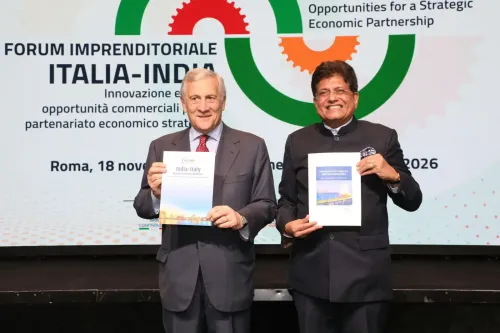
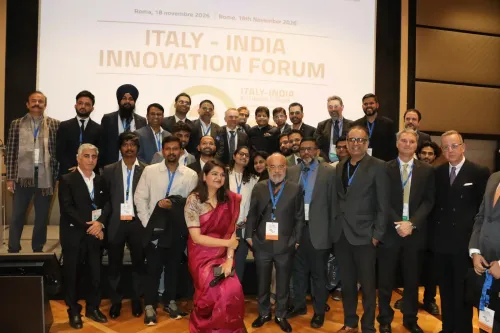
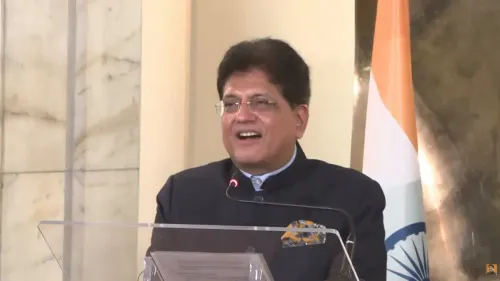
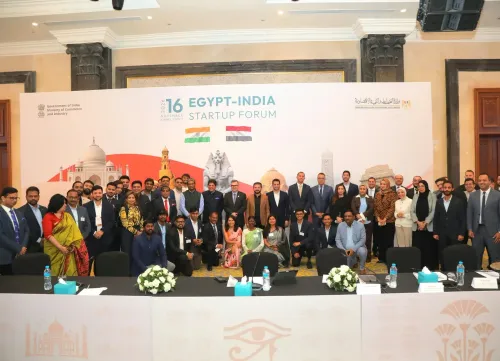
India's small-town startup founders are stepping onto the global stage — and Union Commerce and Industry Minister Piyush Goyal wants the world to notice. On Thursday, 19 November 2026, Goyal shared his admiration for entrepreneurs from India's smaller cities who engaged with Italian counterparts to explore fresh business opportunities, calling the sight 'heartening.'
Small-Town Founders, Global Ambition
The minister's remarks spotlight a shift that has been years in the making. India's startup ecosystem, long synonymous with Bengaluru, Mumbai, and Delhi, has been deliberately seeded into tier-2 and tier-3 cities through the government's flagship Startup India initiative, launched in 2016. That programme built funding access, regulatory support, and mentorship networks in cities that had previously been left out of the venture economy.
The result, as Goyal's post suggests, is a new generation of founders who are confident enough to walk into rooms with European businesses and talk partnerships — not ask for them.
Why Italy, and Why Now
India and Italy share a bilateral economic relationship anchored in manufacturing, design, and industrial technology — sectors where smaller Indian firms have quietly built competitive strengths. Periodic joint commission meetings between the two countries have created a framework for exactly the kind of business-to-business linkages Goyal is celebrating.
For India, deepening ties with European Union members like Italy also serves a strategic diversification goal: reducing dependence on a narrow set of trading partners and plugging Indian firms — especially newer, smaller ones — into global value chains.
The Bigger Picture: Internationalising India's Grassroots Economy
What makes this moment notable is not just the India-Italy dimension. It is evidence that the decentralisation strategy built into Startup India is producing founders who can compete internationally, not just domestically. When a startup from a small Indian town confidently pitches to an Italian company, it represents a compounding of two policy bets: that entrepreneurship can thrive beyond metros, and that Indian firms can find markets beyond Asia.
The minister's signal is clear — the government sees these cross-border conversations as a template worth scaling, and will be watching whether they translate into formal agreements, joint ventures, or export breakthroughs.
India's small-town founders have found the room. The next question is whether they can close the deal.
Point of View
Internationally legible results. By spotlighting tier-2 and tier-3 city entrepreneurs in a bilateral European context, the Commerce Ministry reinforces its narrative that India's growth story is no longer a metro monopoly. It also quietly advances a diplomatic-economic argument: that India's startup pipeline is deep and distributed enough to be a serious partner for EU members. Watch whether this celebratory moment is followed by structured outcomes — trade agreements, accelerator tie-ups, or export facilitation — that give the story policy teeth.
NationPress
19 Nov 2026
Frequently Asked Questions
What did Piyush Goyal say about Indian startups and Italy?
Commerce Minister Piyush Goyal said it was heartening to see Indian startups from small towns confidently connecting with Italian counterparts and exploring new business opportunities.
What is the Startup India scheme and how does it support small-town entrepreneurs?
Startup India is a flagship government initiative launched in 2016 to promote entrepreneurship across India, including in tier-2 and tier-3 cities, by providing funding access, regulatory support, and mentorship networks.
What is the basis for India-Italy startup and trade cooperation?
India and Italy have bilateral economic cooperation mechanisms including periodic joint commission meetings covering trade, manufacturing, and technology, which create frameworks for business-to-business linkages.
Why is India focusing on connecting small-town startups with European partners?
India's strategy involves decentralising startup growth beyond metros and diversifying international partnerships to integrate smaller Indian firms into global value chains and expand export markets.
What role does Piyush Goyal play in India's startup and trade policy?
Piyush Goyal is the Union Minister of Commerce and Industry and Leader of the House in the Rajya Sabha, overseeing trade, industry, and startup policy including the Startup India initiative.