Jal Shakti Minister Paatil launches SSGB sanitation campaign
Synopsis
On World Toilet Day 2026, Jal Shakti Minister C. R. Paatil launched the SSGB campaign under SBM-G to improve functionality and inclusivity of rural sanitation infrastructure, with a special focus on women, girl students, and Divyangjan, running through Human Rights Day on 10 December.
Key Takeaways
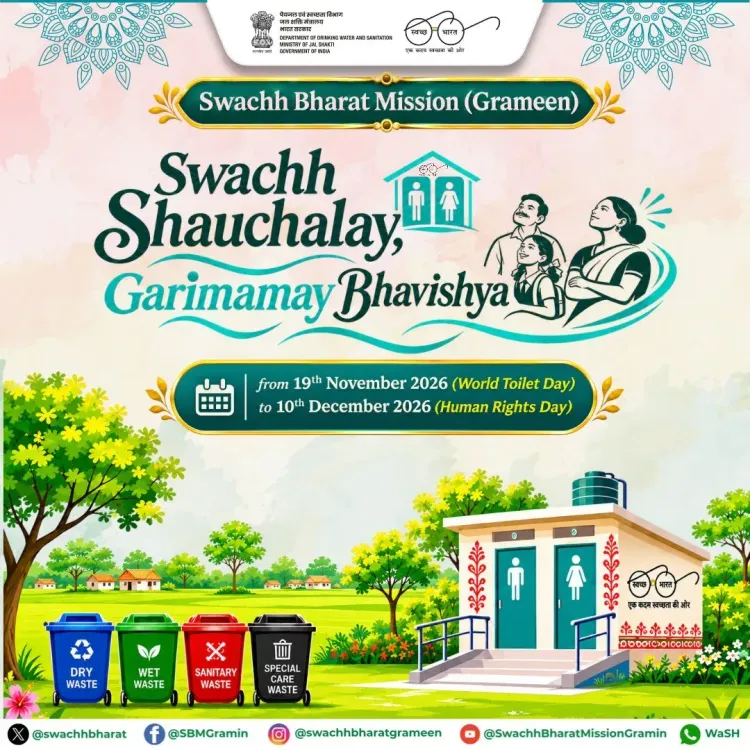
SSGB campaign ('Swachh Shauchalay - Garimamay Bhavishya') launched on 19 November 2026 — World Toilet Day — by the Department of Drinking Water & Sanitation, Ministry of Jal Shakti.
The campaign runs under Swachh Bharat Mission (Grameen) and focuses on improving functionality, accessibility, and cleanliness of Community Sanitary Complexes and institutional toilets in rural areas.
Priority beneficiaries are women, girl students, and Divyangjan , with the campaign explicitly framing sanitation as a matter of dignity and gender equality .
School children will be engaged on sanitation, community hygiene, and handwashing with soap as a behaviour-change component.
The campaign culminates on 10 December 2026 — Human Rights Day — signalling access to sanitation as a rights issue.
SSGB reflects the SBM-G Phase 2 (2020) shift from toilet construction to ODF sustainability and maintenance .
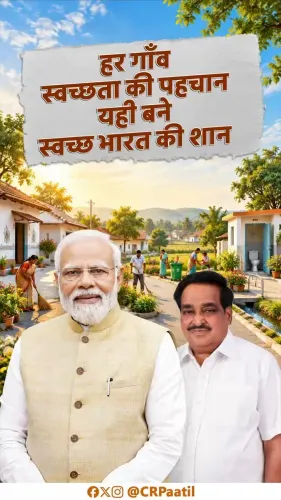
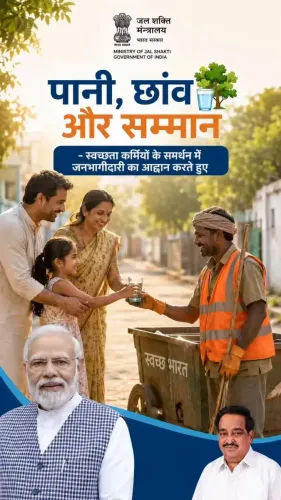
On World Toilet Day, 19 November 2026, Union Jal Shakti Minister C. R. Paatil announced the launch of the 'Swachh Shauchalay - Garimamay Bhavishya' (#SSGB) campaign — a nationwide push to make rural sanitation infrastructure not just present, but actually usable, dignified, and inclusive.
From construction to functionality: what SSGB targets
The campaign, rolled out by the Department of Drinking Water & Sanitation under the Ministry of Jal Shakti, operates under the umbrella of Swachh Bharat Mission (Grameen). Its focus is sharply different from the first wave of SBM: rather than building new toilets, SSGB zeroes in on improving the functionality, accessibility, and cleanliness of existing Community Sanitary Complexes (CSCs) and institutional toilets in rural India. That is a significant pivot — and a necessary one.
Special attention goes to women, girl students, and Divyangjan (persons with disabilities). These are precisely the groups for whom a locked, broken, or poorly maintained toilet is not just an inconvenience — it is a daily indignity and a barrier to education and public life. The campaign frames sanitation explicitly as a matter of dignity and gender equality, not merely a public-health metric.
Schools, handwashing, and a Human Rights Day deadline
The SSGB campaign will also run a structured engagement with school children — sensitising them to sanitation, personal and community hygiene, and handwashing with soap. Embedding the habit at school age is a proven behaviour-change lever, and reaching children also creates a ripple effect into households.
The campaign has a firm closing date: 10 December 2026, Human Rights Day. The choice of that date is deliberate — anchoring a sanitation drive to Human Rights Day signals that access to clean toilets is not charity, it is a right. The arc from World Toilet Day to Human Rights Day gives the campaign exactly 21 days of focused national activity.
SBM's long journey — and where Phase 2 stands
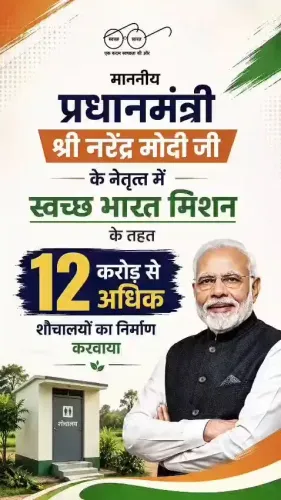
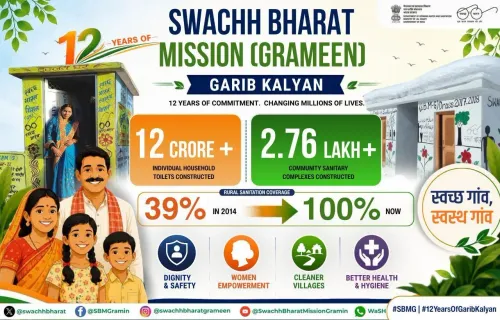
Swachh Bharat Mission was launched by Prime Minister Narendra Modi on 2 October 2014, with the ambition of ending open defecation across India. By its own declared milestones, the first phase delivered massive toilet construction across rural districts. SBM-G Phase 2, whose guidelines were issued in 2020, shifted the goalposts: ODF sustainability, retrofitting substandard infrastructure, and ensuring toilets are actually used became the new benchmarks. SSGB is a direct expression of that Phase 2 philosophy.
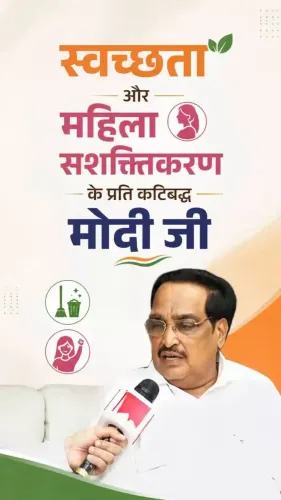
Paatil described Swachhata — cleanliness — as having become a 'Jan Andolan' (people's movement) under the Prime Minister's leadership, and positioned SSGB as carrying that movement forward. Whether the campaign delivers measurable improvements in CSC functionality will be the real test when the numbers come in after 10 December.
Point of View
Less headline-friendly work of ensuring those toilets function, stay clean, and serve those most excluded. By framing the campaign around dignity and gender equity — and bookending it between World Toilet Day and Human Rights Day — the Ministry is explicitly repositioning sanitation as a rights-based entitlement rather than a welfare gift. The focus on Divyangjan and girl students also signals that SBM-G Phase 2 has absorbed lessons from ground-level audits showing CSCs frequently inaccessible to those with mobility challenges. How rigorously the campaign is monitored and whether CSC functionality data is published will determine whether this becomes a credible policy milestone or a commemorative exercise.
NationPress
19 Nov 2026
Frequently Asked Questions
What is the SSGB campaign launched on World Toilet Day 2026?
'Swachh Shauchalay - Garimamay Bhavishya' (SSGB) is a nationwide campaign launched on 19 November 2026 by the Department of Drinking Water & Sanitation under the Ministry of Jal Shakti to improve the functionality, accessibility, and cleanliness of rural Community Sanitary Complexes and institutional toilets under Swachh Bharat Mission (Grameen).
Who launched the SSGB sanitation campaign and when does it end?
Union Jal Shakti Minister C. R. Paatil announced the launch on World Toilet Day, 19 November 2026. The campaign will culminate on 10 December 2026 — Human Rights Day.
Who are the main beneficiaries of the SSGB campaign?
The campaign gives special attention to women, girl students, and Divyangjan (persons with disabilities) in rural areas, alongside a school-children sensitisation component covering hygiene and handwashing with soap.
How does SSGB differ from the original Swachh Bharat Mission?
The original SBM (2014) focused primarily on large-scale toilet construction to end open defecation. SSGB, under SBM-G Phase 2 principles active since 2020, shifts emphasis to ODF sustainability, retrofitting, and ensuring existing toilets are functional, clean, and accessible — especially for excluded groups.
What is the significance of choosing Human Rights Day as the SSGB end date?
Closing the campaign on 10 December — Human Rights Day — signals that access to clean and functional sanitation is framed as a fundamental right, not merely a public health or infrastructure target.