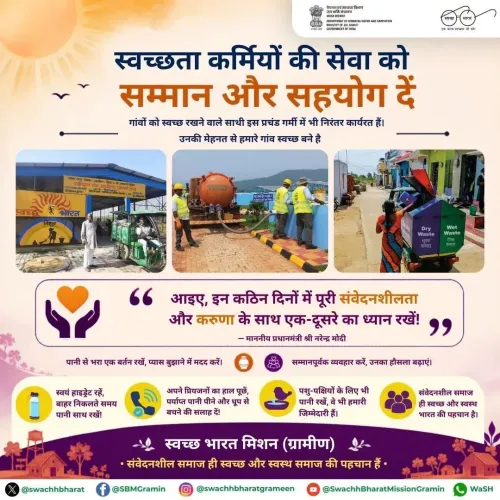
Jal Shakti Minister Paatil Calls for Respect for Sanitation Workers
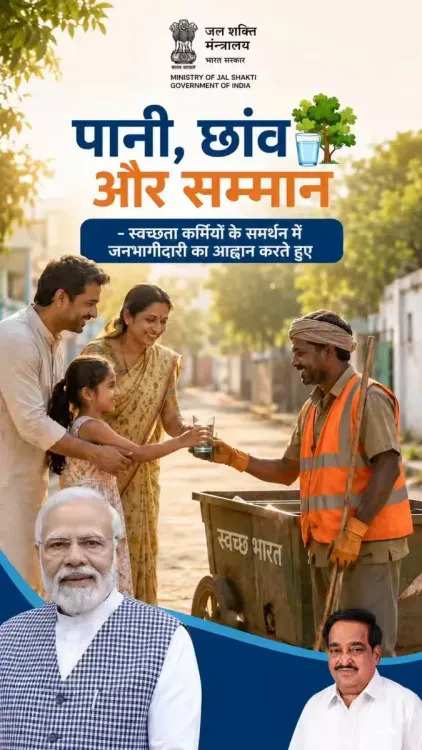
Synopsis
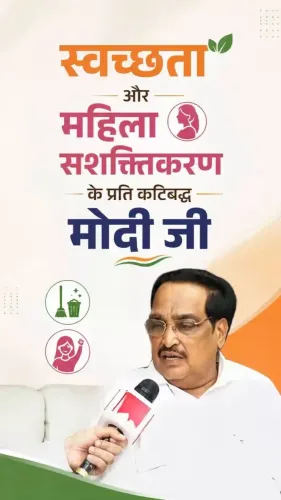
Union Jal Shakti Minister C. R. Paatil has appealed to citizens to show respect and gratitude toward sanitation workers maintaining village cleanliness amid intense summer heat, framing their work as vital to public health and social welfare under the Swachh Bharat Mission.
Key Takeaways
Union Jal Shakti Minister C.
Paatil posted an appeal on 29 May 2026 honouring sanitation workers.
He described sanitation workers as 'swachhata saathi' and acknowledged their service under extreme summer heat conditions.
Paatil framed their work as linked to public health protection and overall societal welfare, not just cleanliness.
He called on all citizens to express gratitude and ensure dignified and cooperative behaviour toward sanitation workers.
The appeal aligns with the Swachh Bharat Mission Phase 2 , which focuses on sustaining sanitation outcomes in rural India.
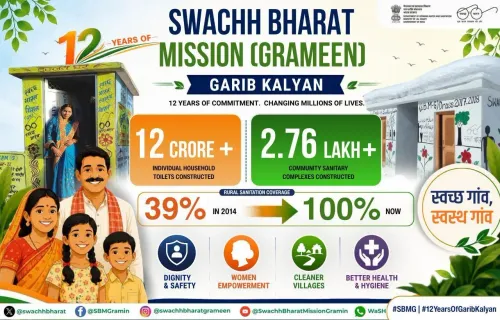
The Ministry of Jal Shakti oversees the rural component of Swachh Bharat Mission , launched on 2 October 2014 .
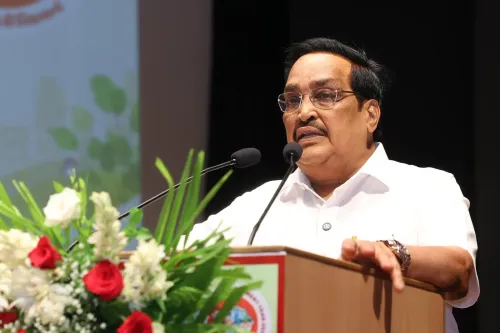
Union Jal Shakti Minister C. R. Paatil on Friday, 29 May 2026 appealed to citizens across India to express gratitude toward sanitation workers who continue to maintain cleanliness in villages and communities despite severe summer heat, calling it a shared social responsibility.
Context
Posting in Hindi on X, Minister Paatil acknowledged the dedication of what he termed 'swachhata saathi' (sanitation companions), noting that their work under adverse conditions goes beyond routine cleaning duties. He wrote that their contribution is 'not merely a responsibility of cleanliness, but an important contribution linked to the protection of public health and the overall welfare of society.'
He issued a direct appeal: 'I urge all of you to express your gratitude toward sanitation workers, strengthen the spirit of service and respect, and ensure positive cooperation and dignified behaviour toward their work.'
Policy Backdrop
The appeal sits within the framework of the Swachh Bharat Mission, the national sanitation programme launched on 2 October 2014 to eliminate open defecation and improve waste management across rural and urban India. The Ministry of Jal Shakti, which Paatil heads, oversees the mission's rural component.
Swachh Bharat Mission Phase 2, approved in 2020, expanded the programme's focus to sustaining open-defecation-free outcomes and strengthening solid waste management in villages. Frontline sanitation workers are central to delivering these outcomes at the community level, particularly during summer months when heat stress raises both the difficulty and the public-health stakes of the work.
Stakeholders and Impact
Sanitation workers in rural India operate largely at the grassroots, collecting and processing waste in conditions that become significantly more hazardous during peak summer. The minister's message directly addresses the social stigma and lack of recognition that such workers have historically faced.
The post reinforces a pattern of ministerial messaging that links worker dignity to mission sustainability — a recognition that programme outcomes depend on the morale and community support available to frontline staff. Rural communities are both the primary beneficiaries of sanitation services and the audience for the minister's appeal for respectful behaviour.
What's Next
State-level reviews of Swachh Bharat Mission Phase 2 are expected to examine worker welfare provisions and safety guidelines, including protocols for outdoor sanitation work during extreme heat. The minister's public appeal is likely to be reinforced through ground-level awareness campaigns under the mission's community engagement components.
The broader signal from Paatil's post is that the government views sanitation worker welfare not as a peripheral concern but as integral to sustaining the public-health gains of a decade-long national programme.
Point of View
The Jal Shakti Ministry seeks to address one of the Swachh Bharat Mission's persistent soft vulnerabilities: worker attrition and social disrespect. The timing, amid peak summer, amplifies the humanitarian register of the message. It also signals that Phase 2 of the mission is shifting emphasis from infrastructure targets to behavioural and social norm change. For a ministry measured on ODF sustainability and waste management outcomes, community attitudes toward sanitation workers are not a soft issue — they are an operational one.
NationPress
12 Oct 2026
Frequently Asked Questions
What did Jal Shakti Minister C. R. Paatil say about sanitation workers?
Minister C. R. Paatil appealed to citizens to express gratitude toward sanitation workers, calling their contribution vital to public health and societal welfare, and urging respectful and cooperative behaviour toward them.
What is the Swachh Bharat Mission and how does it relate to this appeal?
The Swachh Bharat Mission is a national sanitation programme launched on 2 October 2014 to eliminate open defecation and improve waste management. The Jal Shakti Ministry, led by Paatil, oversees its rural component, making sanitation worker welfare directly relevant to the mission's success.
Who are 'swachhata saathi' referred to by Minister Paatil?
'Swachhata saathi' literally means 'sanitation companions' and refers to frontline sanitation workers who maintain cleanliness in villages and rural communities, often under difficult conditions including extreme summer heat.
What is Swachh Bharat Mission Phase 2?
Swachh Bharat Mission Phase 2 was approved in 2020 and focuses on sustaining open-defecation-free outcomes and strengthening solid waste management in villages, building on the gains of the original 2014 mission.
Why is summer a particularly difficult time for sanitation workers in India?
Extreme summer heat significantly raises the physical difficulty and health risks of outdoor sanitation work, making waste collection and processing more hazardous — a concern that Minister Paatil's post directly acknowledged.