Jal Shakti Minister CR Paatil Hails 12 Years of Swachh Bharat
Synopsis
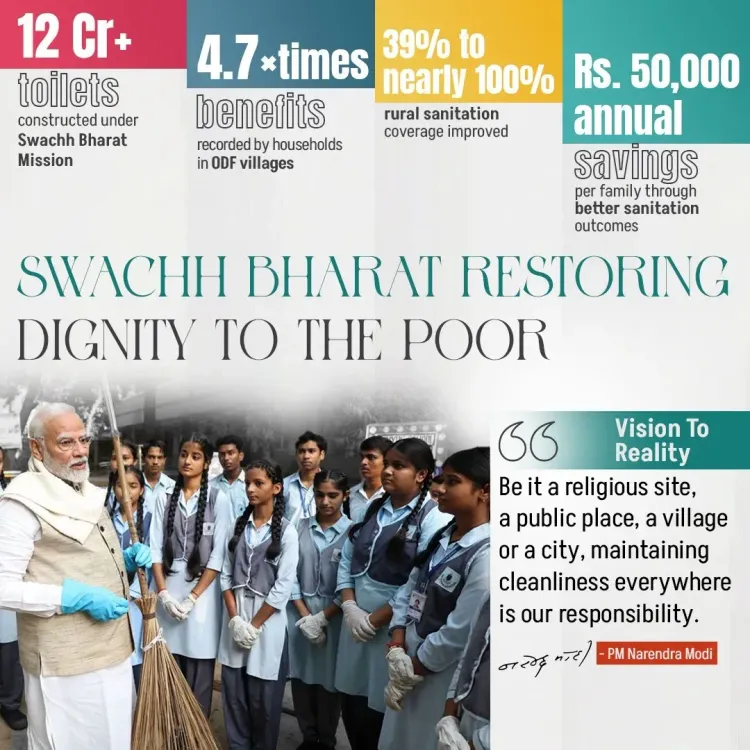
Union Jal Shakti Minister C. R. Paatil has marked 12 years of Garib Kalyan by lauding Swachh Bharat Mission for constructing over 12 crore toilets and transforming sanitation into a movement of dignity, health, and empowerment for crores of poor Indian families.
Key Takeaways
Paatil , Union Jal Shakti Minister, posted on 8 June 2026 to mark the #12YearsOfGaribKalyan milestone.
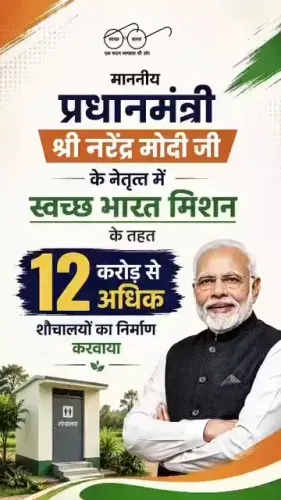
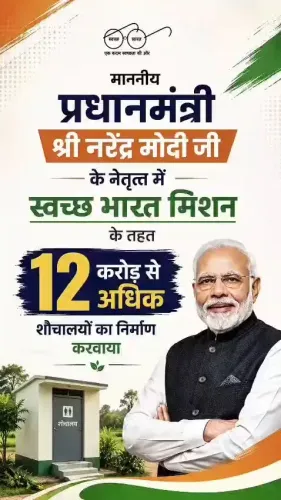
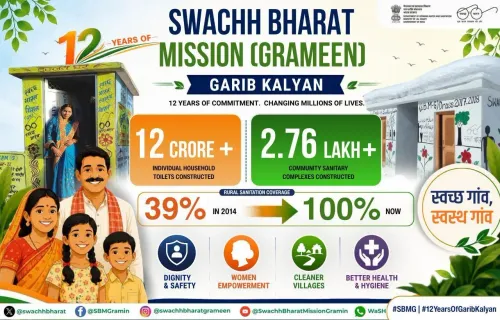
He credited Swachh Bharat Mission with constructing more than 12 crore toilets across India over the past 12 years.
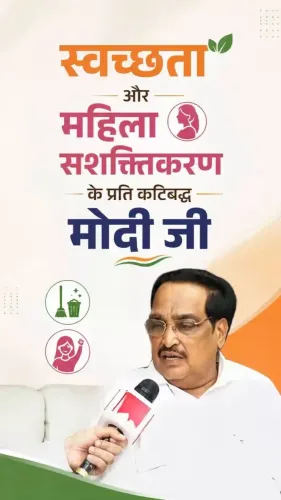
The minister highlighted gains in women's safety , children's health , and family quality of life as direct outcomes of the mission.
Swachh Bharat Mission (Gramin) was launched on 2 October 2014 and declared India open-defecation-free by 2019 before entering Phase II.
Phase II focuses on sustaining ODF status and integrating sanitation with water supply under the Jal Jeevan Mission .
Paatil linked the mission's outcomes to the broader Viksit Bharat 2047 vision, framing sanitation as a path to national development.
Union Jal Shakti Minister C. R. Paatil on Monday, 8 June 2026 marked the #12YearsOfGaribKalyan milestone by crediting Swachh Bharat Mission with delivering not just sanitation infrastructure but dignity, health, and empowerment to crores of poor families across India.
Context
Posting in Hindi on X, Paatil wrote: 'स्वच्छ भारत मिशन ने केवल स्वच्छता का विस्तार नहीं किया, बल्कि करोड़ों गरीब परिवारों के जीवन में सम्मान, स्वास्थ्य और गरिमा का संचार किया है' — 'Swachh Bharat Mission has not merely expanded cleanliness; it has infused dignity, health, and self-respect into the lives of crores of poor families.' He cited the construction of more than 12 crore toilets nationwide, an unprecedented rise in rural sanitation coverage, and the transformation of cleanliness into a mass people's movement over the past 12 years. The post was part of a broader BJP-led commemoration of twelve years of welfare governance under Prime Minister Narendra Modi.
Policy Backdrop
Swachh Bharat Mission (Gramin) was launched on 2 October 2014 — the birth anniversary of Mahatma Gandhi — with the stated aim of making India open-defecation-free by October 2019. The government declared that target achieved, reporting construction of over 10 crore toilets and ODF status for villages across the country before the mission entered its second phase. Phase II shifted focus from toilet construction targets toward sustaining ODF status, managing solid and liquid waste, and integrating sanitation with drinking-water delivery under the Jal Jeevan Mission, both of which fall under the Jal Shakti Ministry that Paatil now heads.
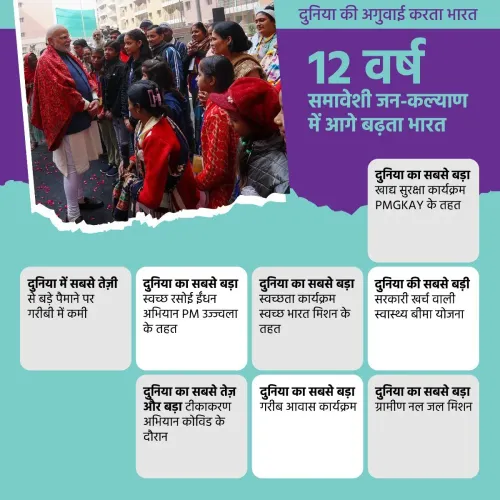
The #GaribKalyan framing — 'welfare of the poor' — has been central to the BJP's political communication since 2014, clustering programmes such as Swachh Bharat, Ujjwala, PM Awas, and Jan Dhan under a single narrative of inclusive development. Paatil's post explicitly links sanitation outcomes to poverty alleviation and to the long-term vision of a Viksit Bharat (Developed India) by 2047.
Stakeholders and Impact
Paatil specifically highlighted improvements in women's safety, children's health, and overall family quality of life as outcomes of the mission — a framing that echoes public-health research linking open defecation to child stunting, waterborne disease, and the safety risks faced by women and girls who lack household toilets. Rural households across states have been the primary beneficiaries of toilet-construction subsidies and behaviour-change campaigns run under the scheme. The minister described the trajectory as one moving from 'sanitation to dignity, dignity to empowerment, and empowerment to the path of a Viksit Bharat' — 'स्वच्छता से सम्मान, सम्मान से सशक्तिकरण और सशक्तिकरण से विकसित भारत का मार्ग प्रशस्त हो रहा है'.
Under Prime Minister Modi's leadership, Paatil said, cleanliness has been established as a civic duty and a social value — 'नागरिक कर्तव्य और सामाजिक संस्कार' — signalling that the government views behavioural change, not just infrastructure, as the mission's lasting legacy.
What's Next
With Phase II of Swachh Bharat Mission (Gramin) ongoing, attention will turn to sustainability indicators: whether ODF villages maintain open-defecation-free status, how solid and liquid waste management targets are met, and what allocations the next Union Budget or NITI Aayog reviews assign to rural sanitation. Any fresh targets or funding announcements linked to the Viksit Bharat 2047 roadmap will be closely watched by state governments and rural-development stakeholders. Paatil's post, framed as a celebration of twelve years of welfare governance, also sets the political tone for continued messaging around the BJP's social-infrastructure record ahead of future electoral cycles.
Point of View
The Jal Shakti Ministry is signalling that Phase II will be sold on social outcomes — women's safety, child health — rather than toilet-count targets alone. The invocation of 'Viksit Bharat' ties a decade-old sanitation drive to a forward-looking 2047 vision, extending its political relevance well beyond its original 2019 deadline. This pattern of reframing completed schemes as ongoing movements is a consistent feature of the Modi government's welfare communication strategy.
NationPress
24 Sept 2026
Frequently Asked Questions
What is Swachh Bharat Mission and when was it launched?
Swachh Bharat Mission is a national sanitation programme launched by Prime Minister Narendra Modi on 2 October 2014 to eliminate open defecation in India through toilet construction and behaviour change campaigns.
How many toilets have been built under Swachh Bharat Mission?
Union Jal Shakti Minister C. R. Paatil stated that more than 12 crore toilets have been constructed across India under Swachh Bharat Mission over the past 12 years, though official government data should be consulted for precise verified figures.
What is Swachh Bharat Mission Phase II?
Phase II of Swachh Bharat Mission (Gramin) shifts focus from initial toilet construction to sustaining open-defecation-free status, managing solid and liquid waste, and integrating sanitation with drinking-water supply under the Jal Jeevan Mission.
What is the #12YearsOfGaribKalyan hashtag about?
#12YearsOfGaribKalyan marks 12 years of the BJP-led government's welfare governance under Prime Minister Narendra Modi, commemorating schemes like Swachh Bharat Mission, Ujjwala, and others grouped under the 'Garib Kalyan' or welfare-of-the-poor narrative.
Why is Jal Shakti Ministry involved in Swachh Bharat Mission?
The Jal Shakti Ministry oversees both rural sanitation programmes, including Swachh Bharat Mission (Gramin), and the Jal Jeevan Mission for drinking water, making it the nodal ministry for integrated water and sanitation delivery in rural India.