Jal Shakti Minister CR Paatil Marks 12 Years of Garib Kalyan
Synopsis
Union Jal Shakti Minister C. R. Paatil marked twelve years of the Modi government's Garib Kalyan agenda on June 8, 2026, citing Jan Dhan, Swachh Bharat, Jal Jeevan Mission, Ayushman Bharat, and PM Awas Yojana as milestones in delivering development to the last person in the queue.
Key Takeaways
Union Jal Shakti Minister C.
Paatil posted on June 8, 2026 to mark 12 years of the Modi government's Garib Kalyan welfare drive.
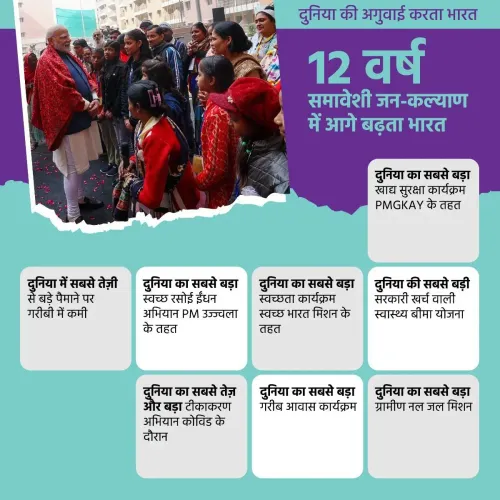
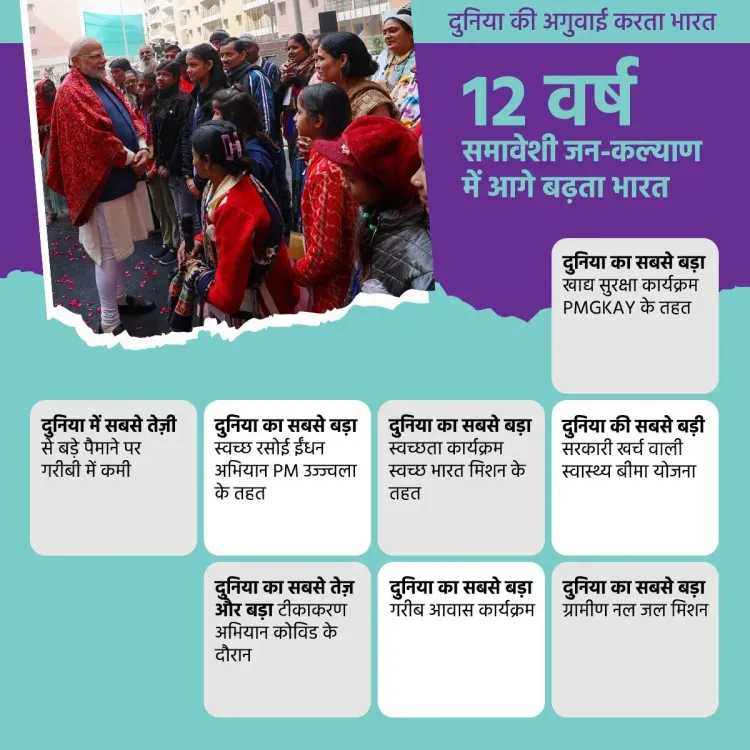
He named six flagship schemes: Jan Dhan Yojana , Ujjwala Yojana , Swachh Bharat Mission , Jal Jeevan Mission , PM Awas Yojana , and Ayushman Bharat .
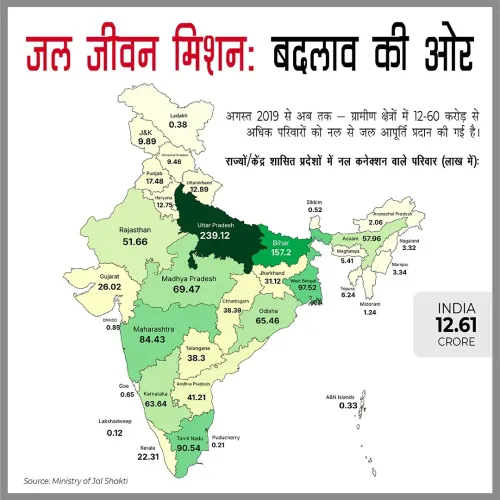
Jal Jeevan Mission , under Paatil's own ministry, targets functional tap-water connections to all rural households and was approved by the Union Cabinet in 2019 .
Ayushman Bharat provides health cover of up to Rs 5 lakh per family per year to economically vulnerable households.
The post frames the welfare record under the Antyodaya principle — ensuring no eligible person is left behind on the road to Viksit Bharat 2047 .
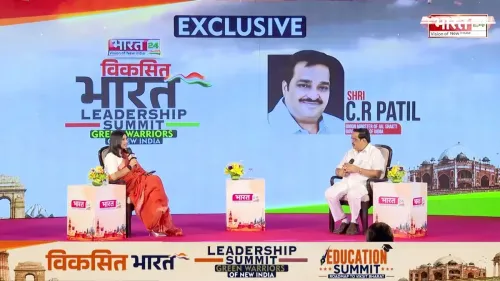
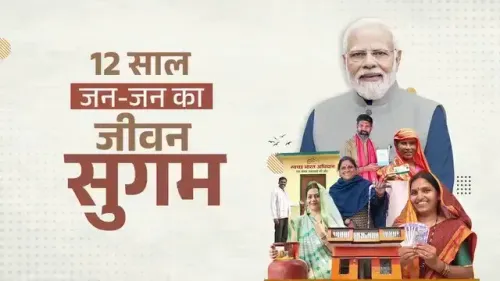
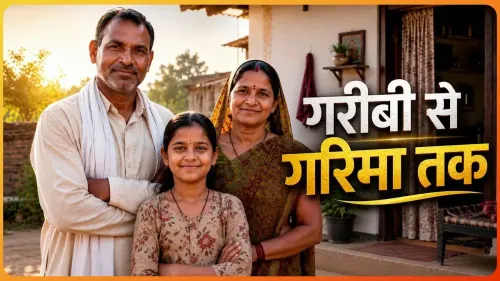
Union Jal Shakti Minister C. R. Paatil on Monday, June 8, 2026, marked twelve years of the Modi government's welfare agenda, crediting flagship schemes with transforming the lives of crores of families across India. Posting under the hashtag #12YearsOfGaribKalyan, the senior BJP leader highlighted water, sanitation, health, housing, and financial inclusion as the pillars of what he called a new chapter in pro-poor governance.
Context
Paatil's post, written in Hindi, states that over the past twelve years, 'India has written a new chapter in the field of Garib Kalyan under the leadership of Prime Minister Narendra Modi.' He specifically names Jan Dhan Yojana, Ujjwala Yojana, Swachh Bharat Mission, Jal Jeevan Mission, Pradhan Mantri Awas Yojana, and Ayushman Bharat as schemes that have brought positive change to crores of families. The post closes with the assertion that the empowerment of the poor, the deprived, and the needy is 'the greatest strength of the new India.'
The minister invokes the government's governing philosophy — 'Sabka Saath, Sabka Vikas, Sabka Vishwas aur Sabka Prayas' ('Together with all, development for all, trust of all, and effort of all') — framing Garib Kalyan as the foundation of good governance and the road to Viksit Bharat (Developed India).
Policy Backdrop
Pradhan Mantri Jan Dhan Yojana, announced on 15 August 2014, was among the first large-scale moves to bring unbanked households into the formal financial system. It was followed within weeks by the Swachh Bharat Mission, launched on 2 October 2014, which targeted the elimination of open defecation nationwide.
Ayushman Bharat Pradhan Mantri Jan Arogya Yojana, rolled out in September 2018, extended health cover of up to Rs 5 lakh per family per year to the economically vulnerable, covering secondary and tertiary hospitalisation. Jal Jeevan Mission, approved by the Union Cabinet in 2019 and administered by the Ministry of Jal Shakti, set an ambitious target of providing functional household tap connections to every rural habitation, making it directly relevant to Paatil's own ministerial portfolio. Pradhan Mantri Awas Yojana, launched in 2015, aimed to provide pucca houses to eligible rural and urban poor households.
Collectively, these schemes represent a deliberate bundling of sectoral programmes under an overarching Antyodaya framework — a BJP ideological commitment to prioritising the last person in the queue — which has been central to the party's governance and electoral messaging since 2014.
Stakeholders and Impact
The primary beneficiaries of the schemes cited are rural households, urban poor families, and last-mile communities that historically lacked access to banking, clean water, sanitation infrastructure, and formal health cover. Jal Jeevan Mission, in particular, has a direct bearing on Paatil's ministerial responsibilities, making his endorsement of the twelve-year welfare record both a political statement and a departmental one.
Civil society groups and opposition parties have at various points contested the pace and quality of on-ground delivery, particularly for housing and water connections, though the government has consistently cited rising beneficiary counts as evidence of progress. No fresh numerical claims appear in Paatil's post itself, which keeps the framing broadly qualitative.
What's Next
The Ministry of Jal Shakti is expected to release its next annual progress report on Jal Jeevan Mission coverage, which will offer independently verifiable data on how close the programme has come to its universal tap-water target. Any supplementary allocations in the 2026-27 Union Budget for welfare schemes will also be closely watched as a signal of the government's continued commitment to the Garib Kalyan agenda. As the Viksit Bharat 2047 deadline approaches, the political salience of last-mile delivery metrics is only set to grow.
Point of View
The minister ties his own portfolio — Jal Jeevan Mission — to a broader governance narrative that the party has cultivated since 2014. The qualitative framing, notably the absence of specific coverage numbers, keeps the message aspirational rather than auditable, a deliberate choice that insulates it from fact-check challenges. The hashtag alignment with #ViksitBharat signals that Garib Kalyan is being repositioned not as a poverty-relief measure but as the foundation of India's developed-nation ambition by 2047.
NationPress
24 Sept 2026
Frequently Asked Questions
What is the #12YearsOfGaribKalyan hashtag about?
The hashtag marks twelve years of the Modi government's welfare programmes since it came to power in May 2014, with ministers and BJP leaders posting to highlight schemes like Jan Dhan, Jal Jeevan Mission, and Ayushman Bharat.
What is Jal Jeevan Mission and who oversees it?
Jal Jeevan Mission is a central government scheme launched in 2019 to provide functional household tap connections to all rural habitations in India; it is administered by the Ministry of Jal Shakti, currently headed by Minister C. R. Paatil.
What does Ayushman Bharat offer to beneficiaries?
Ayushman Bharat Pradhan Mantri Jan Arogya Yojana provides health insurance cover of up to Rs 5 lakh per family per year for secondary and tertiary hospitalisation to economically vulnerable households.
When was Pradhan Mantri Jan Dhan Yojana launched?
Pradhan Mantri Jan Dhan Yojana was announced on 15 August 2014 to bring unbanked households into the formal financial system through zero-balance bank accounts.
What is Viksit Bharat and how does it relate to Garib Kalyan?
Viksit Bharat, or Developed India, is the government's overarching goal of making India a developed nation by 2047; welfare schemes under the Garib Kalyan umbrella are framed as the foundation for achieving inclusive growth on that path.