Jal Shakti Minister Paatil defends Jal Jeevan Mission record
Synopsis
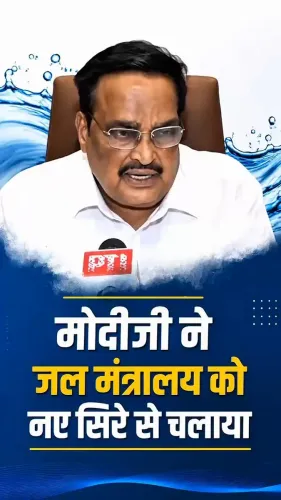
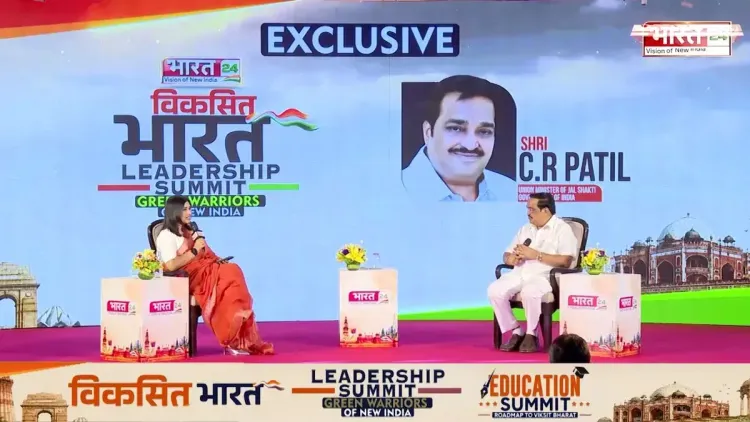
Union Jal Shakti Minister C. R. Paatil on 25 June 2026 defended the Jal Jeevan Mission on X, saying PM Modi's 2019 scheme is delivering clean, quality tap water to crores of rural families and rebutting opposition criticism of the government's basic-services record.
Key Takeaways
Union Jal Shakti Minister C.
Paatil posted on X on 25 June 2026 defending the Jal Jeevan Mission .
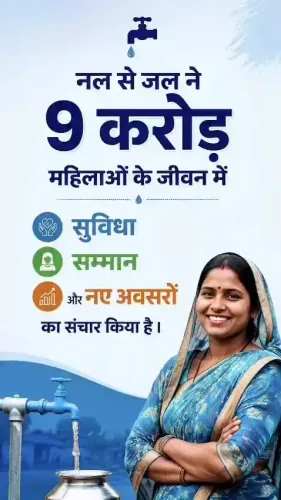
He said the mission, launched in 2019 under PM Narendra Modi , is bringing 'unprecedented change' to crores of Indian families.
Paatil drew a distinction between providing tap connections and ensuring 'clean and quality water' reaches every household.
He criticised the opposition for questioning government efforts despite, he said, failing to deliver basic amenities during decades in power.
The Ministry of Jal Shakti is expected to release updated coverage data that will allow independent assessment of scheme progress.
The policy focus is shifting from speed of installation to the sustainability and quality of water supply at the household level.
Union Jal Shakti Minister C. R. Paatil on Thursday, 25 June 2026 defended the Jal Jeevan Mission, asserting that the scheme is delivering 'unprecedented change' in the lives of crores of Indian families and pushing back against opposition criticism of the government's water-delivery record.
Context
Posting on X, Minister Paatil wrote in Hindi: 'विपक्ष का काम केवल आलोचना करना है, लेकिन हमारा ध्यान राष्ट्र के धरातल पर सकारात्मक बदलाव लाने पर है' — ('The opposition's job is only to criticise, but our focus is on bringing positive change on the ground for the nation'). He directed the criticism squarely at parties that, he said, remained in power for decades without providing citizens with basic amenities.
Paatil specifically highlighted that those who 'failed to provide basic facilities to the country's citizens despite being in power for decades are today questioning our efforts.' The remark is consistent with the ruling party's broader messaging that frames current infrastructure delivery against what it characterises as prior governmental neglect.
Policy Backdrop
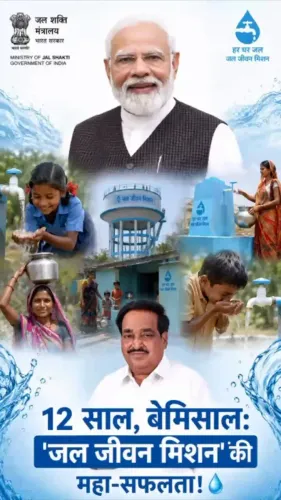
The Jal Jeevan Mission was announced in the 2019 Union Budget and launched under Prime Minister Narendra Modi with the stated objective of providing a functional household tap connection to every rural home in India. Paatil credited Modi's leadership directly, writing that the mission 'launched in 2019' is now transforming the lives of 'crores of families across the country.'
The minister drew a distinction between mere infrastructure and quality of service: 'We are not just providing a tap connection, but ensuring that clean and quality water reaches every household.' This framing positions the scheme not as a numbers exercise but as a quality-of-life intervention, a recurring theme in the government's communication around basic-services programmes.
The Jal Jeevan Mission sits within a wider pattern of large-scale rural infrastructure drives under the current administration, following earlier campaigns on rural sanitation and household electrification. Water access has been positioned as the next frontier in that continuum.
Stakeholders and Impact
Rural households across India are the primary beneficiaries of the scheme, with state governments serving as implementation partners responsible for last-mile delivery. The mission's progress is tracked through functional household tap connections, and periodic coverage data released by the Ministry of Jal Shakti serves as the principal measure of performance.
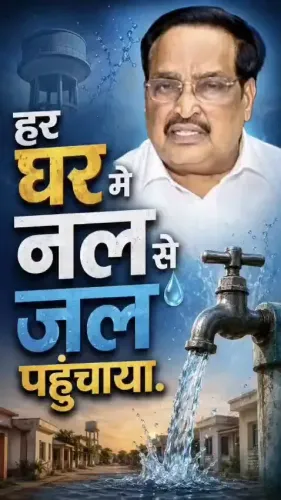
The minister's post, which accompanied a video, signals continued political emphasis on communicating scheme outcomes to voters ahead of any future electoral cycle. Opposition parties have at various points questioned both the pace of connections and the quality and regularity of water supply, the very point Paatil sought to address in his post.
What's Next
Attention will now turn to the Ministry of Jal Shakti's next release of updated Jal Jeevan Mission coverage data, which will provide independently trackable numbers on household tap connections. Any revisions to scheme funding in the forthcoming Union Budget will also be closely watched as an indicator of the government's continued commitment to the programme's targets.
With the mission now in its seventh year, the policy debate is shifting from the pace of connection installation to the sustainability and quality of water supply — a challenge that will define the scheme's long-term legacy.
Point of View
A combination that has defined BJP's basic-services messaging since 2014. By emphasising quality over quantity — 'not just a tap connection, but clean and quality water' — the government is pre-emptively shifting the goalposts of accountability from raw connection numbers to service standards. This is politically shrewd because it reframes any future data shortfall on connections as a deliberate pivot to quality. The post's timing, accompanied by a video, suggests a coordinated content push rather than a spontaneous reaction, reinforcing that Jal Jeevan Mission remains a flagship electoral asset for the ruling party.
NationPress
24 Sept 2026
Frequently Asked Questions
What is the Jal Jeevan Mission?
The Jal Jeevan Mission is a central government scheme launched in 2019 under Prime Minister Narendra Modi to provide functional household tap connections with clean drinking water to every rural home in India.
What did C. R. Paatil say about the Jal Jeevan Mission on 25 June 2026?
Minister C. R. Paatil said the Jal Jeevan Mission is bringing unprecedented change to crores of families and that the government is focused not just on tap connections but on ensuring clean, quality water reaches every household.
Why did Paatil criticise the opposition in his post?
Paatil said parties that remained in power for decades failed to provide citizens with basic amenities and are now questioning the current government's efforts, framing their criticism as lacking credibility.
Which ministry is responsible for the Jal Jeevan Mission?
The Ministry of Jal Shakti, currently headed by Union Minister C. R. Paatil, is responsible for overseeing and implementing the Jal Jeevan Mission.
What will indicate the future progress of the Jal Jeevan Mission?
Updated coverage data released by the Ministry of Jal Shakti and any revisions to scheme funding in the next Union Budget will be key indicators of the programme's progress and the government's commitment to it.