Jal Shakti Minister Paatil: JJM Brought Dignity to 9 Cr Women
Synopsis
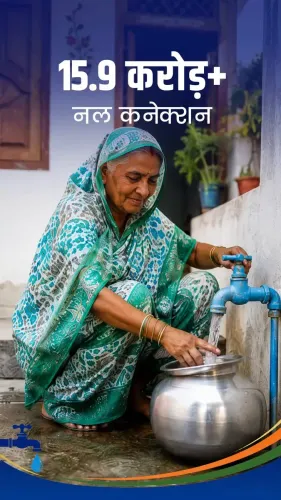
Union Jal Shakti Minister C. R. Paatil, marking the BJP government's 12-year milestone, says the Jal Jeevan Mission has transformed the lives of 9 crore women by delivering tap-water access, convenience, and dignity to rural India.
Key Takeaways
Union Jal Shakti Minister C.
Paatil credited the Jal Jeevan Mission with benefiting 9 crore women across India.
The claim was made on 13 June 2026 as part of the #12YearsOfSeva campaign marking twelve years of the Modi government.
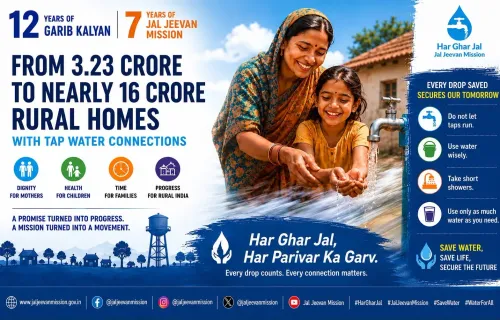
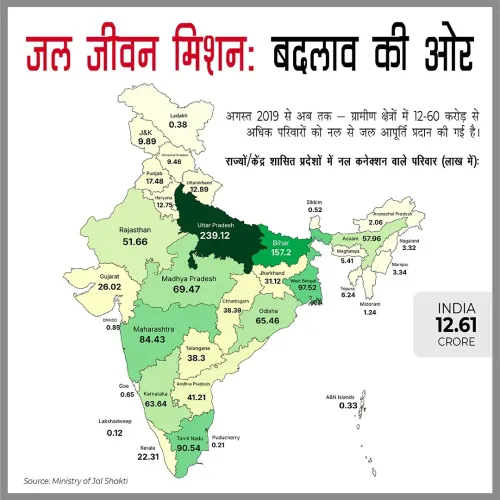
The Jal Jeevan Mission was launched in August 2019 to provide functional household tap connections to every rural home.
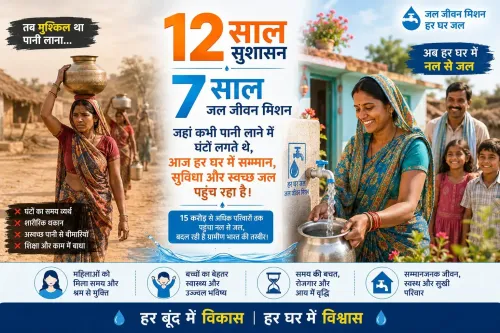
The ministry frames tap-water access as a social-equity tool that reduces women's water-collection burden and opens new opportunities.
Scheme sustainability and water-quality compliance are expected to face scrutiny in the upcoming monsoon session of Parliament .
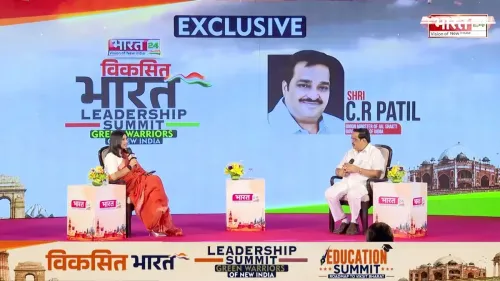
Union Jal Shakti Minister C. R. Paatil on Saturday, 13 June 2026 credited the Jal Jeevan Mission (JJM) with transforming the lives of 9 crore women across India, saying tap-water access had delivered convenience, dignity, and new opportunities to rural households. The statement was made on the occasion of the #12YearsOfSeva campaign, which marks twelve years of the Narendra Modi government's welfare delivery narrative.
Context
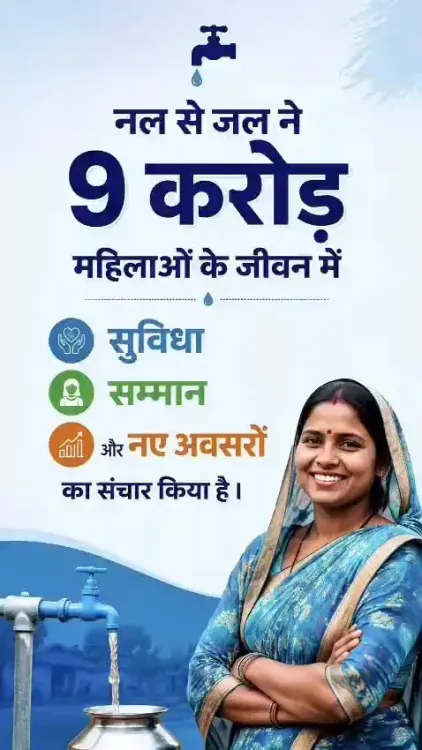
Paatil's post, written in Hindi, states: 'Nal se Jal ne 9 crore mahilaon ke jeevan mein suvidha, samman aur naye avaron ka sanchar kiya hai' ('Tap water has infused convenience, dignity, and new opportunities into the lives of 9 crore women'). The remark was pegged to the ruling party's ongoing commemoration of a dozen years in government at the Centre. The #12YearsOfSeva hashtag has been used widely by BJP leaders to highlight flagship welfare schemes since May 2026.
Policy Backdrop
The Jal Jeevan Mission was launched by Prime Minister Narendra Modi in August 2019 with the goal of providing a functional household tap connection to every rural home in India. It built on the earlier National Rural Drinking Water Programme, which had struggled with coverage gaps and quality issues in remote areas. The Ministry of Jal Shakti has consistently framed JJM's progress not merely as an infrastructure milestone but as a social-equity intervention, particularly for women who historically bore the burden of fetching water over long distances.
Under Paatil's tenure as Union Jal Shakti Minister, the ministry has continued to emphasise the scheme's gendered impact — arguing that reliable tap access frees women from hours of daily water-collection labour, enabling them to pursue education, livelihoods, and self-care. The government has also extended the mission's ambit to include urban components, broadening its potential reach beyond the original rural mandate.
Stakeholders and Impact
Rural women and village households are the primary stakeholders cited in the government's JJM communications. By reducing the time and physical effort spent on water collection — a task that in many regions fell almost exclusively on women and girls — the scheme is positioned as a driver of female workforce participation and improved household health outcomes. 9 crore is the figure Paatil has cited as the number of women whose lives have been meaningfully changed by tap-water access under the mission.
Village-level water and sanitation committees, gram panchayats, and state governments are co-implementers of JJM, and their operational capacity directly affects whether connections remain functional over time. Sustainability of supply — ensuring pipes carry water reliably rather than sitting dry — has been a recurring concern raised by legislators and civil-society monitors.
What's Next
The Ministry of Jal Shakti is expected to release its next quarterly coverage data update, which will offer an independent check on the scheme's on-ground progress. The upcoming monsoon session of Parliament is likely to see questions on scheme sustainability, slippage in coverage, and water-quality compliance across states. Paatil's social-media framing ahead of that session signals the government intends to keep JJM's women-centric narrative front and centre in its political communication.
Point of View
Particularly around women's empowerment — a frame that has proven electorally durable since 2014. By anchoring the claim to a specific figure of 9 crore women, the minister moves the conversation from engineering metrics to human impact, making the scheme harder to contest on purely technical grounds. The timing, tied to the #12YearsOfSeva milestone, suggests a coordinated effort to build a pre-monsoon-session record that ministers can cite against opposition criticism on rural water access. Whether the 9-crore figure withstands parliamentary scrutiny will determine how much political mileage the government can extract from it.
NationPress
21 Sept 2026
Frequently Asked Questions
What is the Jal Jeevan Mission and who does it benefit?
The Jal Jeevan Mission is a Central government scheme launched in August 2019 to provide functional household tap connections to every rural home in India. It primarily benefits rural women and families who previously had to travel long distances to fetch water.
What did C. R. Paatil say about Jal Jeevan Mission on 13 June 2026?
Jal Shakti Minister C. R. Paatil said on 13 June 2026 that the Jal Jeevan Mission had brought convenience, dignity, and new opportunities to the lives of 9 crore women across India.
What is #12YearsOfSeva?
#12YearsOfSeva is a hashtag campaign used by BJP leaders to mark twelve years of the Narendra Modi government at the Centre, highlighting flagship welfare and infrastructure schemes delivered during that period.
How does tap water access help rural women in India?
Reliable tap-water access reduces the hours women spend collecting water from distant sources, freeing time for education, livelihoods, and self-care. The government has consistently cited this time-saving and dignity argument in its Jal Jeevan Mission communications.
What are the concerns about Jal Jeevan Mission sustainability?
A recurring concern is whether installed pipe connections remain functional over time, delivering water reliably rather than sitting dry. Scheme sustainability, water-quality compliance, and coverage slippage are expected to be raised during the monsoon session of Parliament.