Jal Shakti Minister CR Paatil hails JJM's 12.60 cr rural tap links
Synopsis
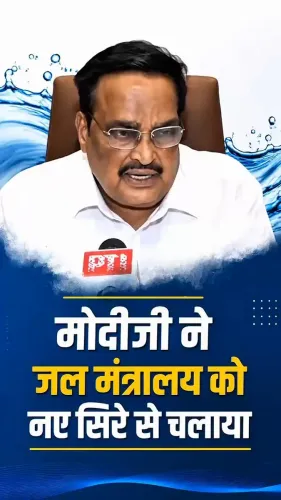
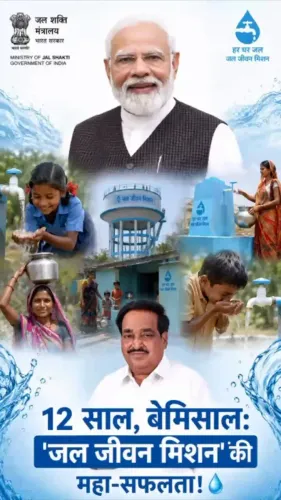
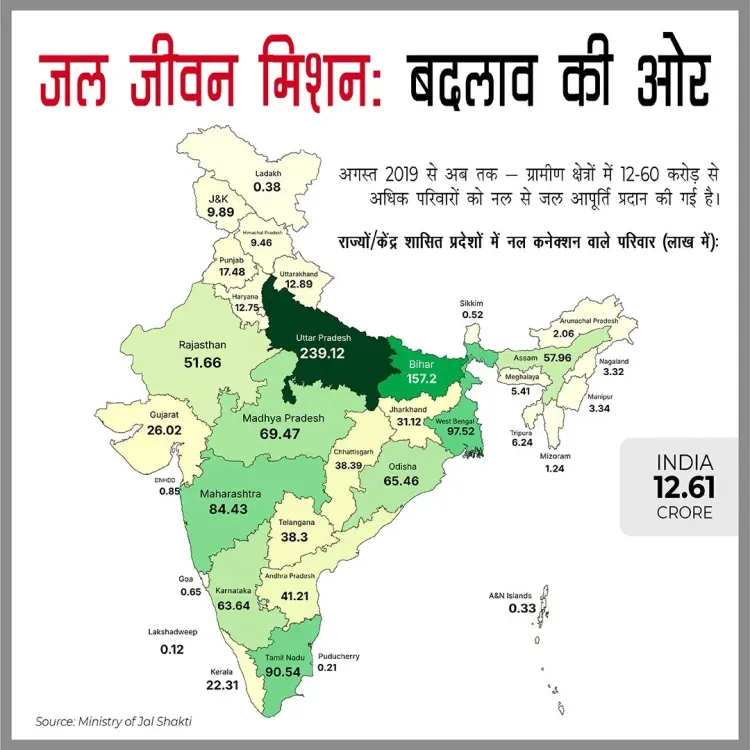
Union Jal Shakti Minister C. R. Paatil has highlighted that Jal Jeevan Mission, launched in 2019 under PM Modi, has extended piped drinking water to more than 12.60 crore rural families. He described the scheme as a pillar of the Viksit Bharat vision and a campaign for women's dignity and rural well-being.
Key Takeaways
Paatil , Union Minister of Jal Shakti, posted on 8 June 2026 marking #12YearsOfGaribKalyan and highlighting JJM's reach.
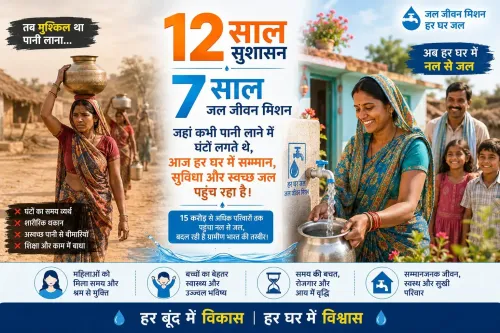
Jal Jeevan Mission , launched in 2019 , has provided tap-water connections to over 12.60 crore rural households , according to the minister.
The scheme was designed as a revamp of the earlier National Rural Drinking Water Programme and is jointly implemented by the Centre and states.
Paatil framed JJM as a welfare mission centred on women's dignity , health improvement, and time-saving for rural families.
The mission is positioned as a foundation of the Viksit Bharat 2047 development vision, alongside Swachh Bharat and Ujjwala.
Quarterly coverage reports from the Ministry of Jal Shakti and state-level reviews are expected ahead of the 2026-27 budget cycle .
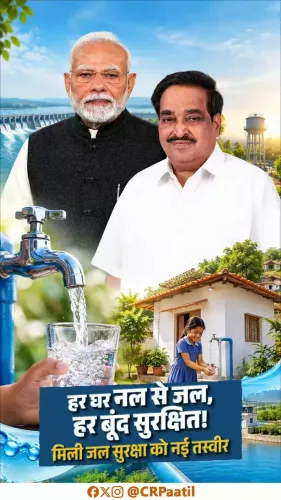
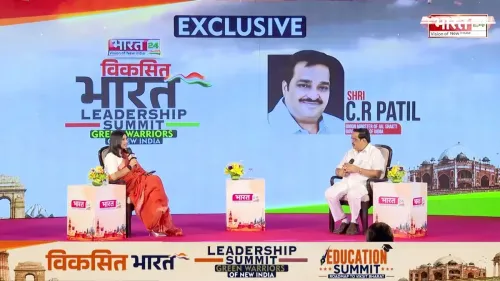
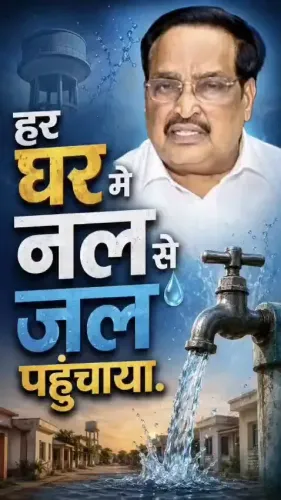
Union Jal Shakti Minister C. R. Paatil on Monday, 8 June 2026, credited the Jal Jeevan Mission (JJM) with delivering functional tap-water connections to more than 12.60 crore rural households across India, calling the scheme a 'historic step toward transformation' under Prime Minister Narendra Modi.
Context
Paatil's post, shared under the hashtag #12YearsOfGaribKalyan, described JJM as not merely a water-supply scheme but a 'comprehensive campaign for women's dignity, better health, time-saving, and improvement in quality of life.' He noted that households that once had to travel long distances for water now receive piped supply at home — 'jal jeevan mission: badlaav ki or ek aitihasik kadam' ('Jal Jeevan Mission: a historic step toward change').
The minister quoted the mission's guiding slogan: 'Har ghar tak jal, har parivaar tak sammaan' — 'Water to every home, dignity to every family' — framing it as the identity of a new India.
Policy Backdrop
Jal Jeevan Mission was announced in the 2019-20 Union Budget as a revamp of the earlier National Rural Drinking Water Programme, with the stated goal of providing a Functional Household Tap Connection (FHTC) to every rural home. The scheme sits alongside Swachh Bharat Mission and Pradhan Mantri Ujjwala Yojana as a flagship welfare intervention branded under the Garib Kalyan umbrella.
Since 2014, the central government has prioritised large-scale rural-infrastructure programmes that combine physical assets with measurable social outcomes, particularly time-saving for women and public-health gains from clean drinking water. Paatil invoked the principle of Antyodaya — ensuring that the benefits of development reach the last person in society — and jan-bhaagidaari (people's participation) as the philosophical pillars of the mission's design.
Stakeholders and Impact
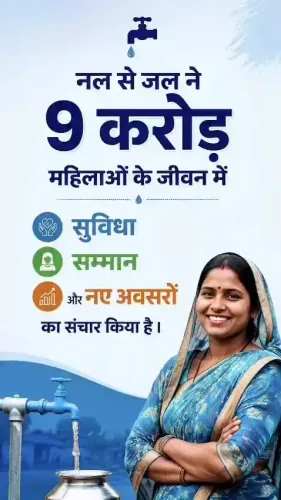
The primary beneficiaries are rural households, with village women identified as the most direct gainers: eliminating daily water-fetching trips reduces physical burden and frees time for education and livelihood activities. Public-health researchers have linked reliable access to clean piped water with reductions in waterborne diseases such as diarrhoea and cholera, particularly among children under five.
The mission is implemented jointly by the Ministry of Jal Shakti and state governments, with village-level water and sanitation committees managing local infrastructure. The Viksit Bharat 2047 vision — the government's roadmap for a fully developed India by the centenary of Independence — is frequently cited by ministers as the macro-framework within which JJM's rural-infrastructure gains are positioned.
What's Next
The Ministry of Jal Shakti is expected to release quarterly coverage reports tracking the pace of new connections and functional status of existing infrastructure. State-level implementation reviews are anticipated ahead of the 2026-27 budget cycle, which will determine the next tranche of central funding for the scheme.
Paatil's post signals that JJM will remain a centrepiece of the ruling party's Garib Kalyan narrative heading into the next electoral season, with rural water access increasingly framed as a governance benchmark alongside sanitation and cooking-gas coverage.
Point of View
Timed to the '12 Years of Garib Kalyan' campaign that the BJP uses to consolidate its welfare-delivery narrative ahead of electoral cycles. By anchoring the post in the Antyodaya principle, the minister connects a technocratic infrastructure metric — tap connections — to a moral claim about inclusive development, a framing that has proved durable with rural voter blocs. The invocation of Viksit Bharat 2047 signals that JJM is being repositioned from a standalone scheme into a long-arc national project, insulating it from short-term political disruption. Watch whether the ministry releases fresh third-party coverage data to substantiate the 12.60 crore figure, as independent verification will determine how robustly this claim holds up in policy debate.
NationPress
26 Sept 2026
Frequently Asked Questions
What is Jal Jeevan Mission and when was it launched?
Jal Jeevan Mission is a central government programme launched in 2019 to provide a Functional Household Tap Connection for drinking water to every rural household in India. It replaced the earlier National Rural Drinking Water Programme and is administered by the Ministry of Jal Shakti.
How many rural households have received tap water under Jal Jeevan Mission?
Union Jal Shakti Minister C. R. Paatil stated on 8 June 2026 that more than 12.60 crore rural households have been provided tap-water connections under the mission.
Who is C. R. Paatil and what ministry does he head?
C. R. Paatil is a senior BJP leader, former Gujarat BJP state president, and currently the Union Minister of Jal Shakti , the ministry responsible for water resources and drinking water supply in India.
What is the Viksit Bharat 2047 vision linked to Jal Jeevan Mission?
Viksit Bharat 2047 is the central government's roadmap to make India a fully developed nation by the centenary of Independence. Rural infrastructure schemes like Jal Jeevan Mission are positioned as foundational steps toward this goal.
What does Garib Kalyan mean in the context of government schemes?
Garib Kalyan translates to 'welfare of the poor' and is the umbrella branding the BJP government uses for flagship social-welfare programmes including Jal Jeevan Mission, Swachh Bharat Mission, and Pradhan Mantri Ujjwala Yojana.