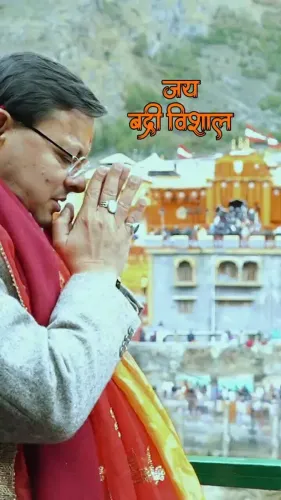
CM Dhami marks Gangotri Dham's winter closure with prayers
Synopsis
Uttarakhand CM Pushkar Singh Dhami marked the winter closure of Gangotri Dham on 10 November 2026 with Vedic prayers, invoking Maa Ganga's blessings. The annual ritual ends the Char Dham pilgrimage season at the high-altitude shrine until May 2027.
Key Takeaways
The portals of Gangotri Dham , one of the four Char Dham shrines, were closed for winter on 10 November 2026 with Vedic rites.
CM Pushkar Singh Dhami offered prayers to Maa Ganga and sought her blessings for peace, prosperity, and good health for all devotees.
The winter closure is a centuries-old tradition that protects the high-altitude shrine and pilgrims from extreme Himalayan weather.
During winter, the presiding deity moves to Mukhba village , where worship continues through the cold months.
The shrine is expected to reopen around May 2027 for the next Char Dham season, likely on Akshaya Tritiya.
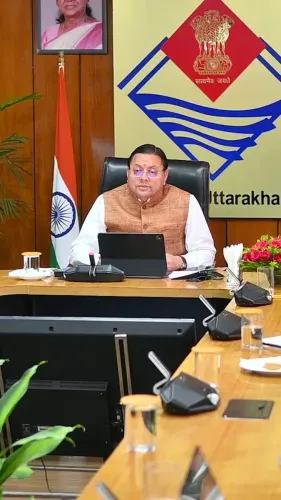
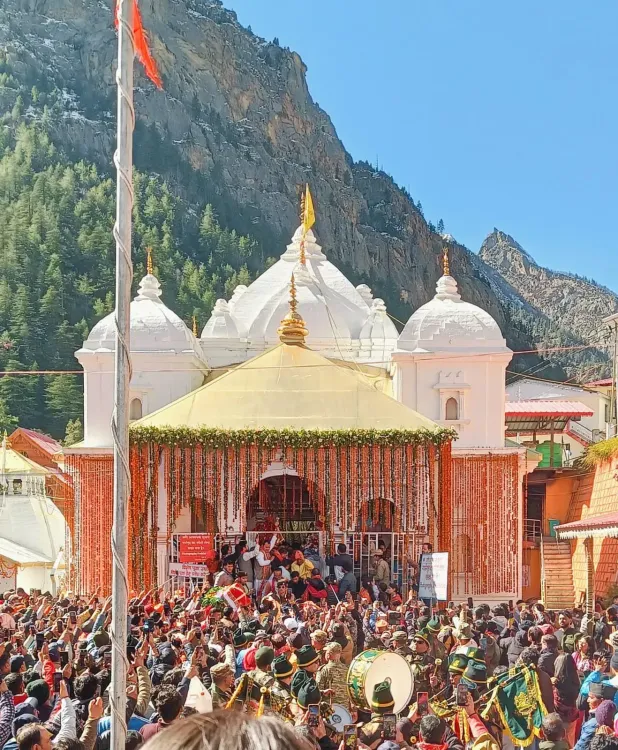
With the chant of Har Har Gange echoing through the high Himalayas, the sacred portals of Gangotri Dham — one of Uttarakhand's four holiest Char Dham shrines — were sealed for winter on Tuesday, 10 November 2026, amid Vedic hymns and ancient rites. Uttarakhand Chief Minister Pushkar Singh Dhami marked the occasion with a heartfelt prayer on X, invoking the blessings of Maa Ganga upon millions of devotees.
Dhami wrote: 'Har Har Gange!' — 'The sacred doors of Shri Gangotri Dham, the centre of the unshakeable faith of crores of devotees and the liberating Mother Ganga, have today been closed for winter with due rites and Vedic chanting. I offer innumerable salutations at the holy feet of Maa Ganga, and pray that her grace and blessings bring happiness, peace, prosperity, and good health into everyone's lives.'
A centuries-old ritual at 3,100 metres
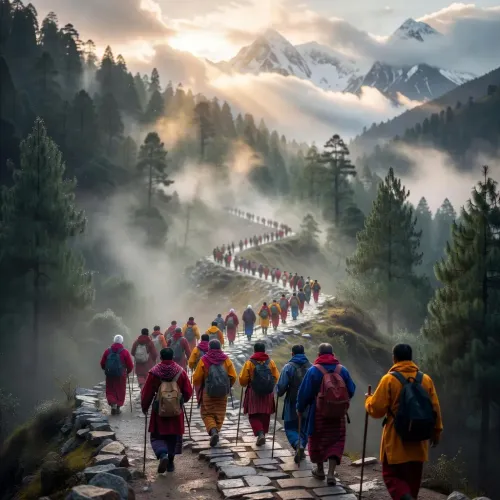
Gangotri Dham, perched at roughly 3,100 metres above sea level in Uttarkashi district, marks the site where the Ganga is believed to have descended to earth — making it among the most spiritually charged addresses in Hinduism. The winter closure is not a modern administrative decision; it follows a tradition stretching back centuries, designed to protect both the shrine and pilgrims from the brutal Himalayan winter that blankets the region in deep snow from November through April.
When the portals shut each autumn, the presiding deity is ceremonially moved to Mukhba village, the winter seat of Goddess Ganga, where worship continues through the cold months. The ritual is conducted with precise Vedic protocol — the same choreography observed for generations before Uttarakhand became a state in 2000.
Gangotri's place in the Char Dham circuit
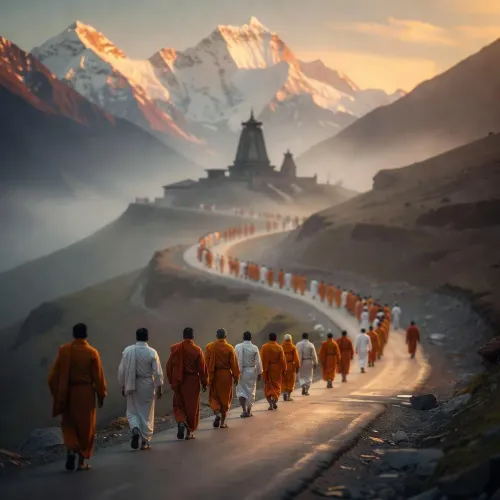
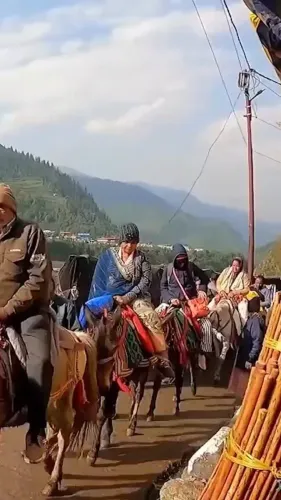
Gangotri is one of four shrines — alongside Badrinath, Kedarnath, and Yamunotri — that together form the Char Dham Yatra, arguably India's most demanding and revered annual pilgrimage. The circuit draws millions of Hindu pilgrims each year, making it a defining event for both the state's spiritual identity and its tourism economy. Uttarakhand governments across political cycles have treated the opening and closing of these shrines as occasions of state significance, with chief ministers routinely offering official acknowledgement.
Dhami, a devout and publicly expressive BJP leader, has consistently used such moments to reinforce the government's custodial role over the state's sacred geography — a posture that resonates deeply in a state where religious pilgrimage is both a cultural pillar and an economic engine.
What devotees can expect next
The portals of Gangotri Dham are expected to reopen for the 2027 Char Dham season around May 2027, as determined by the Hindu calendar — typically the auspicious occasion of Akshaya Tritiya. Until then, the high-altitude shrine will lie under snow, holding its silence until spring thaws the approach roads and pilgrims begin the climb once more.
For the crores who made the journey this season, the closure marks an ending; for the millions who haven't yet, the countdown to May has already begun.
Point of View
Which forms a significant pillar of Uttarakhand's GDP. As the state eyes infrastructure upgrades along Char Dham routes ahead of the 2027 season, such ceremonial acknowledgements also serve as soft reminders of ongoing state investment in the pilgrimage circuit. The post's wide reach signals that religious-cultural milestones remain prime currency in Uttarakhand's political communication.
NationPress
10 Nov 2026
Frequently Asked Questions
When did Gangotri Dham close for winter in 2026?
Gangotri Dham's portals were closed for the winter season on Tuesday, 10 November 2026 , with Vedic chanting and traditional rites.
When will Gangotri Dham reopen in 2027?
Gangotri Dham is expected to reopen for the 2027 Char Dham Yatra season around May 2027 , traditionally on the auspicious occasion of Akshaya Tritiya as determined by the Hindu calendar.
Where does the Gangotri deity go in winter?
During the winter months, the presiding deity of Gangotri Dham is ceremonially moved to Mukhba village , which serves as the winter seat of Goddess Ganga, where worship continues.
What is the Char Dham Yatra and which shrines are included?
The Char Dham Yatra is Uttarakhand's most sacred annual Hindu pilgrimage, covering four shrines: Gangotri, Yamunotri, Kedarnath, and Badrinath . It draws millions of pilgrims each year.
Why is Gangotri Dham closed in winter?
Gangotri Dham, located at over 3,100 metres in Uttarkashi district, is closed each winter to protect the shrine and pilgrims from extreme Himalayan snowfall and sub-zero temperatures — a tradition that spans centuries.