CM Dhami Addresses Char Dham Yatra Management

Synopsis
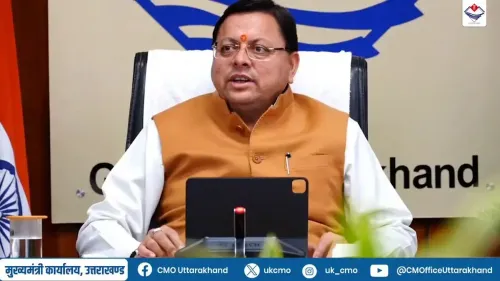
Chief Minister Pushkar Singh Dhami addressed the management of the Char Dham Yatra on 24 May 2026, with Uttarakhand's CMO sharing his remarks on the annual pilgrimage to Yamunotri, Gangotri, Kedarnath, and Badrinath — one of India's largest seasonal pilgrimages.
Key Takeaways
CM Pushkar Singh Dhami made a statement on Char Dham Yatra management on 24 May 2026 .
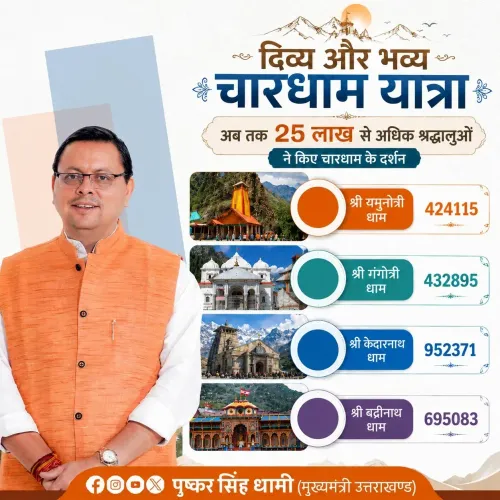
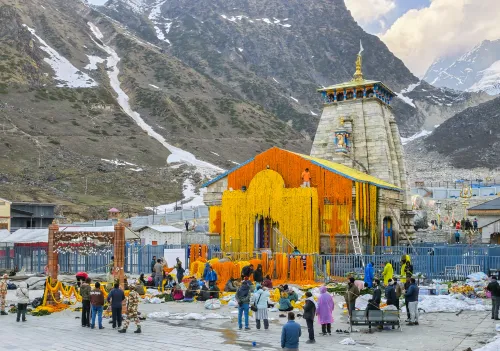
The yatra covers four shrines: Yamunotri , Gangotri , Kedarnath (at 3,583 m ), and Badrinath .
The Char Dham Pariyojana , approved in 2016 , underpins the highway infrastructure connecting the four sites.
Uttarakhand has implemented mandatory online registration and daily pilgrim caps to manage crowd pressure at high-altitude shrines.
The yatra is a key revenue driver for Uttarakhand 's mountain districts, supporting hoteliers, transporters, and local traders.
State notifications on registration quotas, helicopter services, and medical facilities are expected as the peak season continues.
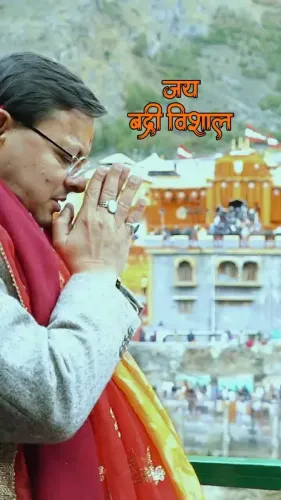
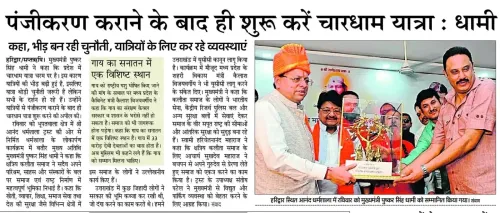
The Chief Minister's Office of Uttarakhand, on Sunday, 24 May 2026, shared a statement by Chief Minister Pushkar Singh Dhami regarding the ongoing Char Dham Yatra — the annual summer pilgrimage to the four sacred shrines of Yamunotri, Gangotri, Kedarnath, and Badrinath.
Context
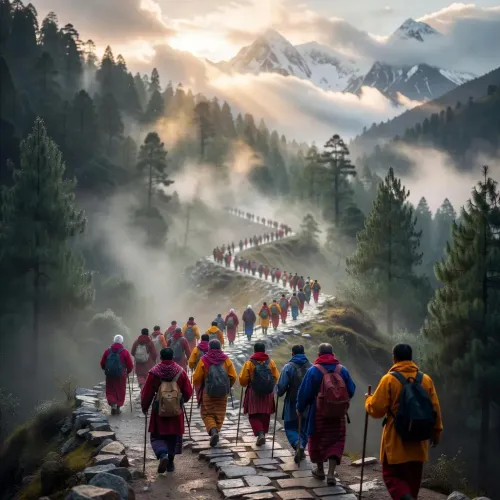
The Char Dham Yatra is one of India's most significant annual pilgrimages, drawing millions of devotees each summer to the high-altitude shrines of Uttarakhand. The four sites — Yamunotri in Uttarkashi district, Gangotri also in Uttarkashi, Kedarnath at 3,583 metres in Rudraprayag district, and Badrinath in Chamoli district near the India-Tibet border — collectively form a circuit of immense religious importance for Hindus. The yatra season typically opens in late April or May and runs through November, when the shrines close for winter.
Chief Minister Dhami, who has held office since 2021, has consistently positioned pilgrimage infrastructure and crowd management as central governance priorities. His latest remarks, shared through the official CMO account, signal continued state-level attention to the safe and smooth conduct of the yatra.
Policy Backdrop
The Char Dham Pariyojana, approved in 2016, initiated a major programme to widen the national highways connecting the four shrines, aiming to improve access and reduce travel time for pilgrims and emergency vehicles alike. Successive Uttarakhand administrations have built on this foundation by investing in temple facilities, disaster-preparedness protocols, and digital registration systems for pilgrims. The project has also faced scrutiny over its environmental footprint in ecologically sensitive Himalayan terrain, with courts intervening at various stages to moderate the scale of road widening.
Crowd regulation has emerged as a particularly pressing concern following incidents in prior yatra seasons where unmanaged footfall placed strain on the limited infrastructure at high-altitude sites. The state government has in recent years introduced mandatory online registration, daily pilgrim caps at key shrines, and enhanced medical facilities along the route.
Stakeholders and Impact
The Char Dham Yatra is a primary driver of Uttarakhand's tourism economy, generating revenue for local hoteliers, transporters, priests, and small traders across the mountain districts. Pilgrims travelling from every state in India — and from abroad — depend on the state government's logistical arrangements for safety, accommodation, and emergency response. Helicopter services to Kedarnath in particular represent a significant commercial and accessibility component of the pilgrimage ecosystem.
For the state administration, successful yatra management carries both economic and political weight. Any disruption — whether from extreme weather, infrastructure failure, or crowd mismanagement — draws immediate public and administrative scrutiny.
What's Next
Attention will now turn to specific state government notifications covering yatra registration quotas, helicopter service schedules, medical facility deployments, and any environmental or weather-related advisories for the 2026 season. Chief Minister Dhami's statement is likely to be followed by detailed administrative orders as the pilgrimage season progresses through its peak summer months. The state's ability to balance mass religious access with safety and ecological sustainability will remain the defining test of its yatra governance this season.
Point of View
Amplified through the official CMO channel, is consistent with a broader pattern of Uttarakhand governments using pilgrimage management as a visible governance signal ahead of peak season. The emphasis on yatra administration fits into a longer policy arc stretching from the 2016 Char Dham Pariyojana to more recent digital crowd-control measures, reflecting the state's dual interest in religious tourism revenue and disaster risk reduction. With millions of pilgrims expected this season, the statement also carries political salience — smooth yatra management is one of the most direct ways the Dhami government can demonstrate administrative competence to a large, engaged constituency. The test will lie in the operational details that follow.
NationPress
11 Oct 2026
Frequently Asked Questions
What did CM Dhami say about Char Dham Yatra 2026?
The Chief Minister's Office of Uttarakhand shared a statement by CM Pushkar Singh Dhami on 24 May 2026 regarding the Char Dham Yatra, though the full text of his remarks was conveyed via a video post. The statement signals the state government's active attention to pilgrimage management for the ongoing season.
Which are the four Char Dham shrines in Uttarakhand?
The four Char Dham shrines are Yamunotri and Gangotri in Uttarkashi district, Kedarnath in Rudraprayag district, and Badrinath in Chamoli district. Together they form the most important Hindu pilgrimage circuit in the Himalayas.
When does Char Dham Yatra season open and close?
The Char Dham Yatra season typically opens in late April or May, when the shrines are ritually unlocked after winter, and closes in October or November when the temples shut due to snowfall and harsh Himalayan weather.
How does Uttarakhand manage crowds during Char Dham Yatra?
Uttarakhand has introduced mandatory online pilgrim registration, daily caps on visitor numbers at individual shrines, enhanced medical facilities along the route, and helicopter services to Kedarnath to manage the large influx of devotees each season.
What is the Char Dham Pariyojana?
The Char Dham Pariyojana is a national highway widening project approved in 2016 to improve road connectivity to the four Char Dham shrines. It aims to reduce travel time and improve access for pilgrims and emergency vehicles, though it has also faced environmental scrutiny.