US strikes Iran for third time in 24 hours over Strait of Hormuz attacks
Synopsis
The US struck Iran for the third time in 24 hours on 13 July after Iranian forces attacked commercial ships in the Strait of Hormuz, pushing the total number of Iranian military targets hit over three nights past 300. With Kuwait drawing fire, a drone hitting an oil platform, and the UN warning of 'catastrophic consequences,' a fragile ceasefire is visibly unravelling.
Key Takeaways
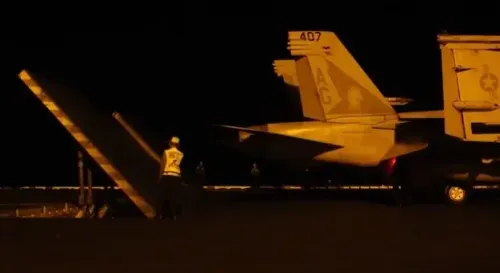
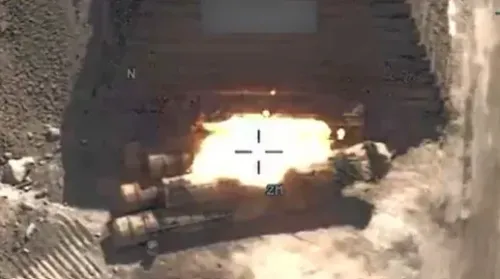
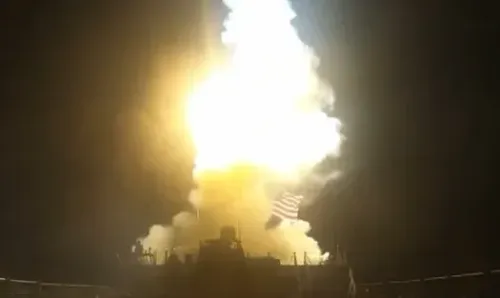
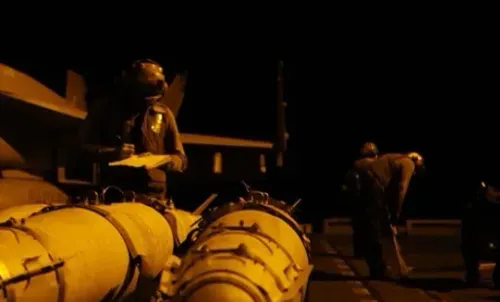
The US launched its third wave of strikes on Iran within 24 hours on 13 July , targeting areas near the Strait of Hormuz and Iran's coast.
More than 300 Iranian military targets were struck over three nights , according to reports.
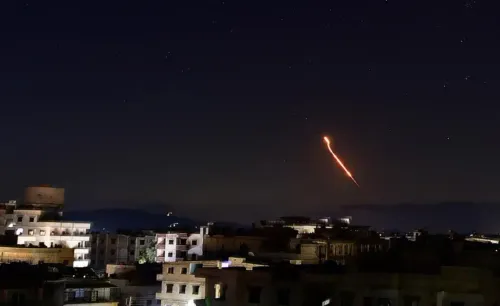
CENTCOM said US aircraft shot down an Iranian cruise missile and a one-way attack drone .
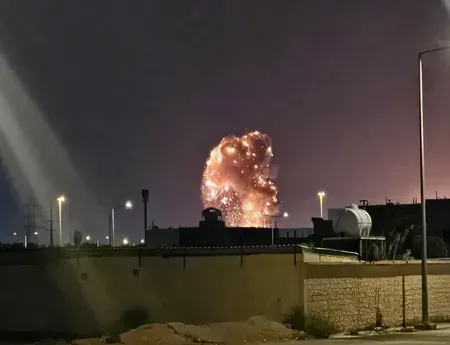
Explosions were reported in Jask, Qeshm, Bandar Abbas , and Sirik in Iran's Hormozgan province ; no civilian casualties initially reported.
Kuwait reported damage to three border posts; a drone struck a Kuwait Oil Company platform, injuring one worker .
UN Secretary-General António Guterres warned of 'catastrophic consequences' and urged both sides to resume negotiations.
The United States launched a fresh wave of military strikes against Iran on 13 July after Iranian forces fired on commercial shipping in the Strait of Hormuz, further destabilising a fragile ceasefire between the two countries. It was the third American strike wave in a single 24-hour period, according to reports citing senior US officials.
What US Central Command Said
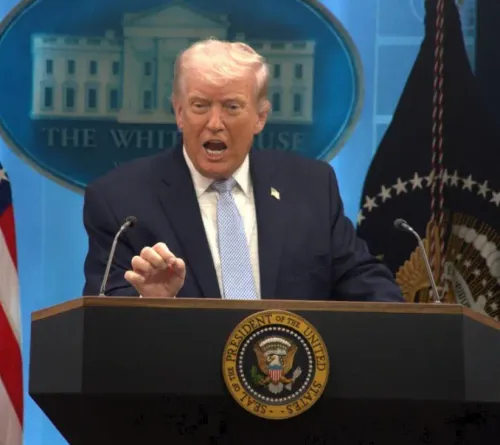
US Central Command (CENTCOM) confirmed the operation began at 5 p.m. ET, stating its forces had commenced strikes 'to continue degrading their ability to attack civilian mariners and commercial ships freely transiting the Strait of Hormuz.' CENTCOM added that 'the Commander in Chief has directed the strikes to hold Iranian forces accountable.'
CENTCOM spokesman Capt. Tim Hawkins said US aircraft intercepted and shot down an Iranian cruise missile and a one-way attack drone around the same time as the strikes. 'We're holding Iran accountable,' Hawkins said.
Scale and Targets of the Strikes
The latest strikes focused on areas near the strait and along Iran's coast, according to reports citing a senior US official. Earlier that same day, US forces had struck Iranian missile and air-defence systems as well as small Islamic Revolutionary Guard Corps (IRGC) boats around the Strait of Hormuz.
According to reports, US forces had struck approximately 140 Iranian military targets overnight, bringing the cumulative total over three nights to more than 300 targets.
Explosions Reported Across Southern Iran
Iranian state media reported explosions in Jask, Qeshm, Bandar Abbas, and Sirik — all located in southern Iran's Hormozgan province. No civilian casualties or damage to residential or commercial infrastructure were initially reported, according to media reports.
CENTCOM firmly rejected Iranian claims that American troops had been killed in the exchange. 'There are zero reports of US service member deaths or injuries in the region,' it stated.
Iran's Retaliatory Strikes and Regional Fallout
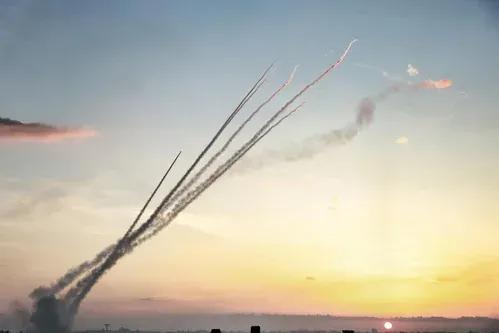
Iran responded over the weekend with attacks directed at US-linked sites and neighbouring countries. Kuwait reported that three northern border posts suffered material damage. A drone separately struck an offshore drilling platform belonging to the Kuwait Oil Company, injuring one worker.
Iran claimed it had targeted US High Mobility Artillery Rocket System (HIMARS) launchers in Kuwait, a claim CENTCOM did not confirm.
UN Warns of 'Catastrophic Consequences'
UN Secretary-General António Guterres expressed deep concern over the renewed fighting, calling for an immediate halt to all hostilities — including Iranian attacks on ships, US strikes on Iran, and Iranian strikes on neighbouring countries. 'These attacks must all stop,' Guterres said, warning that a return to full-scale conflict would have 'catastrophic consequences' for the region, international security, and the global economy. He urged both Washington and Tehran to 'urgently resume negotiations.'
With more than 300 Iranian military targets struck over three nights and no diplomatic channel visibly active, the prospect of a negotiated pause remains uncertain.
Point of View
And a drone hitting a civilian oil platform signals that commercial energy infrastructure is no longer insulated from the conflict. Global oil markets and shipping insurers will be watching the Strait of Hormuz as closely as any defence ministry.
NationPress
12 Oct 2026
Frequently Asked Questions
Why did the US launch fresh strikes on Iran on 13 July?
The US launched a third wave of strikes on Iran on 13 July after Iranian forces fired on commercial shipping in the Strait of Hormuz, which CENTCOM said violated the safety of civilian mariners. The strikes were directed by the Commander in Chief to hold Iranian forces accountable.
How many Iranian targets has the US struck in total?
According to reports, US forces struck approximately 140 Iranian military targets in a single overnight operation, bringing the total over three nights to more than 300 targets, covering missile systems, air-defence installations, and IRGC naval assets.
Were any US troops killed or injured in the exchange?
CENTCOM stated there are 'zero reports of US service member deaths or injuries in the region,' directly rejecting Iranian claims to the contrary.
Which countries were affected beyond Iran and the US?
Kuwait reported material damage to three northern border posts and a drone strike on a Kuwait Oil Company offshore drilling platform that injured one worker. Iran claimed it targeted US HIMARS launchers in Kuwait, a claim CENTCOM did not confirm.
What has the United Nations said about the escalation?
UN Secretary-General António Guterres expressed deep concern and called on all parties to stop attacks immediately, warning that renewed full-scale hostilities would have 'catastrophic consequences' for the region, international security, and the global economy. He urged Washington and Tehran to urgently resume negotiations.