US strikes Iran for 2nd straight day over Strait of Hormuz threat
Synopsis
For the second straight day, US forces have struck Iran — and this time Trump telegraphed the attack live from a NATO summit. With Tehran threatening to shut the Strait of Hormuz and over 20 US warships already in the region, the world's most critical oil chokepoint is now at the centre of a fast-moving military standoff with no diplomatic off-ramp in sight.
Key Takeaways
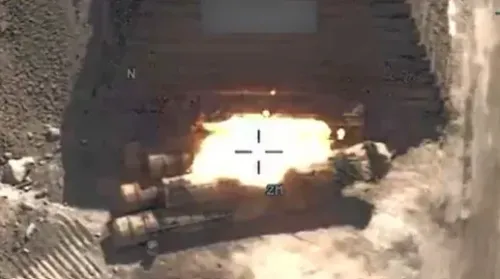
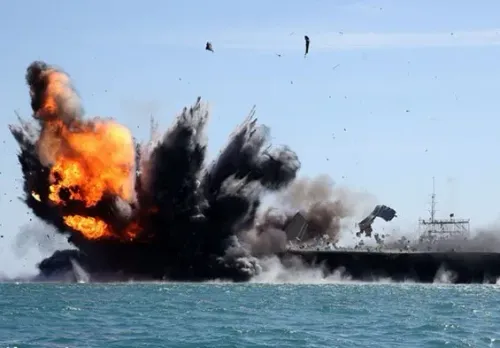
US forces struck Iran for a second consecutive day on 9 July , targeting capabilities threatening navigation in the Strait of Hormuz .
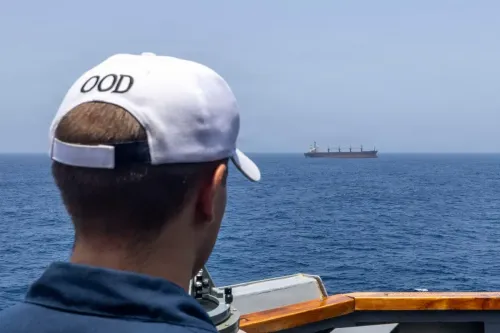
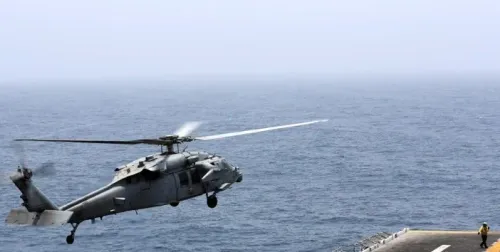
More than 20 US Navy warships were patrolling Middle Eastern waters as of Wednesday, according to CENTCOM .
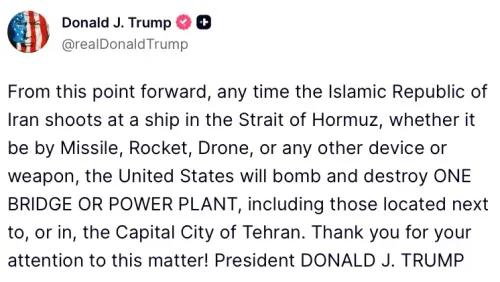
President Donald Trump publicly warned of the strikes at the NATO summit in Ankara , saying 'We're going to hit them hard tonight.' Iran's Press TV cited an informed source saying Tehran would close the Strait of Hormuz and strike twice as many targets if attacked again.
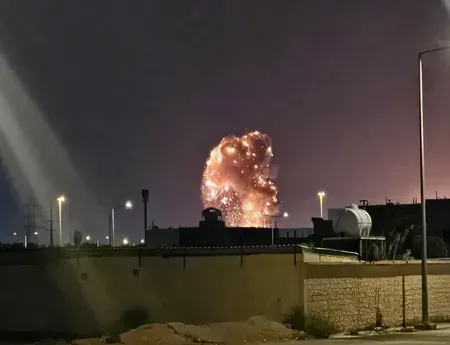
Explosions were reported in Bandar Abbas , Qeshm , Sirik , Abu Musa , and Chabahar — a total of eight blasts reported in Bandar Abbas alone.
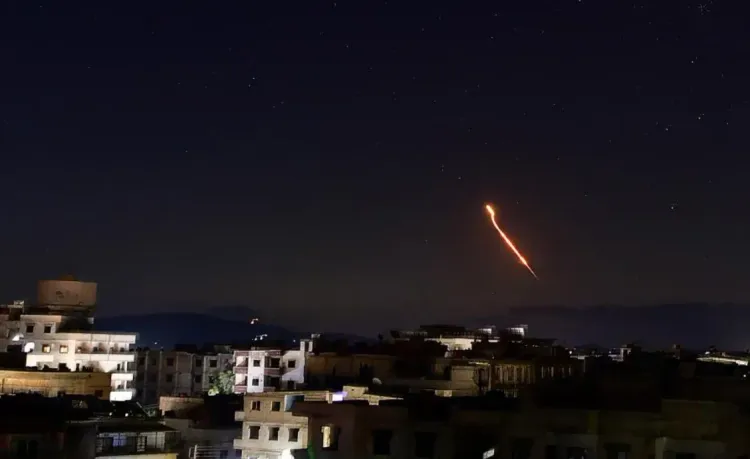
Air defence systems were reportedly activated in Bandar Abbas following the strikes.
United States forces carried out strikes against Iran for a second consecutive day on Wednesday, 9 July, targeting capabilities that the US Central Command (CENTCOM) described as a threat to freedom of navigation through the Strait of Hormuz. The operation marks a sharp escalation in direct military confrontation between Washington and Tehran.
What the US Central Command Said
CENTCOM announced the strikes in an official post on X, stating that the United States is 'holding Iran accountable for recent unjustified aggression against commercial shipping and civilian crews freely navigating a vital international waterway.' The command confirmed that more than 20 US Navy warships were patrolling waters across the Middle East as of Wednesday.
Trump's Warning at NATO Summit
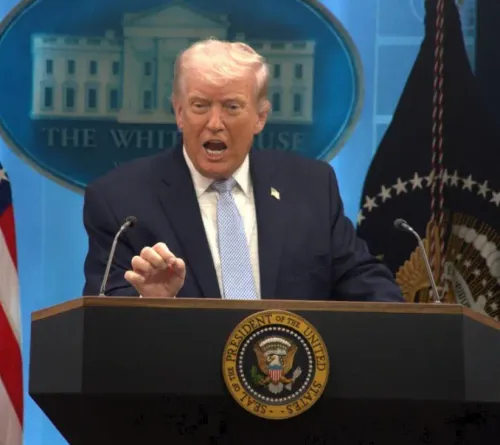
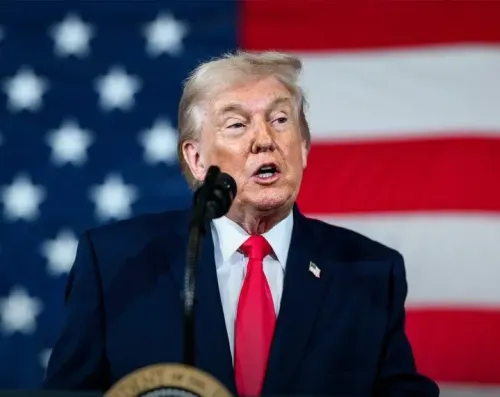
The second round of strikes followed a direct public warning from US President Donald Trump at the NATO summit in Ankara earlier the same day. 'I'll give a little warning: We're going to hit them hard tonight,' Trump said, according to reports. He added that he did not expect the situation to escalate into a full-fledged conflict with Iran.
Iran's Response and Threat to Close Hormuz
Following Trump's remarks, Iran's state broadcaster Press TV, citing an informed source, reported that Tehran would close the Strait of Hormuz and strike twice as many targets in the event of any fresh US attack. The Strait of Hormuz is one of the world's most critical oil transit chokepoints, with roughly 20% of global petroleum supplies passing through it daily.
Blasts Reported Across Southern Iran
Multiple explosions were heard on Wednesday night across Iran's southern Hormozgan province, including in Bandar Abbas, Qeshm, Sirik counties, and the Iranian island of Abu Musa, according to Iranian media. State-run IRIB news agency reported three additional blasts in the southeastern Chabahar County, bringing the total number of reported explosions in Bandar Abbas to eight, with air defence systems reportedly activated in the city.
Broader Context and What Comes Next
The exchange of attacks from Tuesday night into Wednesday marks a new and dangerous phase of escalation between the two countries. The Strait of Hormuz has long been a flashpoint in US-Iran tensions, with Tehran periodically threatening to block the waterway in response to Western pressure. This is the second successive day of US military action, raising urgent questions about whether diplomatic channels remain open. International observers and energy markets are closely watching for any move by Iran to follow through on its threat to close the strait, which would have immediate consequences for global oil supply.
Point of View
Whether or not NATO members endorsed it. The more consequential variable is Iran's Hormuz threat: past Iranian warnings to close the strait have rarely been followed through, but the speed of this escalation is different. Two consecutive days of US strikes, a public presidential warning, and Iranian air defences activating in Bandar Abbas suggest both sides are operating with less restraint than in prior standoffs. Energy markets and Gulf states — many of whom depend on Hormuz for exports — have more at stake here than Washington's framing of 'freedom of navigation' conveys.
NationPress
7 Oct 2026
Frequently Asked Questions
Why did the US strike Iran for a second straight day?
The US Central Command said the strikes were aimed at degrading Iran's ability to threaten freedom of navigation in the Strait of Hormuz, citing what it called unjustified Iranian aggression against commercial shipping and civilian crews. The second day of strikes followed a direct warning from President Donald Trump at the NATO summit in Ankara on 9 July.
What is the Strait of Hormuz and why does it matter?
The Strait of Hormuz is a narrow waterway between Iran and Oman through which roughly 20% of the world's daily petroleum supplies transit. Any closure or disruption would have an immediate impact on global oil prices and supply chains, making it one of the most strategically sensitive chokepoints in the world.
Has Iran threatened to close the Strait of Hormuz?
Yes. Iran's state broadcaster Press TV, citing an informed source, reported that Tehran would close the Strait of Hormuz and strike twice as many targets if the US carried out any fresh attack. It is not yet confirmed whether Iran has taken steps to act on this threat.
Where were explosions reported inside Iran?
Multiple blasts were heard on Wednesday night in Iran's southern Hormozgan province, including in Bandar Abbas, Qeshm, Sirik, and the island of Abu Musa. State-run IRIB also reported three explosions in the southeastern Chabahar County, with a total of eight blasts reported in Bandar Abbas and air defence systems activated there.
Did Trump say he expected a full war with Iran?
No. While Trump publicly warned at the NATO summit that the US would 'hit them hard tonight,' he also stated that he did not expect the confrontation to escalate into a full-fledged conflict with Iran. However, the situation remains fluid with both sides exchanging attacks across consecutive days.