US strikes Iran after Apache helicopter downed near Strait of Hormuz
Synopsis
The US has struck Iran directly after an Apache helicopter was downed near the Strait of Hormuz — the most significant American military action against Tehran in years. With Israeli commander Eyal Zamir warning the recent strikes are 'just a preparation' for a far larger blow, the region is on the edge of a potentially historic escalation.
Key Takeaways
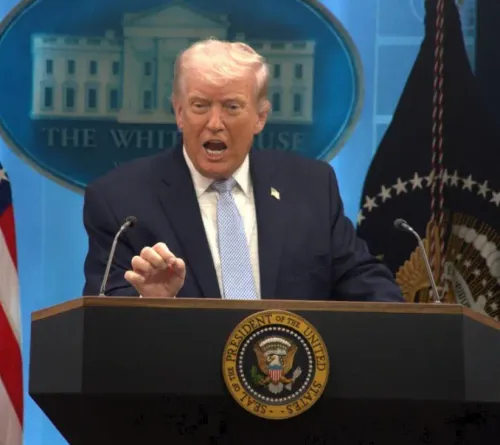
US forces launched strikes against Iran on 10 June at 5 pm US Eastern Time , ordered by President Donald Trump .
The strikes followed Iran's downing of a US Army Apache helicopter near the Strait of Hormuz .
Both pilots aboard the downed helicopter were rescued safely and uninjured , according to Trump.
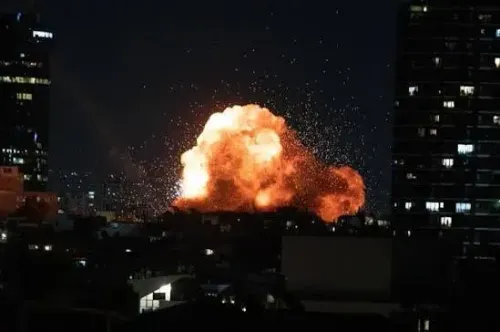
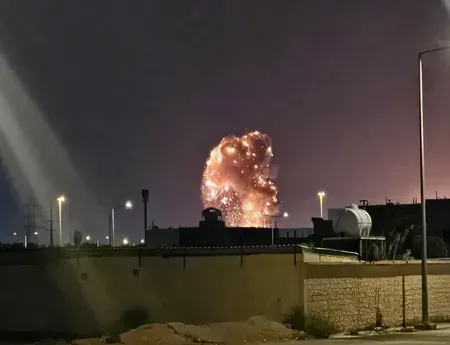
Explosions were reported in Bandar Abbas , Qeshm Island , Sirik , Minab , and Jask County in southern Iran.
Israeli army commander Eyal Zamir warned the strikes on Iran were 'just a preparation for a much more significant and powerful blow.' Israel also renewed attacks in southern Lebanon on Tuesday, further intensifying regional tensions.
US forces launched military strikes against Iran on 10 June following the downing of a US Army Apache helicopter near the Strait of Hormuz the previous day, the United States Central Command (CENTCOM) confirmed. The strikes began at 5 pm US Eastern Time (2100 GMT) on the direct orders of President Donald Trump.
The Strikes and Their Scale
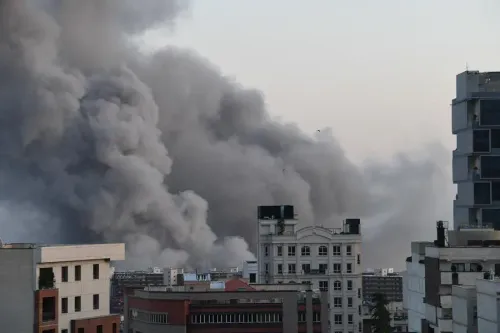
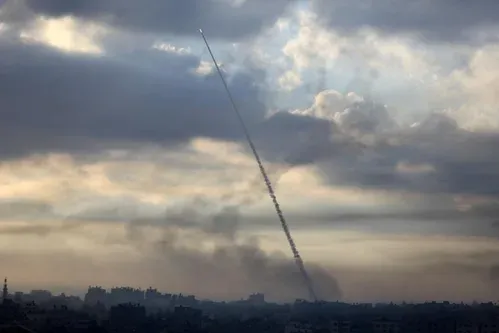
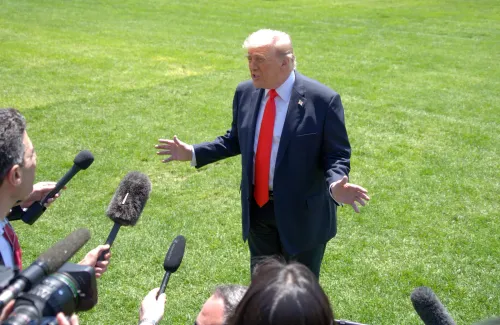
President Trump described the operation as 'very strong, very powerful' in remarks to ABC News shortly after the strikes commenced. CENTCOM confirmed the timing and presidential direction of the operation. Multiple explosions were subsequently reported across several locations in southern Iran, including the port city of Bandar Abbas, Qeshm Island, Sirik County, and Jask County, according to reports citing Iranian media.
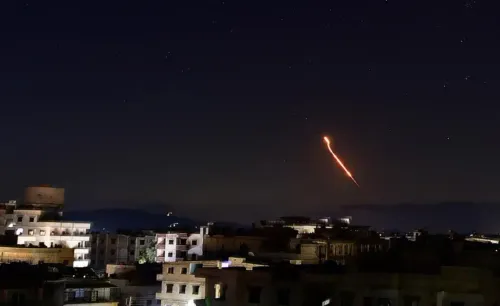
The semi-official Tasnim news agency reported that six explosions were heard across Sirik, Qeshm Island, and the southern city of Minab, adding that the three regions were struck by US fighter jets. Air defence systems were also activated across the affected areas.
The Helicopter Incident That Triggered the Response
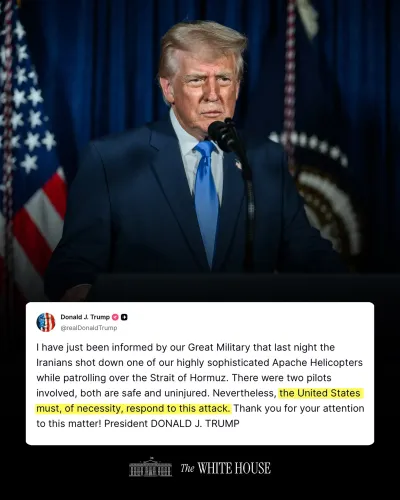
On Tuesday, Trump accused Iran of shooting down the Apache helicopter while it was patrolling over the Strait of Hormuz. 'I have just been informed ... that last night the Iranians shot down one of our highly sophisticated Apache helicopters while (it was) patrolling over the Strait of Hormuz,' Trump said in a post on Truth Social.
Both pilots aboard the aircraft were rescued safely. 'Two pilots onboard the aircraft are safe and uninjured,' Trump confirmed, before adding, 'Nevertheless, the United States must, of necessity, respond to this attack.'
Israel Signals Larger Offensive Ahead
The US action comes amid an already volatile regional backdrop. Israeli army commander Eyal Zamir, speaking during a visit to a military exercise in the north of the country, warned that recent strikes against Iran were 'just a preparation for a much more significant and powerful blow.' He added that the Israel Defense Forces (IDF) 'continue to maintain the highest level of readiness and preparation to resume operations in Iran.'
Notably, Israel also renewed attacks in southern Lebanon on Tuesday, compounding regional tensions that have been building through days of tit-for-tat exchanges between Israel and Iran.
Regional Context and What Comes Next
The Strait of Hormuz — through which an estimated 20% of global oil supplies transit — is one of the world's most strategically sensitive waterways. Any sustained military escalation in its vicinity carries direct implications for global energy markets and broader Gulf security architecture.
The sequence of events — helicopter downing, US strikes, Israeli threats of a 'much more significant blow' — marks a sharp and rapid escalation. This is the most direct US military engagement with Iran in recent years, and the trajectory of the conflict will depend heavily on Tehran's response in the hours and days ahead.
Point of View
And its implications extend well beyond the immediate exchange. The Strait of Hormuz is not just a military flashpoint — it is the jugular of global oil supply, and any sustained engagement there will ripple through energy markets within hours. What is striking is the speed of escalation: a helicopter downing on Monday, strikes by Tuesday evening, and an Israeli commander already telegraphing a 'much more significant blow.' The coordination — or at minimum the convergence — of US and Israeli military timelines raises the question of whether this is reactive or part of a pre-planned sequencing. Tehran's response, or restraint, in the next 48 hours will determine whether this is a controlled signal or the opening of something far larger.
NationPress
26 Oct 2026
Frequently Asked Questions
Why did the US launch strikes on Iran on 10 June?
The US struck Iran in direct retaliation for the downing of a US Army Apache helicopter near the Strait of Hormuz the previous day. President Trump confirmed the helicopter was shot down while patrolling the area, and said the US 'must, of necessity, respond.'
Were the US pilots from the downed Apache helicopter safe?
Yes. Both pilots aboard the downed Apache helicopter were rescued and confirmed safe. Trump stated they were 'safe and uninjured' in his Truth Social post announcing the incident.
Where in Iran were the US strikes carried out?
Explosions were reported in several locations in southern Iran, including Bandar Abbas, Qeshm Island, Sirik, Minab, and Jask County. Air defence systems were activated across these areas, according to reports citing Iranian media.
What did Israeli commander Eyal Zamir say about the strikes on Iran?
Israeli army commander Eyal Zamir said the recent wave of attacks against Iran was 'just a preparation for a much more significant and powerful blow,' and that the IDF remains at the 'highest level of readiness' to resume operations in Iran.
How significant is the Strait of Hormuz to global security?
The Strait of Hormuz is one of the world's most critical maritime chokepoints, through which an estimated 20% of global oil supplies pass. Military escalation in the area carries direct consequences for global energy prices and Gulf regional stability.