US strikes Iran again as Trump warns of stronger military action
Synopsis
The US launched a second consecutive day of strikes on Iran on 11 June, with Trump and Hegseth explicitly tying military escalation to Tehran's refusal to sign a nuclear deal. A US Apache helicopter was shot down near Oman on Monday, and a Palau-flagged tanker was disabled in the Strait of Hormuz the same day — signalling that the conflict has expanded well beyond air strikes into a full maritime and aerial confrontation.
Key Takeaways
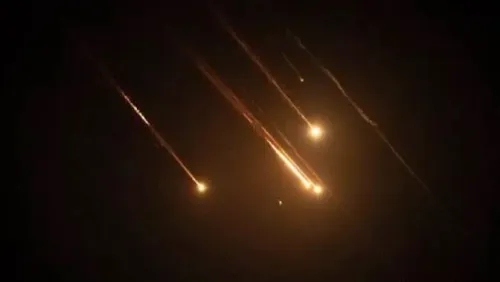
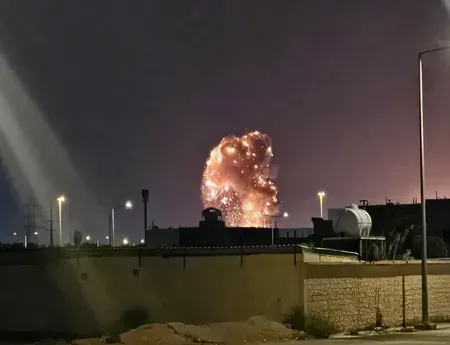
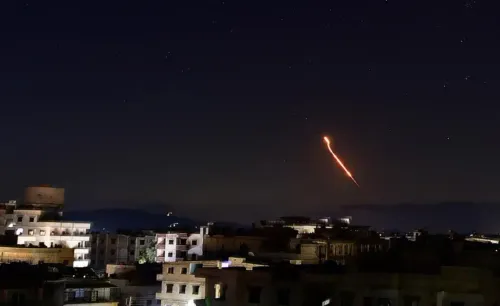
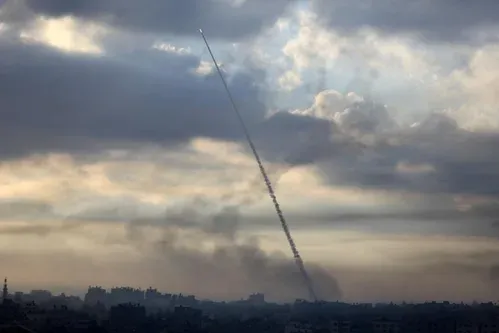
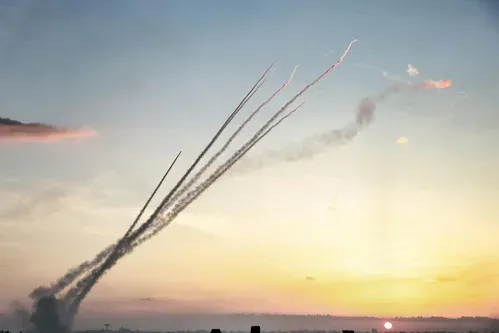
US Central Command launched fresh strikes on multiple targets in Iran at 5:15 pm ET on Wednesday, 11 June .
President Trump and Secretary of Defense Pete Hegseth warned military pressure would intensify unless Iran signs a nuclear deal.
Iran shot down a US Army AH-64 Apache helicopter near Oman on Monday; the crew was rescued safely.
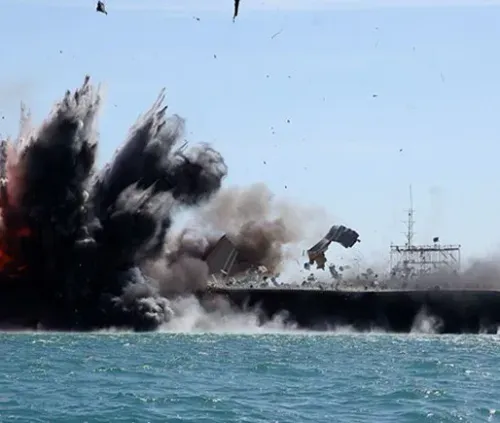
US forces disabled the Palau-flagged tanker M/T Settebello in the Strait of Hormuz for allegedly violating an American-led oil blockade.
Hegseth claimed 'Project Freedom' has facilitated safe transit of over 100 million barrels of oil through the Strait of Hormuz.
Both sides say diplomacy remains possible, but no deal has been signed as of the latest reports.
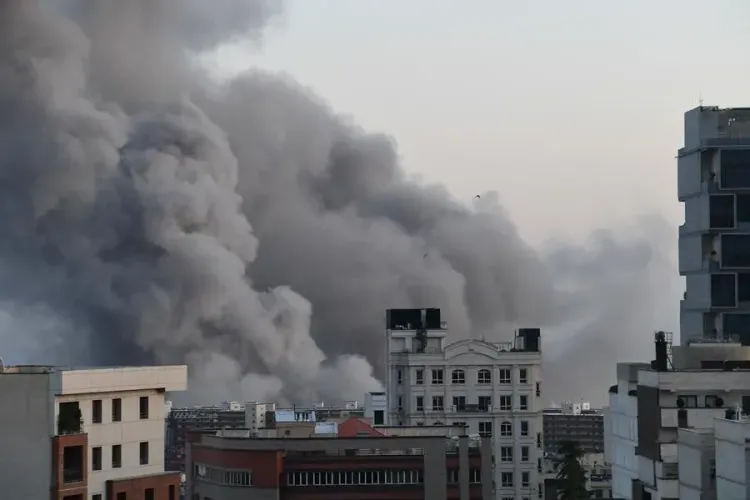
The United States launched a fresh wave of military strikes against multiple targets in Iran on Wednesday, 11 June, with President Donald Trump and Secretary of Defense Pete Hegseth warning Tehran that military pressure would escalate unless it agreed to a nuclear deal with Washington. The operation marks a significant intensification of American military engagement with Iran amid stalled diplomatic efforts.
How the Strikes Unfolded
US Central Command (CENTCOM) announced the operation began at 5:15 pm Eastern Time, describing the action as 'additional self-defence strikes against multiple targets in Iran' carried out at the direction of President Trump. CENTCOM stated the strikes were launched in response to 'Iran's unwarranted and continued aggression.'
The renewed offensive followed an incident on Monday in which Iran shot down a US Army AH-64 Apache helicopter near Oman. Trump confirmed the helicopter crew had been rescued safely but vowed that military action would continue.
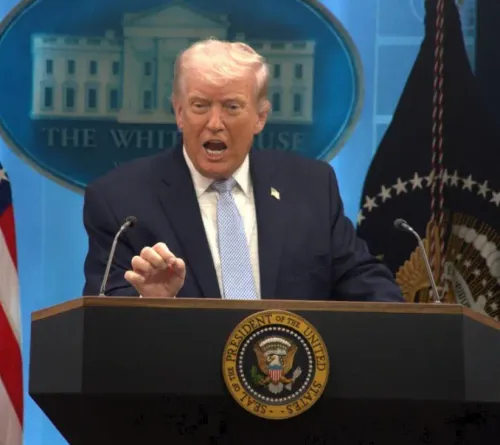
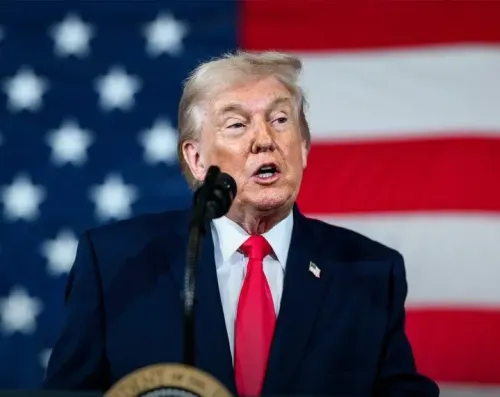
'We hit them hard yesterday, and we're gonna hit them again hard today,' Trump told reporters. 'We'll see what happens with the deal. We were really close to a deal. But they keep tapping us along. They keep playing us for suckers.'
What the US Government Said
Hegseth addressed reporters at MacDill Air Force Base in Florida after meeting CENTCOM commanders, delivering an unambiguous warning to Tehran.
'Central Command will be busy tonight because President Trump said we will be hitting Iran hard, and we will be,' Hegseth said. 'Iran has a chance to make a good deal, a great deal to codify what they said they've been willing to do, and they haven't been willing to do it.'
At the White House, Trump framed the military action as a consequence of Iran's failure to follow through on months of negotiations. 'I've been working with Iran for a number of months, and they should sign the deal,' he said. 'It's a good deal. It doesn't give them the right to have a nuclear weapon. In fact, it totally prohibits them from ever having a nuclear weapon.'
Tanker Disabled in Strait of Hormuz
Separately on Wednesday, CENTCOM announced that US forces had disabled a tanker allegedly transporting Iranian oil in violation of an American-led blockade. According to CENTCOM, a US aircraft fired precision munitions into the engine room of the Palau-flagged tanker M/T Settebello after its crew repeatedly failed to comply with instructions.
Hegseth claimed that 'Project Freedom' had enabled more than 100 million barrels of oil to transit safely through the Strait of Hormuz under American protection. 'The United States of America controls the Strait of Hormuz,' he said. 'We're able to bring oil in and out and other things with partners and have done so now for weeks and weeks in ways the Iranians don't want to acknowledge.'
Diplomacy and Military Action Running in Parallel
Both Trump and Hegseth stressed that Washington remained open to a negotiated settlement even as strikes continued. The Pentagon chief described Trump as 'a deal maker, the best in the world' and said Iran 'would be wise' to accept the offer on the table.
Trump echoed that position, framing the path to de-escalation as straightforward. 'Very simply, Iran cannot have a nuclear weapon, and they won't,' he said. 'All they have to do is they have to start signing a paper.'
This is the latest in a series of military exchanges between the two countries, with the situation around the Strait of Hormuz remaining a flashpoint for global energy markets. How Tehran responds in the coming hours will determine whether the conflict escalates further or opens a narrow window for renewed diplomacy.
Point of View
Integrated pressure campaign — a high-risk gambit that assumes Iran will eventually blink. But Tehran's decision to shoot down a US Apache near Oman suggests it is not yet close to capitulating. The disabling of the M/T Settebello marks a qualitative expansion of the conflict into maritime enforcement, which raises the stakes for global oil supply and regional shipping insurance costs well beyond the immediate military exchange. Mainstream coverage is fixated on the strike count; the more consequential story is whether the Strait of Hormuz blockade holds, and what happens to energy markets if it doesn't.
NationPress
24 Sept 2026
Frequently Asked Questions
Why did the US launch fresh strikes on Iran on 11 June?
The US launched additional strikes on 11 June citing Iran's 'unwarranted and continued aggression,' including the shooting down of a US Army AH-64 Apache helicopter near Oman on Monday. President Trump also framed the strikes as pressure to compel Tehran to sign a nuclear deal.
What is the nuclear deal Trump is demanding Iran sign?
According to Trump, the proposed deal would prohibit Iran from ever acquiring a nuclear weapon and would codify commitments Tehran has allegedly expressed willingness to make. Talks have reportedly been ongoing for months but have not produced a signed agreement.
What happened to the tanker M/T Settebello?
US forces disabled the Palau-flagged tanker M/T Settebello in the Strait of Hormuz after its crew repeatedly ignored instructions. CENTCOM said a US aircraft fired precision munitions into the vessel's engine room for allegedly transporting Iranian oil in violation of an American-led blockade.
Who is Pete Hegseth and what role does he play?
Pete Hegseth is the US Secretary of Defense. He briefed reporters at MacDill Air Force Base in Florida after meeting CENTCOM commanders, issuing direct warnings to Iran and outlining the US strategy around the Strait of Hormuz.
Is diplomacy still possible between the US and Iran?
Both Trump and Hegseth have said they remain open to a deal, with Trump stating Iran only needs to 'start signing a paper.' However, no agreement has been reached, and military operations were continuing as of the latest reports on 11 June.