US strikes Iran again after ballistic missile attack on American forces in Jordan
Synopsis
The US resumed direct military strikes on Iran hours after Iranian ballistic missiles targeted American positions in Jordan — a cycle of retaliation that has now persisted for months. With a naval blockade tightening and explosions reported near Iranian oil infrastructure and Qeshm Island, the conflict is widening on multiple fronts, and no diplomatic brake appears to be in place.
Key Takeaways
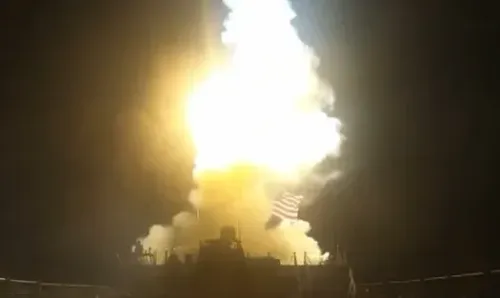
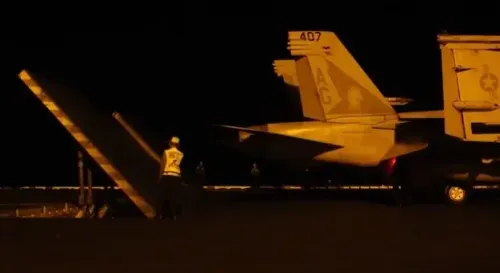
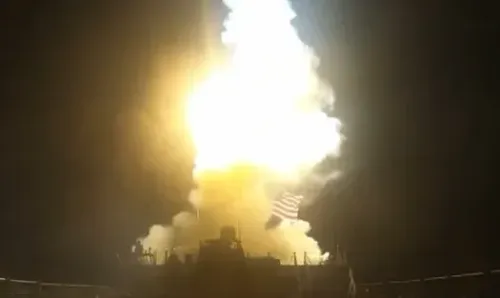
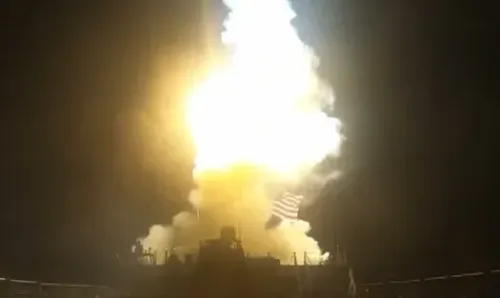
US Central Command (CENTCOM) launched fresh strikes against Iran beginning at 8 p.m.
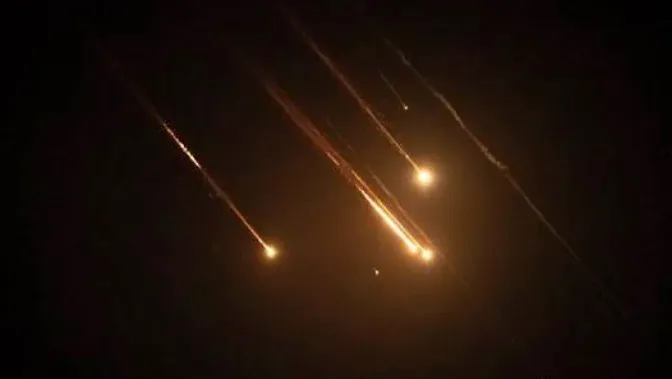
The strikes were described as retaliation for an Iranian ballistic missile attack on US military positions in Jordan , which was intercepted by air defences.
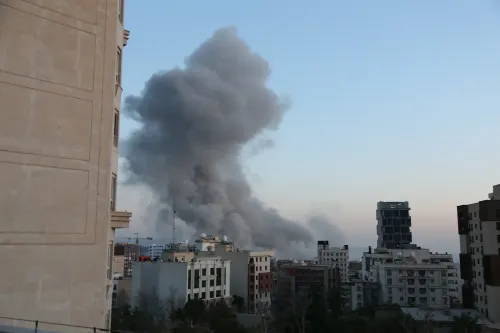
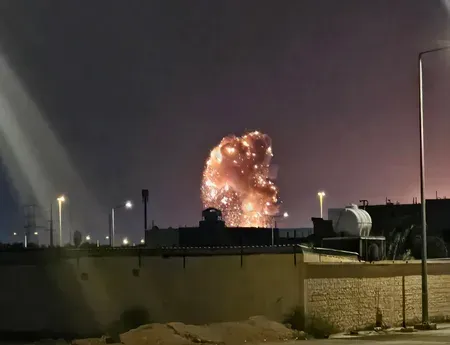
Explosions were reported in Iran's southern provinces of Hormozgan and Khuzestan , near oil infrastructure, and on Qeshm Island in the Persian Gulf.
President Donald Trump had warned the US would hit Iran 'very hard' following the attempted attack.
CENTCOM's naval blockade has redirected 20 commercial vessels , disabled 2 , and boarded 2 as of 29 July .
The strikes ended a brief lull in direct US military action against Iran, with no diplomatic resolution in sight.
The United States launched a fresh wave of military strikes against Iran on Wednesday evening, retaliating for what American officials described as an attempted Iranian ballistic missile attack on US military positions in Jordan. The operation marks yet another sharp escalation in a months-long conflict between Washington and Tehran, with diplomatic efforts to contain the crisis again yielding to direct military action.
How the Strikes Unfolded
The US Central Command (CENTCOM) confirmed the operation commenced at 8 p.m. Eastern Time on Wednesday. In a statement, CENTCOM said: 'US forces began launching strikes against Iran at 8 p.m. ET today. The strikes are a powerful response to yesterday's attempted Iranian attacks on US forces based in the Middle East.'
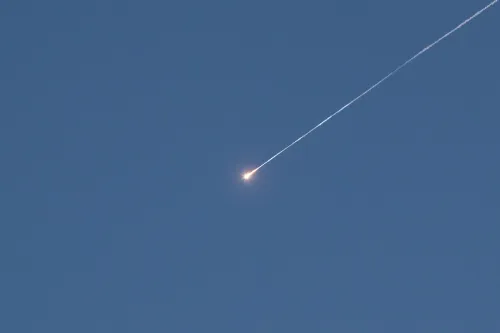
The strikes followed less than 24 hours after Iran launched ballistic missiles targeting American military positions in Jordan — an attack that US officials said was intercepted by air defence systems before causing any damage. President Donald Trump had earlier warned that the United States would hit Iran 'very hard' in response.
Reported Impact Inside Iran
CENTCOM did not immediately disclose the locations or scope of the strikes inside Iran. However, Iranian state media reported explosions in several southern provinces, including Hormozgan and Khuzestan, with strikes reportedly near oil infrastructure and on islands in the Persian Gulf. Iranian officials also reported damage to residential areas on Qeshm Island, where rescue workers were said to be searching for people trapped under rubble.
Iran's Stated Justification
Tehran said it launched the missile barrage against US positions in Jordan in response to what it described as 'aggressive actions by the US military.' The exchange underscores the tit-for-tat dynamic that has defined the conflict in recent months, with each side framing its strikes as defensive retaliation.
Naval Blockade Tightens
Separately, CENTCOM said it continues to enforce a maritime blockade against Iran. 'CENTCOM forces continue to strictly enforce the US blockade against Iran. As of July 29, CENTCOM has redirected 20 commercial vessels, disabled 2, and boarded 2,' the command said. The naval measures reflect Washington's broader strategy of combining direct military strikes with sustained economic and maritime pressure on Tehran.
What Comes Next
The resumption of direct American strikes ends what had been a brief pause in military operations and signals that no near-term diplomatic off-ramp is in sight. With US forces maintaining a blockade, Iran under pressure on multiple fronts, and regional flashpoints in Jordan and the Persian Gulf active, the trajectory of the conflict will depend heavily on whether either side signals willingness to de-escalate — something neither has done publicly as of this report.
Point of View
Now redirecting 20 vessels, compounds the pressure. The risk is that Iran, facing simultaneous military and economic strangulation, calculates that a dramatic escalation is preferable to slow attrition — a calculus that could rapidly draw in regional actors and test the limits of US air-defence coverage across the Middle East.
NationPress
13 Sept 2026
Frequently Asked Questions
Why did the US launch fresh strikes on Iran?
The US struck Iran on Wednesday evening in retaliation for an Iranian ballistic missile attack on American military positions in Jordan. US officials said the Iranian missiles were intercepted by air defences before causing damage, but President Donald Trump had vowed a forceful response.
What targets were hit inside Iran?
CENTCOM did not immediately disclose specific targets. Iranian state media reported explosions in the southern provinces of Hormozgan and Khuzestan, with strikes reportedly near oil infrastructure, on Persian Gulf islands, and in residential areas of Qeshm Island.
What is the US naval blockade against Iran?
CENTCOM is enforcing a maritime blockade designed to apply economic pressure on Iran alongside direct military strikes. As of 29 July, US forces had redirected 20 commercial vessels, disabled 2, and boarded 2 ships.
How did Iran justify its missile attack on US forces in Jordan?
Tehran said it launched ballistic missiles targeting US military positions in Jordan in response to what it described as 'aggressive actions by the US military.' The US said the attack was thwarted by air defence systems.
Is there any prospect of a diplomatic resolution?
As of the latest reports, no diplomatic off-ramp has been signalled by either side. The resumption of US strikes after a brief pause suggests that back-channel efforts to contain the conflict have not gained traction.