US strikes Iran again as Kuwait battles 'hostile' missiles and drones
Synopsis
The US-Iran confrontation has crossed into open warfare. Explosions across southern and central Iran, IRGC missile strikes on US bases in Jordan and Kuwait, and Tehran declaring 'full-scale war' — all within 24 hours — mark the most dangerous escalation between Washington and Tehran in years. With the Strait of Hormuz at the centre and Kuwait's air defences now actively engaged, this is no longer a shadow conflict.
Key Takeaways
Explosions reported across Hormozgan , Sistan and Baluchestan , Shiraz , and Isfahan on Monday night and early Tuesday, 22 July 2025 .
CENTCOM announced a fresh round of strikes designed to 'further degrade Iranian military capabilities' threatening shipping in the Strait of Hormuz .
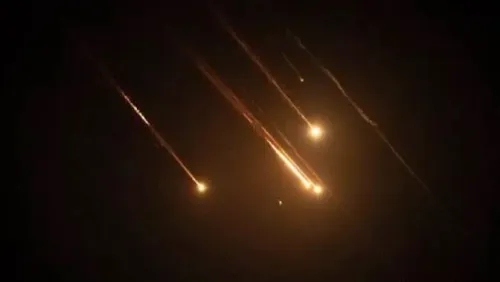
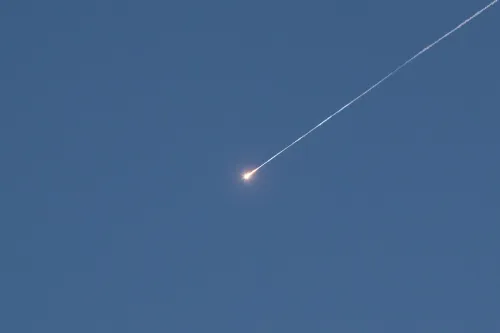
Kuwait's General Staff confirmed its air defences are actively responding to 'hostile missile and drone threats.' The IRGC claimed ballistic missile strikes on US aircraft at Aqaba, Jordan and drone attacks on US radar and drone assets at Ali Al Salem Air Base, Kuwait .
Iranian President Masoud Pezeshkian declared a 'full-scale war' with the US, while Foreign Ministry spokesperson Esmaeil Baghaei said diplomatic channels remain open.
The conflict has now drawn in Kuwait , Bahrain , and Jordan as sites of Iranian retaliatory strikes on US military infrastructure.
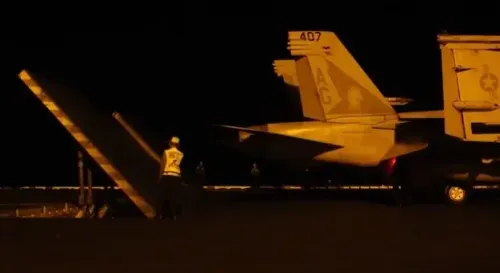
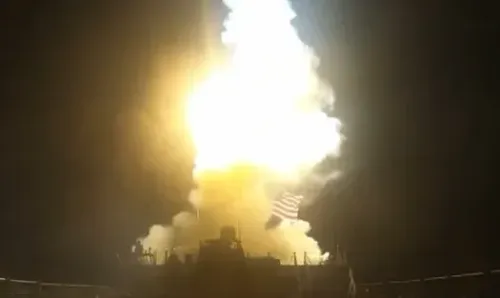
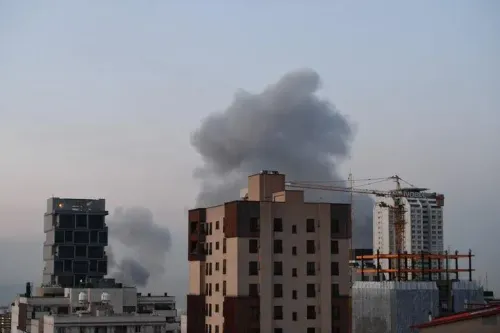
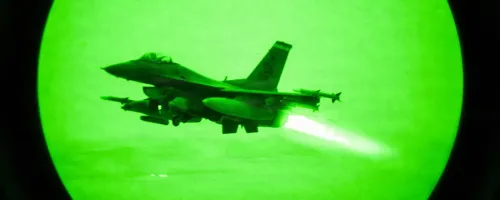
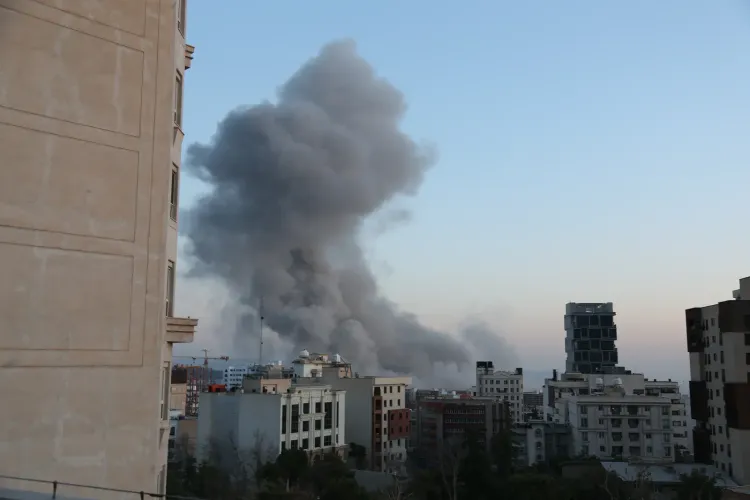
Fresh explosions rocked southern and central Iran on Monday night and early Tuesday, 22 July 2025, as US Central Command (CENTCOM) announced a new round of strikes against the country, marking a sharp escalation in what has become an open military confrontation between Washington and Tehran. The strikes, according to CENTCOM, are designed to further degrade Iranian military capabilities used to threaten commercial shipping in the Strait of Hormuz.
Where the Blasts Were Heard
Explosions were reported in the counties of Bandar Abbas, Sirik, Bandar Lengeh, and Qeshm in the southern province of Hormozgan, as well as in Chabahar and Konarak in the southeastern province of Sistan and Baluchestan, according to Iranian media. Air defences were activated in the southern port city of Bushehr to 'engage with hostile aircraft,' the official Iranian news agency IRNA reported. By early Tuesday, blasts were also heard in the southern city of Shiraz and two explosions were reported in the central city of Isfahan, per IRNA and the semi-official Mehr News Agency.
Kuwait Under Fire
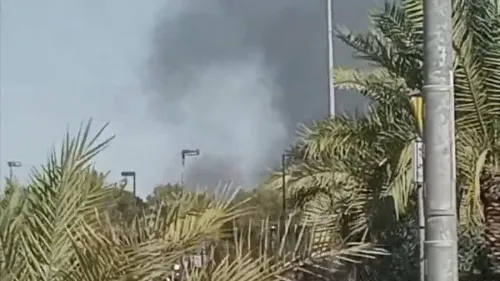
The General Staff of the Kuwaiti Army confirmed early Tuesday that its air defences were actively responding to 'hostile missile and drone threats.' The disclosure underscores how the conflict has spilled well beyond Iranian borders, with Kuwait, Bahrain, and Jordan all drawn into the crossfire as host nations of US military assets. Iran has launched repeated waves of missiles and drones at American bases and facilities across the region over the past week.
IRGC Claims Strikes on US Assets in Jordan and Kuwait
Iran's Islamic Revolutionary Guard Corps (IRGC) said on Monday that its forces launched retaliatory ballistic missile and drone strikes against US assets in Jordan and Kuwait. In statements published on its official outlet Sepah News, the IRGC claimed it struck Boeing C-17 Globemaster III and Boeing P-8 Poseidon aircraft at an airport in the Jordanian port city of Aqaba, reportedly heavily damaging several of them. The IRGC also claimed its forces destroyed an American early warning radar system in Kuwait, and targeted a warehouse, aircraft parts depot, and a hangar of MQ-9 Reaper drones at Ali Al Salem Air Base, setting fire to a number of the unmanned aerial vehicles. The IRGC said the attacks were in direct retaliation for what it termed repeated US 'aggressions' against Iranian territory.
Iran Declares 'Full-Scale War' — Then Keeps Diplomatic Door Open
Iranian President Masoud Pezeshkian declared a 'full-scale war' with the United States on Monday — a rhetorical escalation that rattled regional capitals. Yet within hours, Foreign Ministry spokesperson Esmaeil Baghaei struck a markedly different note, saying Iran had received mediation proposals and that its diplomatic channels remain open. The contradictory signals reflect an internal tension in Tehran between hardline military posturing and a recognition that sustained conflict carries severe economic and strategic costs.
The Wider Context
Over the past week, the United States has launched multiple rounds of strikes on Iran, each time citing the goal of degrading Tehran's ability to threaten commercial shipping through the strategically critical Strait of Hormuz — a chokepoint through which roughly 20% of global oil trade passes. Iran has responded with successive missile and drone salvos. This is the most direct US-Iran military confrontation since the killing of IRGC General Qasem Soleimani in January 2020, and analysts warn that the escalation ladder has few visible rungs left before the situation risks broader regional war. How regional powers and global energy markets respond in the coming hours will be critical.
Point of View
Including India, harder than almost anyone else. The absence of any visible off-ramp, combined with IRGC strikes on US aircraft in Jordan, suggests both sides are still climbing the escalation ladder rather than looking for the exit.
NationPress
20 Oct 2026
Frequently Asked Questions
Why is the US striking Iran?
The US has launched multiple rounds of strikes on Iran over the past week, stating the goal is to degrade Iran's military capabilities used to threaten commercial shipping in the Strait of Hormuz. CENTCOM confirmed the latest round of strikes on Monday night, 21 July 2025.
What did the IRGC claim to have hit in Jordan and Kuwait?
The IRGC claimed it struck Boeing C-17 Globemaster III and Boeing P-8 Poseidon aircraft at an airport in Aqaba, Jordan, and destroyed a US early warning radar system in Kuwait. It also claimed to have targeted a drone hangar at Ali Al Salem Air Base in Kuwait, setting fire to MQ-9 Reaper drones.
Why is Kuwait involved in the US-Iran conflict?
Kuwait hosts US military assets, including Ali Al Salem Air Base, making it a target for Iranian retaliatory strikes. The Kuwaiti Army confirmed early Tuesday that its air defences were actively responding to hostile missile and drone threats.
Did Iran declare war on the United States?
Iranian President Masoud Pezeshkian declared a 'full-scale war' with the United States on Monday. However, Foreign Ministry spokesperson Esmaeil Baghaei said the same day that Iran had received mediation proposals and that its diplomatic channels remain open.
How does this affect the Strait of Hormuz and global oil trade?
The Strait of Hormuz is the stated flashpoint — CENTCOM says its strikes aim to protect commercial shipping there. Roughly 20% of global oil trade passes through the strait, and sustained disruption would significantly impact global energy prices and Asian importers, including India.