US strikes Iran for 11th straight night; IRGC hits US bases in Bahrain, Kuwait, Jordan
Synopsis
Eleven consecutive nights of US strikes on Iran — and now Iranian missiles and drones hitting American bases in Bahrain, Kuwait, and Jordan. The conflict has crossed a threshold: it is no longer confined to Iranian territory. With the IRGC threatening 'broader' operations and over 30 commercial vessels already attacked in the Strait of Hormuz, the risk of a wider regional war is no longer hypothetical.
Key Takeaways
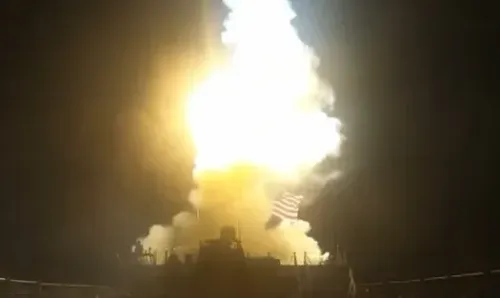
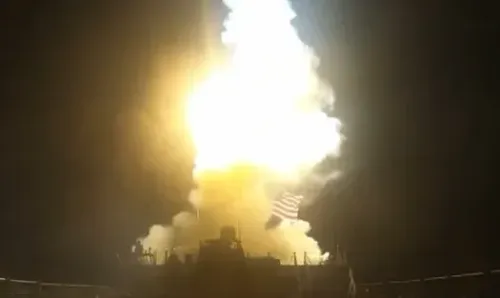
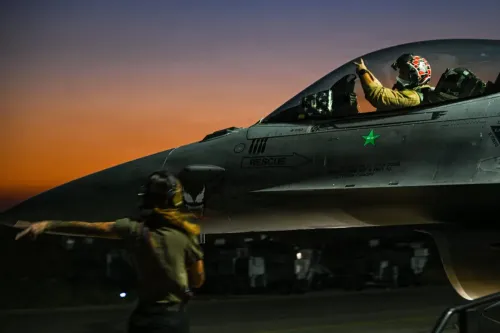
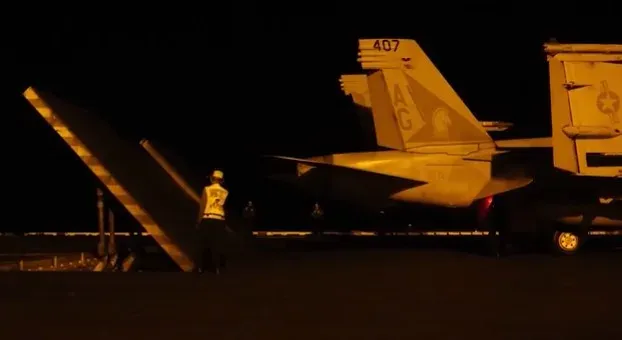
US forces completed their 11th consecutive night of strikes against Iran on Tuesday , beginning at 7 p.m.
ET and concluding at 8:15 p.m.
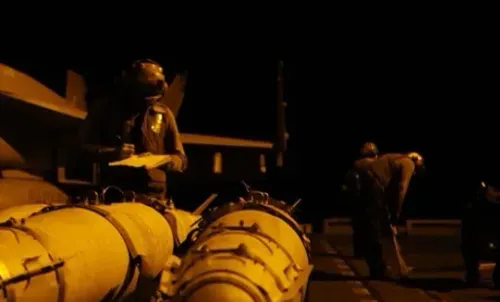
CENTCOM targeted Iranian military operations centres, aircraft hangars, drone storage facilities, maritime capabilities, and logistics infrastructure.
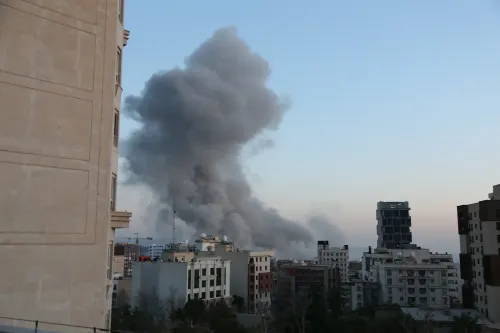
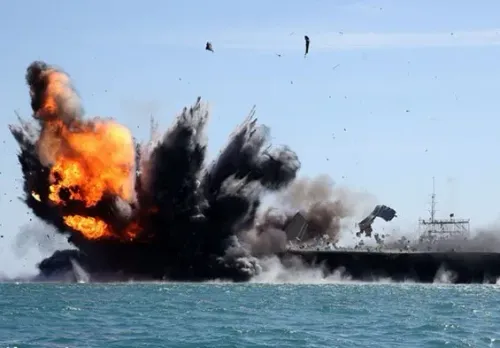
Iran's IRGC launched retaliatory missile and drone strikes on US bases in Bahrain , Kuwait , and Jordan , including Camp Arifjan and Shaikh Isa Air Base .
Iran has attacked more than 30 commercial vessels in the Strait of Hormuz over the past three months , according to CENTCOM.
Since early May , US forces have facilitated transit of approximately 900 commercial vessels carrying around 450 million barrels of crude oil through the strait.
The IRGC warned the strikes were intended to 'pave the way for broader missile and drone operations' against US regional targets.
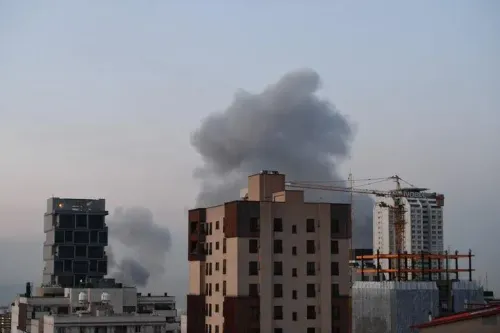
US Central Command (CENTCOM) confirmed on Tuesday that American forces completed their 11th consecutive night of strikes against Iran, with operations commencing at 7 p.m. ET and concluding at 8:15 p.m. ET. The strikes targeted Iranian military infrastructure, as the conflict over commercial shipping in the Strait of Hormuz entered a sharply escalatory phase.
What CENTCOM Targeted
According to CENTCOM, its assets struck Iranian military operations centres, maritime capabilities, aircraft hangars, drone storage facilities, and military logistics infrastructure. The command said the operations were designed to 'further degrade Iran's ability to threaten commercial shipping in the Strait of Hormuz.'
CENTCOM noted that since early May, its forces have facilitated the transit of approximately 900 commercial vessels carrying around 450 million barrels of crude oil through the strategically critical waterway. The strait, it said, remains open for commercial vessel transit despite ongoing hostilities.
Iran's Retaliatory Strikes on US Bases
Iran's armed forces said they launched coordinated missile and drone strikes against US bases, assets, and infrastructure in Bahrain, Kuwait, and Jordan in response to the latest round of American attacks. The Islamic Revolutionary Guard Corps (IRGC), in statements carried by its official outlet Sepah News, said its aerospace forces targeted US air defence systems, radar facilities, communications infrastructure, and other military assets.
Specific sites reportedly struck include Camp Arifjan, Ahmad al-Jaber Air Base, and Shaikh Isa Air Base. The IRGC described the strikes as 'retaliation' for recent US operations on Iranian soil and said they were intended to 'pave the way for broader missile and drone operations against US military targets in the region.'
Scale of Iranian Aggression in the Strait
CENTCOM said that over the past three months, Iran has attacked more than 30 commercial vessels transiting the Strait of Hormuz — a waterway vital to regional and global energy trade. The command characterised these attacks as 'unwarranted,' stating they had 'endangered hundreds of innocent mariners and undermined freedom of navigation.'
Notably, this is the most sustained US military campaign in the region in recent years, with eleven consecutive nights of strikes representing a significant and escalating commitment of force.
What Happens Next
The IRGC's warning of 'broader' future operations signals that both sides are preparing for further escalation. The Strait of Hormuz, through which a significant share of the world's seaborne oil passes, remains the central flashpoint. Regional US allies — including those hosting American bases now under Iranian fire — face mounting pressure as the conflict widens beyond Iranian and US territory.
Point of View
And Iran's decision to now strike US bases in Bahrain, Kuwait, and Jordan marks a qualitative escalation that changes the regional calculus entirely. The conflict has migrated from Iranian soil to the doorsteps of US allies, which raises the question of whether Washington's stated objective — protecting Strait of Hormuz shipping — can be achieved without a far larger military commitment. The IRGC's explicit warning of 'broader' operations suggests Tehran is not seeking de-escalation. Meanwhile, the 30-vessel attack figure and the 450-million-barrel facilitation number are both strategic messaging: each side is framing this as a battle for the global energy order, not just a bilateral dispute. India, which depends heavily on Gulf oil and has significant diaspora in the region, is watching a conflict it has no seat at but enormous stakes in.
NationPress
22 Oct 2026
Frequently Asked Questions
What did US forces strike in Iran on Tuesday night?
US forces struck Iranian military operations centres, maritime capabilities, aircraft hangars, drone storage facilities, and military logistics infrastructure on Tuesday night — their 11th consecutive night of strikes. CENTCOM said the operations were aimed at degrading Iran's ability to threaten commercial shipping in the Strait of Hormuz.
How did Iran retaliate against the US strikes?
Iran's armed forces, including the IRGC, launched missile and drone strikes against US military bases and infrastructure in Bahrain, Kuwait, and Jordan. Targets reportedly included Camp Arifjan, Ahmad al-Jaber Air Base, and Shaikh Isa Air Base. The IRGC described the attacks as retaliation and warned of broader future operations.
How many commercial vessels has Iran attacked in the Strait of Hormuz?
According to CENTCOM, Iran has attacked more than 30 commercial vessels transiting the Strait of Hormuz over the past three months. The command said these attacks endangered hundreds of mariners and undermined freedom of navigation.
Is the Strait of Hormuz still open for shipping?
Yes, according to CENTCOM. Despite ongoing hostilities, the strait remains open for commercial vessel transit. Since early May, US forces have reportedly helped facilitate the passage of approximately 900 commercial vessels carrying around 450 million barrels of crude oil.
What is the significance of 11 consecutive nights of US strikes on Iran?
Eleven consecutive nights of strikes represents one of the most sustained US military campaigns against Iran in recent history, signalling a deliberate strategy of attrition rather than a one-off response. The escalation — now drawing retaliatory strikes on US bases across three countries — raises the risk of a broader regional conflict.