CM Sai Hails Sirpur's Entry to UNESCO Tentative List
Synopsis
Chhattisgarh CM Vishnu Deo Sai hailed Sirpur's entry onto UNESCO's tentative World Heritage list, framing it as a victory for PM Modi's 'Virasat Bhi, Vikas Bhi' vision and a step toward global recognition of the state's 6th–12th century archaeological legacy.
Key Takeaways
Sirpur , an archaeological site in Mahasamund district, Chhattisgarh , has been included on UNESCO's tentative World Heritage list.
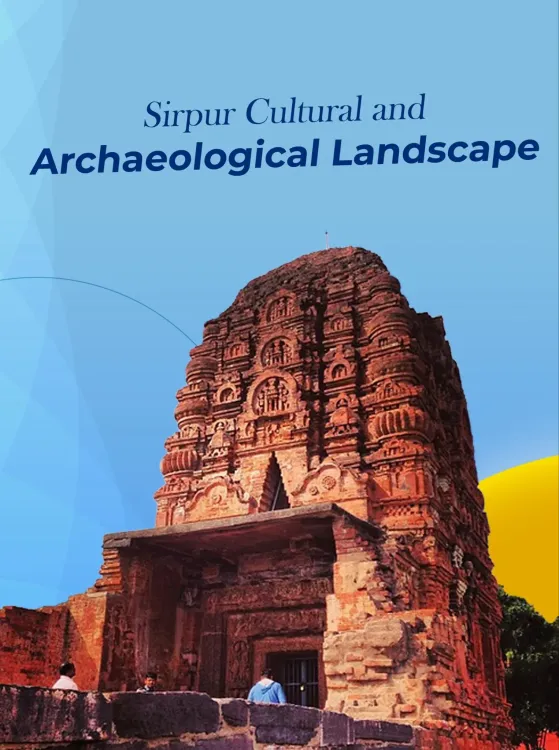
CM Vishnu Deo Sai described Sirpur as 'priceless heritage of rich civilisation, art, spirituality and tradition of knowledge.' The site contains monuments from the 6th to 12th centuries , including brick Shiva temples and Buddhist viharas , excavated since the 1950s.
UNESCO's tentative list is the mandatory first step before a formal World Heritage nomination — full inscription requires an ICOMOS evaluation and World Heritage Committee approval.
The development aligns with PM Modi's 'Virasat Bhi, Vikas Bhi' framework, which pairs heritage conservation with tourism infrastructure investment.
Sirpur's Buddhist heritage carries particular diplomatic weight as India projects itself as Buddhism's spiritual homeland across Southeast and East Asia.
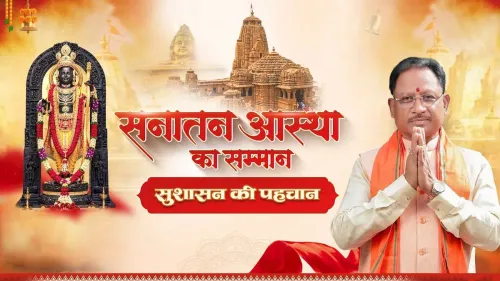
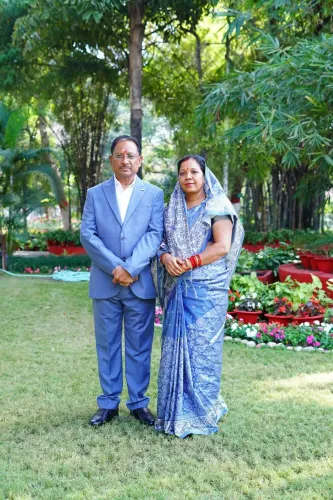
An ancient city of brick temples, Buddhist monasteries, and centuries of layered civilisation may soon carry a global stamp of recognition. Chhattisgarh Chief Minister Vishnu Deo Sai on Thursday, 22 October 2026, welcomed the inclusion of Sirpur on UNESCO's tentative list, calling it a defining moment for the state's cultural heritage on the world stage.
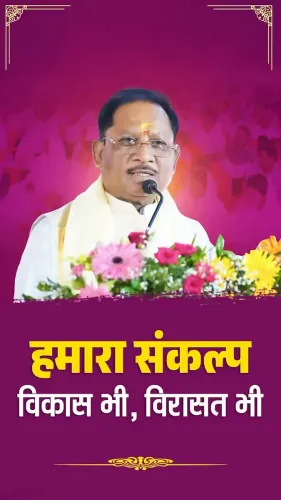
Posting in Hindi, CM Sai said: 'Sirpur hamaari samriddh sabhyata, kala, adhyatmikata aur gyaan parampara ki anmol dharohar hai' — 'Sirpur is the priceless heritage of our rich civilisation, art, spirituality and tradition of knowledge.' He framed the development within Prime Minister Narendra Modi's 'Virasat Bhi, Vikas Bhi' — 'Heritage too, Development too' — framework, crediting the Prime Minister's 'visionary leadership' for giving Chhattisgarh's cultural legacy a global platform.
What Sirpur Carries Inside Its Ruins
Sirpur, located in Mahasamund district of Chhattisgarh, is no ordinary archaeological find. The site preserves monuments from the 6th to 12th centuries — brick-built Shiva temples, Buddhist viharas (monasteries), and the remnants of what scholars identify as a thriving intellectual and spiritual centre of ancient India. Excavations have proceeded since the 1950s, and every layer of soil has deepened the site's historical argument for world-class recognition.
UNESCO's tentative list is the mandatory first step before a formal World Heritage nomination can be filed. A site's presence on it signals that the nominating government considers it of potential 'Outstanding Universal Value' — the threshold UNESCO uses to judge inscriptions. Getting onto that list is not ceremonial; it is the gateway to the full evaluation pipeline.
'Virasat Bhi, Vikas Bhi' — The Policy Engine Behind the Push
Since 2014, the Union Ministry of Culture has systematically forwarded Indian sites for UNESCO tentative listing as part of a broader strategy that pairs heritage conservation with infrastructure investment — site museums, road connectivity, visitor facilities. The current administration has accelerated that pipeline while giving it a sharper diplomatic edge: UNESCO recognition is treated simultaneously as cultural pride, domestic tourism fuel, and soft-power currency.
For Chhattisgarh, a state that came into existence only in 2000 and is still building its national cultural identity, a UNESCO nod for Sirpur would be transformative. The site's Buddhist heritage, in particular, carries international resonance at a moment when India is actively projecting itself as the spiritual homeland of Buddhism to audiences across Southeast Asia, East Asia, and beyond.
What Comes Next for Sirpur
Tentative listing opens the door — it does not guarantee inscription. The next stages involve a formal nomination dossier, an evaluation mission by ICOMOS (the advisory body to UNESCO on cultural sites), and a decision by the World Heritage Committee. That process typically takes several years. Watchers will now track whether accompanying central or state budget allocations flow toward site protection, conservation science, and the visitor infrastructure Sirpur would need to absorb a surge in footfall.
If Sirpur eventually earns full World Heritage status, it would join a list that includes India's Ajanta Caves, Hampi, Sanchi, and the Khajuraho Group of Monuments — raising the bar and the expectations for what a heritage-rich but economically developing state like Chhattisgarh can deliver to the world.
A site that survived a thousand years of history now faces a different kind of test — one measured in UNESCO committee rooms and conservation budgets. Sirpur has waited this long. The clock has started.
Point of View
The milestone serves a dual purpose: it reinforces the 'Virasat Bhi, Vikas Bhi' narrative ahead of future electoral cycles and positions a relatively young state on the national cultural map. The real test will come in whether conservation funding and infrastructure investment follow the announcement — UNESCO recognition amplifies visitor pressure on fragile sites, and underprepared heritage zones can suffer as much from fame as from neglect. Sirpur's Buddhist angle also feeds India's broader diplomatic play in Buddhist-majority nations, making this as much a foreign-policy asset as a domestic tourism story.
NationPress
22 Oct 2026
Frequently Asked Questions
What is Sirpur and why is it historically significant?
Sirpur is an archaeological site in Mahasamund district of Chhattisgarh containing monuments from the 6th to 12th centuries, including brick Shiva temples, Buddhist monasteries (viharas), and evidence of a major ancient intellectual and spiritual centre. Excavations have been ongoing since the 1950s.
What does UNESCO's tentative list mean for Sirpur?
The tentative list is the mandatory first step before a formal World Heritage nomination. Inclusion signals that the Indian government considers Sirpur to have 'Outstanding Universal Value,' but full inscription requires a nomination dossier, an evaluation by heritage body ICOMOS, and approval by the UNESCO World Heritage Committee — a process that typically takes several years.
What is the 'Virasat Bhi, Vikas Bhi' framework CM Sai mentioned?
'Virasat Bhi, Vikas Bhi' — 'Heritage too, Development too' — is a policy framework associated with PM Narendra Modi's government that links heritage conservation with infrastructure investment such as site museums, road connectivity, and visitor facilities.
How many UNESCO World Heritage Sites does India currently have?
India has a substantial number of UNESCO World Heritage Sites including Ajanta Caves, Hampi, Sanchi, and the Khajuraho Group of Monuments, making it one of the leading countries on the World Heritage List. Sirpur's eventual inscription would add to that count.
What happens after a site is placed on UNESCO's tentative list?
After tentative listing, the nominating country must prepare a detailed nomination dossier. UNESCO's advisory body ICOMOS then conducts a field evaluation. The World Heritage Committee makes the final inscription decision, usually at its annual session. The entire process from tentative listing to inscription can take several years.