US strikes Iran for 13th straight night; IRGC halts tankers at Hormuz
Synopsis
For the 13th night running, US forces have struck Iran — and the conflict has now spilled into the Strait of Hormuz, where the IRGC claims it stopped three oil tankers, one of which caught fire. With Trump openly weighing strikes larger than Operation Epic Fury, this is no longer a contained campaign. It is an escalating confrontation with one of the world's most critical energy chokepoints in the middle of it.
Key Takeaways
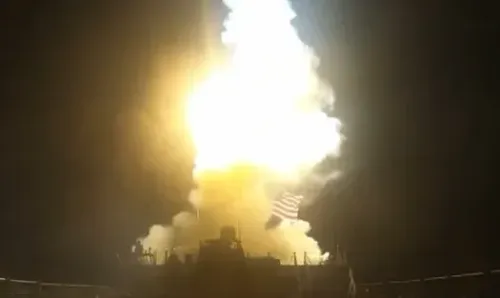
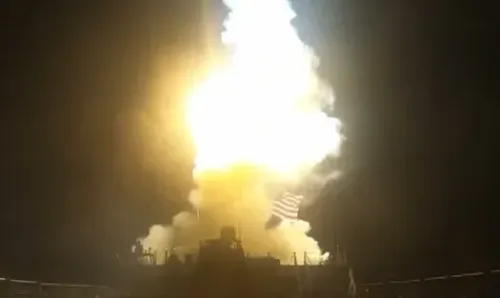
US Central Command launched strikes on Iranian military targets for the 13th consecutive night on 24 July , beginning at 6:45 p.m.
CENTCOM has redirected 12 commercial vessels and disabled one since resuming its naval blockade against Iran nine days ago .
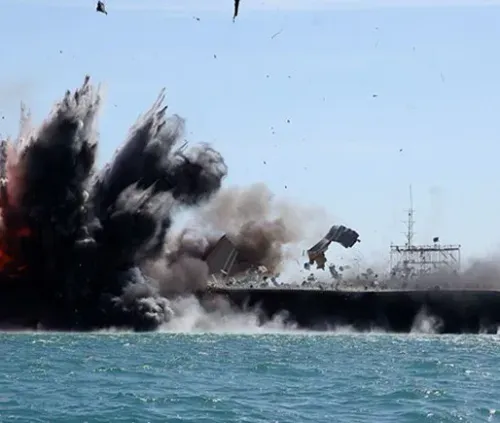
The IRGC claimed it blocked three oil tankers at the Strait of Hormuz ; one reportedly exploded and caught fire.
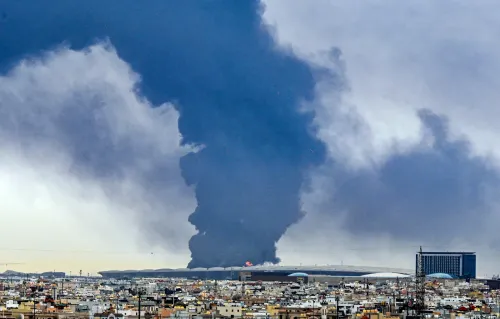
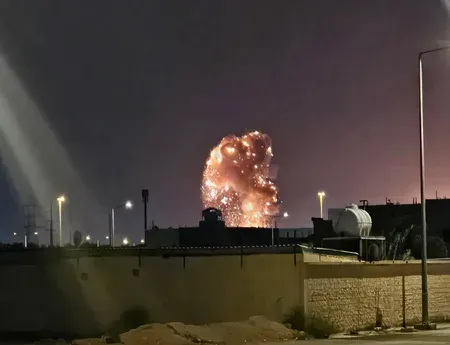
On Wednesday , US missiles reportedly struck near Ahvaz , Ramshir , Andimeshk , and a power station near the Bushehr nuclear power plant , killing two people in Shalamcheh , according to Iranian state media.
President Donald Trump told Axios he is considering combat operations larger than Operation Epic Fury , launched on 28 February .
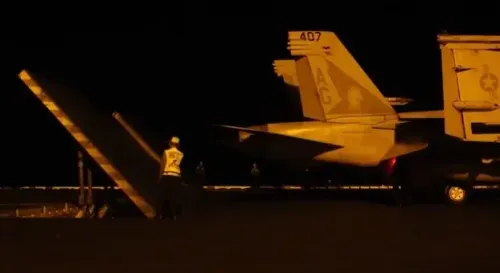
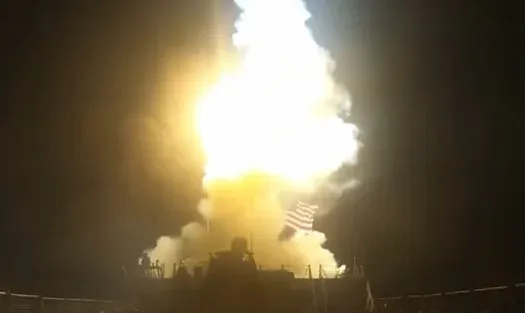
US Central Command launched a fresh wave of strikes against Iranian military targets on Thursday evening (24 July, local time), marking the 13th consecutive night of American attacks on Iran. The strikes commenced at 6:45 p.m. Eastern Time, with CENTCOM stating they were designed 'to hold Iran accountable and diminish threats from the Islamic Revolutionary Guard Corps (IRGC) to commercial shipping.'
Naval Blockade Tightens
Since resuming a naval blockade against Iran earlier this month, US forces have redirected 12 commercial vessels and disabled one to prevent ships from entering or leaving Iranian ports or coastal areas, according to CENTCOM. The blockade, now in its ninth day, represents a significant escalation in the maritime dimension of the conflict, layering economic pressure on top of the nightly air campaign.
IRGC Blocks Tankers; One Catches Fire at Strait of Hormuz
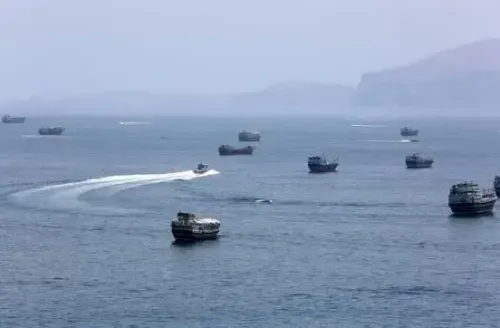
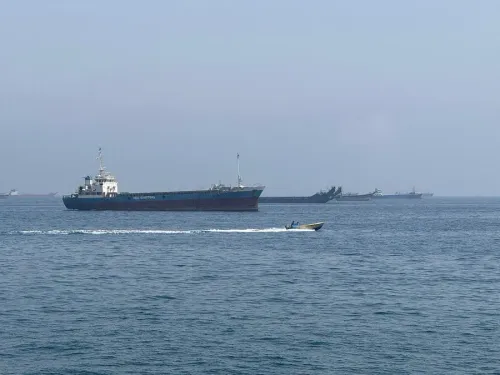
Earlier on Thursday, the IRGC claimed it had stopped three oil tankers from transiting the Strait of Hormuz — one of the world's most critical energy chokepoints. According to a statement carried by Iranian state media, one tanker 'exploded and caught fire' after attempting to navigate what the IRGC described as a 'mine-laid route' south of the strait, prompting the other two to turn back.
The IRGC warned that any vessel 'deceived' by the United States and attempting passage without Iran's consent 'will suffer the same fate.' The incident marks a dangerous new front in the conflict, with energy markets and global shipping lanes now directly in the crossfire.
Previous Night's Strikes: Cities and Nuclear Plant Vicinity Hit
On Wednesday (Washington time), US forces struck Iranian locations for the 12th consecutive night. According to Iranian state media, American missiles hit sites near the cities of Ahvaz, Ramshir, and Andimeshk in western Iran, as well as a power station near the Bushehr nuclear power plant in southern Iran. Two people were reportedly killed in the town of Shalamcheh, on the Iraqi border, according to the same reports.
Trump Weighs Escalation to Larger Combat Operations
Also on Thursday, US President Donald Trump told online media outlet Axios that he is considering restarting major combat operations in Iran — including strikes larger in scale than Operation Epic Fury, which he launched on 28 February. The remarks signal that the current nightly campaign, already the longest sustained US military action against Iran in history, may not represent the ceiling of American intent.
This comes amid mounting concern from energy analysts and regional governments over the stability of Strait of Hormuz transit, through which an estimated 20% of global oil supply passes. With no diplomatic off-ramp publicly visible and Trump openly weighing expanded strikes, the trajectory of the conflict remains sharply upward.
Point of View
And the world has not fully reckoned with what that means for energy markets. The IRGC's move to mine routes through the Strait of Hormuz and set a tanker on fire is not a bluff; it is a direct threat to the 20% of global oil that transits that chokepoint daily. Trump's public musing about strikes 'bigger than Operation Epic Fury' removes any ambiguity about American intent, but also removes the diplomatic ladder. The question mainstream coverage underweights is this: at what point does the naval blockade and the tanker war force a third-party power — China, which depends heavily on Gulf oil — to act? That escalation path is underexamined and potentially the most consequential.
NationPress
22 Oct 2026
Frequently Asked Questions
Why has the US been striking Iran for 13 consecutive nights?
The US Central Command has stated that the strikes are intended to hold Iran accountable and reduce threats from the Islamic Revolutionary Guard Corps to commercial shipping. The campaign, which began with Operation Epic Fury on 28 February, has continued nightly as part of a broader military and naval pressure strategy against Iran.
What happened to the oil tankers at the Strait of Hormuz?
The IRGC claimed on Thursday that it stopped three oil tankers from transiting the Strait of Hormuz, describing the route as 'mine-laid.' One tanker reportedly exploded and caught fire, causing the other two to turn back. The IRGC warned that any vessel attempting passage without Iran's consent would face the same outcome.
What did the US naval blockade of Iran involve?
Since resuming the naval blockade against Iran nine days ago, CENTCOM says it has redirected 12 commercial vessels and disabled one to prevent ships from entering or leaving Iranian ports or coastal areas. The blockade adds an economic dimension to the nightly air campaign.
What targets were struck on the 12th night of US attacks on Iran?
According to Iranian state media, US missiles on Wednesday struck locations near the cities of Ahvaz, Ramshir, and Andimeshk in western Iran, as well as a power station near the Bushehr nuclear power plant in southern Iran. Two people were reportedly killed in the town of Shalamcheh on the Iraqi border.
Is President Trump considering a bigger military operation against Iran?
Yes. President Donald Trump told Axios on Thursday that he is considering restarting major combat operations in Iran, including strikes larger in scale than Operation Epic Fury, which he launched on 28 February. No formal announcement or timeline has been confirmed.