US strikes Iran again on July 19, targeting Hormuz shipping threat
Synopsis
The US has launched yet another wave of strikes against Iran on 19 July, days after IRGC forces killed two American service members in Jordan. With 16 US troops dead since February, a naval blockade in force, and 50,000 American personnel deployed across the Middle East, this is one of the most sustained direct US military campaigns against Iran in modern history — and shows no sign of stopping.
Key Takeaways
US Central Command launched fresh airstrikes against Iran on 19 July at 6 p.m.
ET , on direct orders from the Commander in Chief .
Two US service members were killed and one remains missing after an IRGC -linked strike on a US base in Jordan on Friday .
Total US military deaths since strikes on Iran began on 28 February now stand at 16 .
Strikes target Iran's surveillance sites, weapons storage, logistics infrastructure, and maritime capabilities in its southern provinces.
The US is enforcing a naval blockade against Iranian ports, with more than 50,000 American troops deployed across the Middle East .
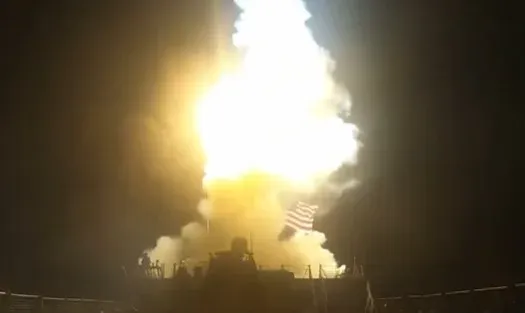
US Central Command (CENTCOM) launched a fresh wave of airstrikes against Iran on 19 July at 6 p.m. ET, acting on direct orders from the Commander in Chief, according to an official statement. The strikes are aimed at further degrading Iran's capacity to threaten commercial shipping in the Strait of Hormuz and to retaliate against Islamic Revolutionary Guard Corps (IRGC) forces that attacked American personnel in Jordan the previous night.
Latest Strike Details
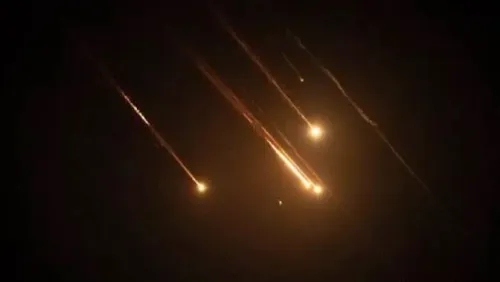
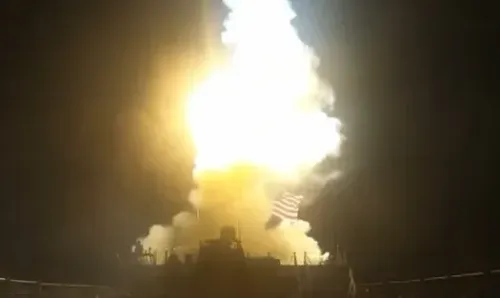
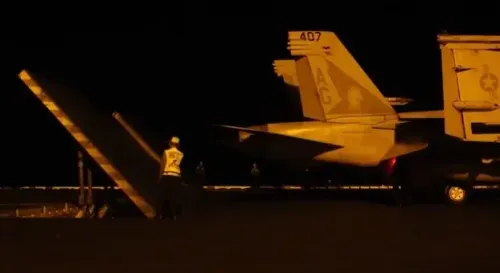
According to CENTCOM, the new round of strikes follows seven consecutive nights of US military action, the last of which concluded on 17 July at 9:30 p.m. ET. Targets in that prior wave included surveillance sites, military logistics infrastructure, underground weapons storage facilities, and maritime capabilities across Iran's southern provinces. US forces deployed fighter aircraft, aerial drones, warships, and other assets in those operations.
US Casualties in Jordan
The renewed strikes come after CENTCOM confirmed early on Saturday that two US service members were killed and one remains missing following an IRGC-linked strike on a US base in Jordan on Friday. The deaths bring the total number of American military personnel killed to 16 since the United States and Israel launched coordinated attacks on Iran beginning 28 February.
Naval Blockade and Regional Posture
CENTCOM stated it continues to enforce a naval blockade against Iranian ports alongside the strike campaign. The command noted that more than 50,000 American service members are currently operating across the Middle East, describing them as 'vigilant, lethal, and ready.' The blockade represents a significant escalation in the economic and military pressure being applied on Tehran.
Strategic Context
The Strait of Hormuz is one of the world's most critical maritime chokepoints, through which a substantial share of global oil exports passes. Washington has framed its strike campaign as defensive — aimed at protecting commercial shipping lanes — though the scale and duration of the operation mark it as one of the most sustained direct US military engagements against Iran in decades. Critics and international observers have raised concerns about the risk of broader regional escalation, particularly given the ongoing conflict involving Israel in the region.
What Comes Next
With CENTCOM signalling continued operations 'at the Commander in Chief's direction,' further strikes appear likely as long as IRGC attacks on US personnel persist. The fate of the one missing service member in Jordan and diplomatic responses from Tehran and regional powers will be closely watched in the coming hours and days.
Point of View
A naval blockade, and 50,000 troops in theatre — has moved well beyond a retaliatory gesture. Washington is now engaged in what is effectively an undeclared war of attrition against Iran, with the Strait of Hormuz as the stated justification but regime pressure as the visible effect. The rising US death toll (16 since February) adds domestic political urgency, but also the risk that each escalatory rung invites a harder IRGC response. The missing service member in Jordan is a live crisis that could accelerate the tempo further. What is absent from the official framing is any articulated off-ramp — raising the question of what 'success' looks like and how this ends.
NationPress
18 Oct 2026
Frequently Asked Questions
Why did the US launch new strikes against Iran on 19 July?
US Central Command launched the strikes to further degrade Iran's ability to threaten commercial shipping in the Strait of Hormuz and to retaliate against IRGC forces that attacked a US base in Jordan on Friday, killing two American service members. The action was ordered directly by the Commander in Chief.
How many US troops have been killed since strikes on Iran began?
A total of 16 US military personnel have been killed since the United States and Israel launched attacks on Iran beginning 28 February. The two deaths in Jordan on Friday were the latest, and one service member remains missing.
What has the US military targeted inside Iran?
US forces have struck surveillance sites, military logistics infrastructure, underground weapons storage facilities, and maritime capabilities, primarily in Iran's southern provinces. Fighter aircraft, aerial drones, and warships have all been used in the campaign.
What is the US naval blockade against Iran?
CENTCOM is enforcing a naval blockade against Iranian ports as part of its broader pressure campaign. The blockade runs alongside the air and drone strike operations and is aimed at restricting Iran's maritime and economic activity.
Why does the Strait of Hormuz matter in this conflict?
The Strait of Hormuz is one of the world's most critical oil shipping chokepoints. The US has framed its strikes as aimed at preventing Iran from threatening commercial vessels passing through the strait, which would have significant consequences for global energy supply.