Iran IRGC vows retaliation after US strikes near Strait of Hormuz
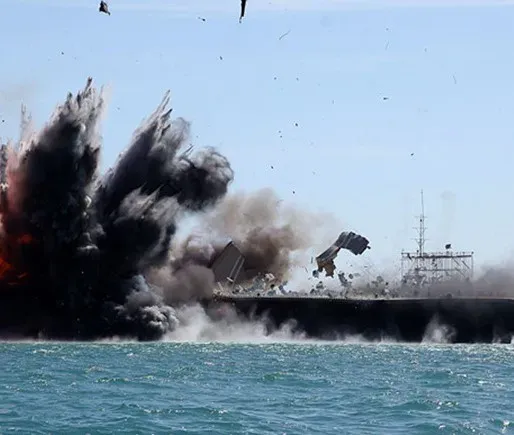
Synopsis
The fragile US-Iran ceasefire, in place since 8 April, is cracking — US strikes on Iranian missile sites and mine-laying boats near the Strait of Hormuz have drawn a sharp IRGC retaliation threat. With 100 vessels already redirected by a US naval blockade and Iran claiming escort authority over 25 ships in 24 hours, the world's most critical oil corridor is now the front line of a conflict with direct consequences for global energy markets.
Key Takeaways
Iran's IRGC threatened a 'strong and crushing response' after US military strikes on missile launch sites and mine-laying boats near the Strait of Hormuz .
CENTCOM confirmed the strikes in southern Iran , describing them as self-defence to protect American forces.
The IRGC claimed 25 vessels — oil tankers and commercial ships — transited the strait under its security coordination in the past 24 hours .
A fragile ceasefire has been in place since 8 April ; the latest strikes have put it under severe strain.
The US Navy blockade has redirected 100 vessels and disabled four as of last week.
Iran barred safe passage to US- and Israel-affiliated vessels from 28 February , following joint strikes on Iranian territory.
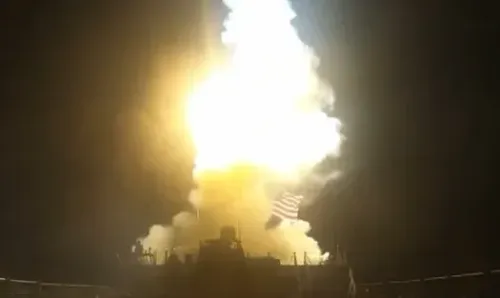
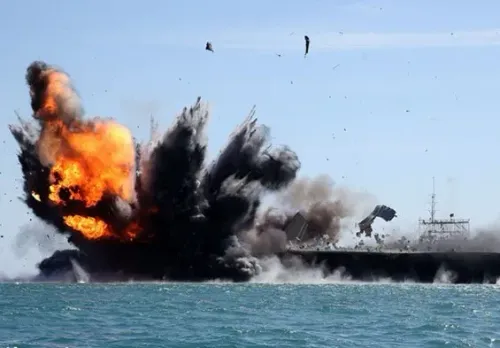
Iran's Islamic Revolutionary Guard Corps (IRGC) has threatened a 'strong and crushing response' to the United States following American military strikes on Iranian missile launch sites and armed boats near the Strait of Hormuz, escalating tensions around one of the world's most critical energy chokepoints.
What the IRGC Said
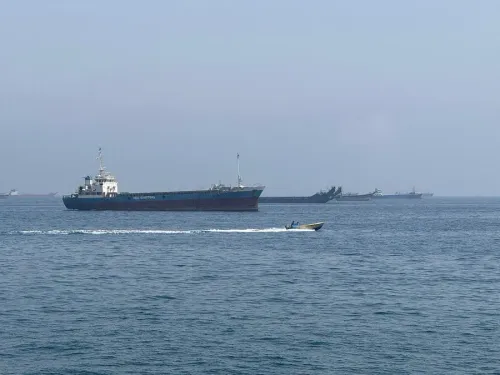
In a statement carried by the IRGC's official outlet, Sepah News, the IRGC Navy declared it is 'firmly carrying out intelligent control' over the Strait of Hormuz and warned that any 'act of aggression' would be met with a 'strong and crushing response.' The Corps also claimed that 25 vessels — including oil tankers, container ships, and other commercial craft — transited the strategic waterway safely over the preceding 24 hours under IRGC coordination and security authorisation.
US Strikes and CENTCOM's Position
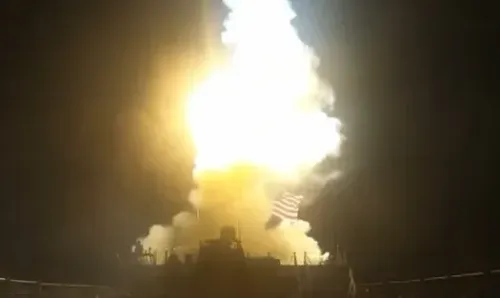
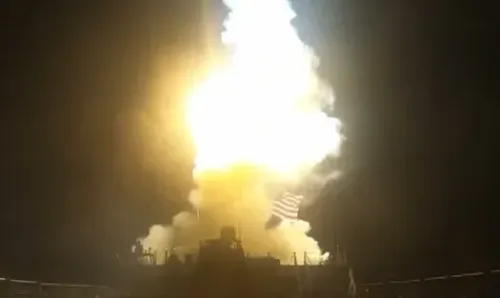
The US Central Command (CENTCOM) confirmed that American forces struck missile launch sites and mine-laying boats in southern Iran on Monday, framing the action as self-defence. CENTCOM spokesperson Tim Hawkins said in a statement: 'US forces conducted self-defence strikes in southern Iran today to protect our troops from threats posed by Iranian forces.' Hawkins added that the strikes targeted 'missile launch sites and Iranian boats attempting to emplace mines,' and that CENTCOM was 'continuing to defend our forces while using restraint during the ongoing ceasefire.'
Ceasefire Under Strain
The strikes have put severe pressure on a fragile ceasefire that took effect on 8 April, as Washington and Tehran continue to struggle toward a broader accord. The conflict has rattled the global economy through significant disruption of energy flows, with the Strait of Hormuz — through which a substantial share of the world's seaborne oil passes — at the centre of the standoff. This is not the first flashpoint: Iran tightened its grip on the strait beginning 28 February, when it barred safe passage to vessels belonging to or affiliated with Israel and the United States, following joint strikes on Iranian territory.
Naval Blockade and Shipping Disruption
The US Navy has enforced a blockade on Iran's ports, preventing ships travelling to and from Iranian ports from transiting the waterway. According to CENTCOM, the naval blockade had, as of last week, redirected 100 vessels and disabled four. Iran, for its part, has maintained its own controls on Gulf shipping through the strait, creating a dual-pressure environment that has left commercial operators navigating overlapping and conflicting restrictions.
What Happens Next
With both sides claiming defensive postures while conducting offensive operations, the path to a durable ceasefire remains narrow. Any further exchange near the Strait of Hormuz risks triggering a broader escalation that could spike global oil prices and deepen supply-chain disruptions already weighing on international markets. Diplomatic back-channels, reportedly still active, will face a stiff test in the coming days.
Point of View
The Strait of Hormuz has effectively become a contested zone with two competing enforcement regimes. What mainstream coverage underplays is the commercial dimension: shipping insurers and tanker operators are already pricing in risk, and a single miscalculation — a misfired mine, a vessel seized — could push oil markets into territory that makes diplomatic resolution politically harder on both sides. The window for a negotiated accord is narrowing with each exchange.
NationPress
16 Oct 2026
Frequently Asked Questions
Why did the US strike targets in southern Iran near the Strait of Hormuz?
The US Central Command said American forces struck missile launch sites and mine-laying boats in southern Iran as acts of self-defence to protect US troops from threats posed by Iranian forces. CENTCOM stated it was acting with restraint during the ongoing ceasefire.
How has Iran responded to the US strikes?
Iran's Islamic Revolutionary Guard Corps threatened a 'strong and crushing response' to any act of aggression, issuing the warning through its official outlet Sepah News. The IRGC Navy also asserted it is maintaining 'intelligent control' over the Strait of Hormuz.
What is the current status of the US-Iran ceasefire?
A ceasefire between the US and Iran has been in place since 8 April, but it remains fragile. The latest US strikes and IRGC retaliation threats have put the truce under significant strain as both sides have yet to reach a broader accord.
How is the Strait of Hormuz shipping situation affecting global trade?
The conflict has severely disrupted energy flows through the Strait of Hormuz, one of the world's most critical oil corridors. The US Navy blockade has redirected 100 vessels and disabled four, while Iran has barred US- and Israel-affiliated ships since 28 February, creating overlapping restrictions for commercial operators.
What did the IRGC claim about vessel movements through the Strait of Hormuz?
The IRGC Navy claimed that 25 vessels, including oil tankers, container ships, and other commercial craft, safely transited the Strait of Hormuz in the past 24 hours under its coordination and security authorisation, asserting its control over the waterway.