IRGC warns ships: Strait of Hormuz 'completely closed' amid Iran-US tensions
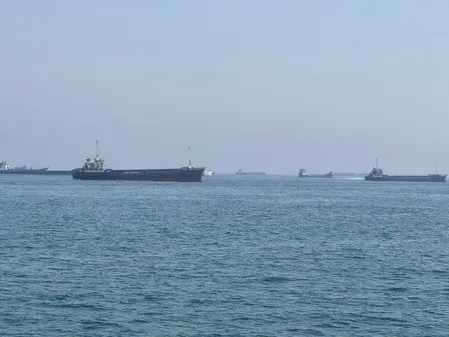
Synopsis
Iran's IRGC navy declared the Strait of Hormuz 'completely closed' and warned all ships to halt transit — even as US President Trump claimed a peace deal with Iran was hours away. With 46 confirmed shipping incidents and 14 seafarer deaths already logged by the IMO, the world's most critical oil chokepoint is at the centre of a fast-moving and potentially explosive standoff.
Key Takeaways
Iran's IRGC navy declared the Strait of Hormuz 'completely closed' on 14 June , warning all vessels to halt movement 'until further notice.' US President Donald Trump said a peace deal with Iran was set to be signed on Sunday, with the strait to reopen immediately after.
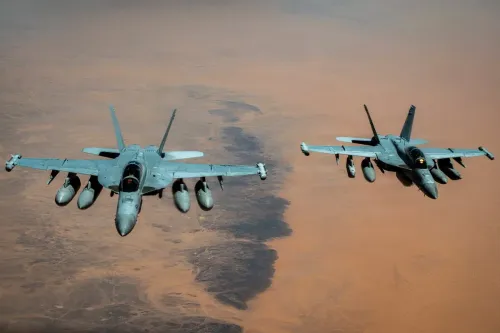
The US military confirmed it downed several Iranian drones targeting commercial vessels in the strait late Friday.
The IMO confirmed 46 shipping incidents and 14 seafarer fatalities in the region as of 11 June .
The US military also confirmed it carried out a strike on a tanker that reportedly killed three seafarers , an attack the IMO strongly condemned.
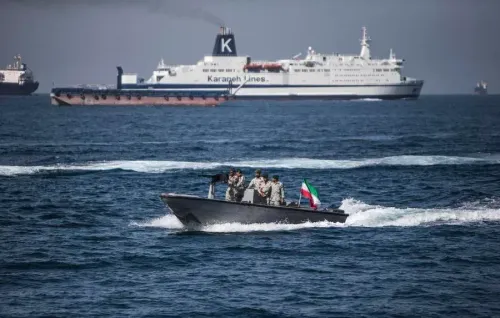
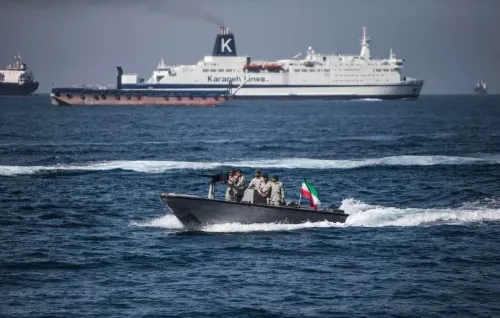
Iran's Islamic Revolutionary Guard Corps (IRGC) navy issued a stark warning to all vessels in the Persian Gulf and Gulf of Oman on 14 June, declaring the Strait of Hormuz 'completely closed' and threatening to deal 'decisively' with any ship attempting to transit the critical waterway. The warning was captured in an audio recording from a public maritime radio channel, shared by a crew member aboard a commercial vessel near the strait.
What the Recording Revealed
The recorded message, broadcast over a public maritime radio channel, addressed all vessels in the region in unambiguous terms. 'For the sake of your health and safety, absolutely refrain from any movement in the Strait of Hormuz until further notice,' the IRGC navy stated, according to the recording. The tone and phrasing left little room for interpretation — the closure was being treated as an active enforcement order, not a caution.
US-Iran Peace Deal on the Horizon
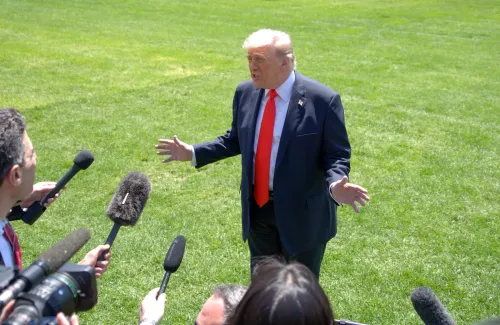
The warning came against the backdrop of fast-moving diplomatic signals. US President Donald Trump said on Saturday that a peace deal with Iran was scheduled to be signed on Sunday and that the Strait of Hormuz would reopen immediately afterward. The juxtaposition of an active IRGC closure order and a near-simultaneous US announcement of an imminent peace deal underscores the volatile and rapidly shifting nature of the standoff.
US Military Action and Drone Interceptions
The US military confirmed late Friday that it had intercepted and downed several Iranian drones targeting commercial vessels in the Strait of Hormuz. Separately, the US military also confirmed it had carried out a strike on a tanker — an attack the International Maritime Organization (IMO) had strongly condemned on Wednesday after reports that it left three seafarers dead.
Scale of the Crisis: IMO Data
The IMO reported that as of 11 June, 46 confirmed incidents involving international shipping had occurred in and around the Strait of Hormuz and the broader Middle East region, resulting in 14 confirmed seafarer fatalities. Maritime traffic through the strait has declined sharply in recent months as attacks on commercial shipping have escalated, disrupting one of the world's most vital energy corridors.
Why the Strait of Hormuz Matters
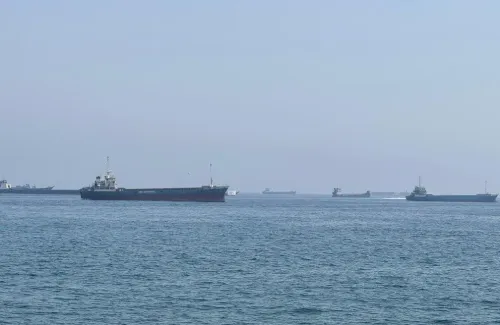
The Strait of Hormuz is among the world's most consequential maritime chokepoints, serving as the primary export route for oil and natural gas from the Persian Gulf region. A sustained closure — even a partial one — carries significant implications for global energy markets and supply chains. This is not the first time the IRGC has threatened or acted against shipping in the strait, but the scale of confirmed incidents and fatalities in the current episode marks a sharp escalation from previous episodes of tension.
With a peace deal reportedly imminent but the IRGC's closure order still active, the coming hours will be decisive for both maritime safety and the broader Iran-US diplomatic trajectory.
Point of View
Suggesting Tehran is using maritime leverage as a final bargaining chip rather than a genuine intent to sustain closure. What mainstream coverage underplays is the IMO's confirmation of 46 incidents and 14 deaths — a toll that has accumulated largely without triggering a coordinated international maritime response. The US military's own confirmed strike on a tanker, which the IMO condemned, adds a layer of accountability that complicates the West's narrative of Iran as the sole aggressor in these waters.
NationPress
23 Sept 2026
Frequently Asked Questions
What did the IRGC say about the Strait of Hormuz?
Iran's IRGC navy declared the Strait of Hormuz 'completely closed' via a public maritime radio broadcast, warning all vessels in the Persian Gulf and Gulf of Oman to refrain from any movement in the strait 'until further notice' or face 'decisive' consequences.
Is a US-Iran peace deal imminent?
US President Donald Trump stated on Saturday that a peace deal with Iran was scheduled to be signed on Sunday and that the Strait of Hormuz would reopen immediately afterward. However, the IRGC's closure order remained active as of 14 June, and no signed agreement had been confirmed.
How many shipping incidents have occurred near the Strait of Hormuz?
According to the International Maritime Organization (IMO), 46 confirmed incidents involving international shipping had taken place in and around the Strait of Hormuz and the broader Middle East region as of 11 June, resulting in 14 confirmed seafarer fatalities.
What action did the US military take?
The US military confirmed late Friday that it had downed several Iranian drones that were targeting commercial vessels in the Strait of Hormuz. The US military also separately confirmed carrying out a strike on a tanker that reportedly left three seafarers dead — an attack strongly condemned by the IMO.
Why is the Strait of Hormuz so important?
The Strait of Hormuz is one of the world's most critical maritime chokepoints, serving as the primary export route for oil and natural gas from the Persian Gulf. Any sustained disruption to traffic through the strait has direct consequences for global energy prices and supply chains.