Champawat herder earns ₹6 lakh selling goats to ITBP
Synopsis
The Uttarakhand CMO spotlighted how ITBP is providing a secure goat market to border herders in Champawat, with Kailash Fartyal supplying nearly ₹6 lakh worth of goats over three years — a civil-military model easing migration pressure in remote border villages.
Key Takeaways
Kailash Fartyal , a livestock keeper from Champawat , has supplied approximately ₹6 lakh worth of goats to ITBP over three years.
The Chief Minister's Office of Uttarakhand highlighted the arrangement as a model of border-community livelihood support.
ITBP functions as a reliable institutional buyer, offering herders a surakshit baazar (secure market) that informal local markets cannot match.
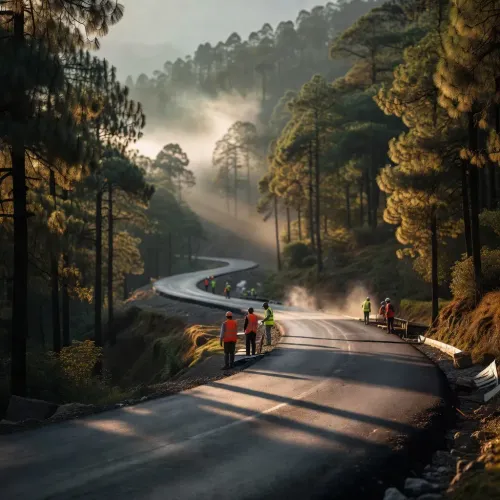
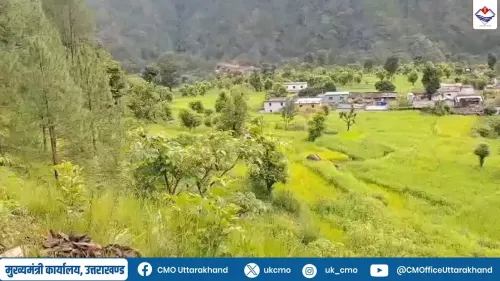
Champawat district borders Nepal and faces chronic out-migration; livestock rearing is a primary livelihood for families that remain.
Indian paramilitary forces in border districts have a broader pattern of local procurement that combines operational needs with community welfare.
The model could potentially be replicated in other Uttarakhand border districts such as Pithoragarh and Uttarkashi .
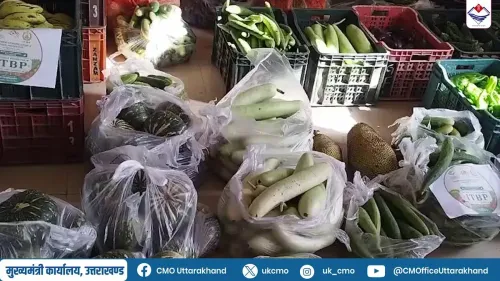
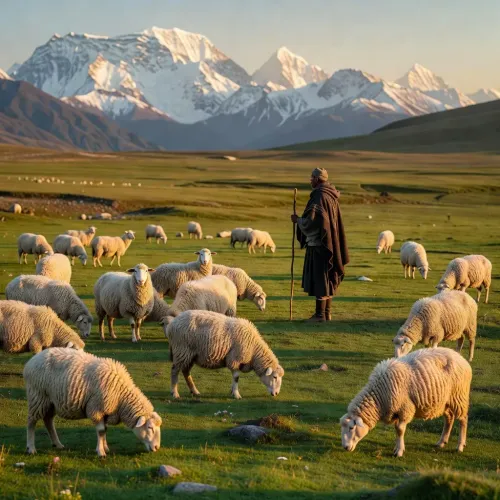
On the remote fringes of Champawat district, where the hills fold into the Nepal border and out-migration quietly hollows out villages, one livestock keeper found an unlikely anchor — the paramilitary camp next door. The Chief Minister's Office of Uttarakhand highlighted on 7 November 2026 how border herders in Champawat are accessing a steady, secure market for their goats through the Indo-Tibetan Border Police (ITBP), with Kailash Fartyal emerging as a standout example: over three years, he has supplied nearly ₹6 lakh worth of goats to ITBP, meaningfully strengthening his household income.
A border force as a guaranteed buyer
The arrangement taps into a logic that is quietly practical on both sides. ITBP battalions deployed in high-altitude border zones require a steady supply of meat and provisions; sourcing locally cuts logistics costs and delivery time across difficult mountain terrain. For herders like Fartyal, the force functions as what any smallholder dreams of — a bulk buyer who pays reliably and does not vanish after one season. The CMO post describes the market as 'surakshit baazar' (a secure market), a phrase that captures exactly what is missing for most marginal livestock keepers in Uttarakhand's border blocks.
Champawat's border economy and the migration pressure
Champawat, sharing a frontier with Nepal, is among Uttarakhand's districts where villages have thinned over decades as young people move to plains cities in search of work. Livestock rearing — particularly goat herding — remains one of the few viable livelihoods for families that stay. The absence of a reliable market, however, has long pushed sale prices down and made the occupation economically precarious. An assured institutional buyer like ITBP changes that calculus, offering price stability and volume that informal local markets rarely provide.
A pattern across India's border districts
This is not an isolated gesture. Indian paramilitary forces deployed across sensitive border districts have periodically procured local agricultural and livestock produce as part of broader civil-military community engagement. In Uttarakhand, where both the Nepal and China frontiers run through economically fragile hill communities, such procurement creates a dual dividend: operational self-sufficiency for the force and economic resilience for residents who might otherwise leave. The model in Champawat now raises a natural question — whether it can be formalised and extended to neighbouring districts like Pithoragarh or Uttarkashi, where similar border-community dynamics play out.
For Kailash Fartyal, the numbers tell a quiet success story. Three years, ₹6 lakh, and a livelihood that held. The border, for once, worked in his favour.
Point of View
Amplifying such stories serves a dual purpose: it signals attention to the state's demographically stressed border blocks and builds a soft case for formalising paramilitary procurement as a livelihood policy tool. If institutionalised under a state-central scheme, the model could become a meaningful counter to the out-migration that has long hollowed out Himalayan border communities. The real test will be whether it scales beyond individual success stories into a structured, auditable programme.
NationPress
7 Nov 2026
Frequently Asked Questions
How did ITBP help goat farmers in Champawat Uttarakhand?
ITBP provided border herders in Champawat a secure, reliable market by purchasing goats directly from local livestock keepers, eliminating dependence on volatile informal markets and ensuring steady income.
Who is Kailash Fartyal and what did he achieve?
Kailash Fartyal is a livestock keeper from Champawat district in Uttarakhand who supplied approximately ₹6 lakh worth of goats to ITBP over three years, significantly strengthening his household livelihood.
Why does ITBP buy goats from local farmers in border areas?
ITBP battalions deployed in remote high-altitude zones require steady meat and provisions; sourcing locally reduces logistics costs across difficult terrain while simultaneously supporting border community livelihoods.
What is the livelihood situation in Champawat district Uttarakhand?
Champawat, bordering Nepal, faces significant out-migration as young people move to plains cities. Livestock rearing is one of the few viable livelihoods for families that remain, making assured buyers like ITBP critical.
Can the ITBP goat procurement model be extended to other Uttarakhand districts?
Analysts and observers have noted the model could potentially be replicated in other border districts such as Pithoragarh and Uttarkashi, where similar border-community economic pressures exist, though no formal scheme has been announced.