Uttarakhand Govt Acts to Shield Hill Farmers From Wildlife
Synopsis
The Uttarakhand government is taking ground-level steps to protect hill farmers in Chamoli from wildlife crop damage, the Chief Minister's Office announced on 9 August 2026, addressing a long-running human-wildlife conflict in the state's mountain districts.
Key Takeaways
The Uttarakhand government announced on 9 August 2026 that it is implementing ground-level measures to protect farmers' crops from wildlife in hilly areas.
Chamoli district , a predominantly hilly Garhwal district where agriculture is a key livelihood, is specifically highlighted in the announcement.
Human-wildlife conflict — particularly crop raids by wild boar and monkeys — has been a persistent problem in Uttarakhand's mountain districts for years.
Past state responses have included physical barriers, community awareness programmes, and limited compensation mechanisms, though crop losses have continued.
The specific steps, agencies involved, and any budgetary allocations have not been detailed in the official communication.
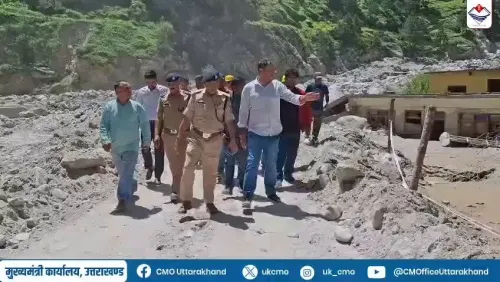
In the mountain villages of Chamoli, a quiet crisis has long plagued the fields — wild boar rooting through potato crops at night, monkeys stripping maize before harvest, and farmers waking to losses they can barely absorb. The Chief Minister's Office of Uttarakhand signalled on Sunday, 9 August 2026 that the state government is now moving to address this at the ground level.
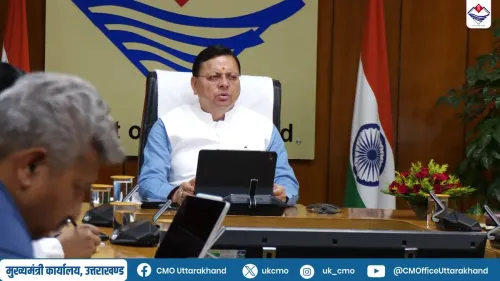
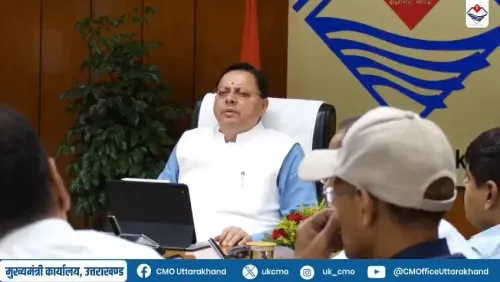
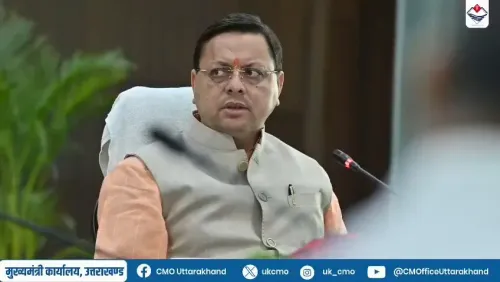
The official post stated that the Uttarakhand government is taking 'effective ground-level steps to protect the crops of farmers in hilly areas from wildlife' — a direct acknowledgement of a conflict that has quietly driven agricultural distress across the state's mountain districts for years.A Conflict Rooted in Shrinking Boundaries
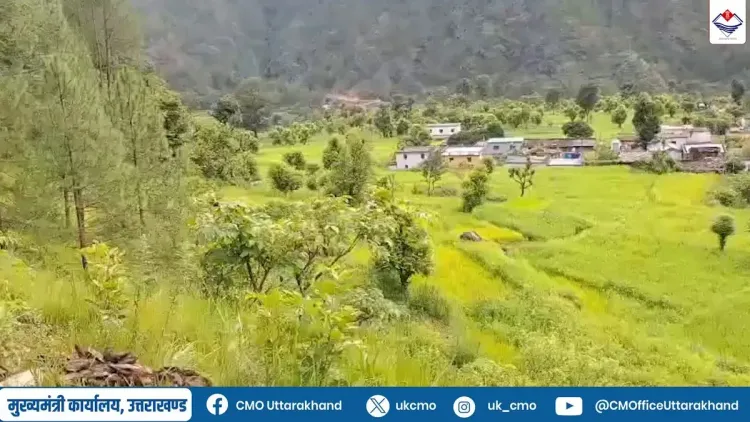
Uttarakhand's hilly terrain places farms and forests in constant proximity. In districts like Chamoli, where agriculture remains a primary livelihood, the overlap between cultivated land and wildlife habitat has made crop raids by species such as wild boar and monkeys a near-routine hardship. The problem is not new — successive governments have attempted district-level responses combining physical barriers, community awareness drives, and limited compensation payouts — but the damage has persisted season after season.
The human cost is real and cumulative. When a smallholder farmer loses even a portion of a single harvest, the financial impact can stretch across months. In terrain where mechanised farming is limited and alternative income sources are few, crop losses to wildlife push families deeper into economic vulnerability — and, in some cases, accelerate rural outmigration from the hills.
What 'Ground-Level Steps' Could Mean for Chamoli
The state government has not specified in this communication the exact measures being deployed. Past interventions in Uttarakhand have included solar-powered fencing, community patrol groups, and awareness campaigns on deterrence methods. Whether the current push involves fresh budgetary allocations, new agency coordination, or an expansion of existing schemes remains to be confirmed through official channels.
What the announcement does signal is a renewed political focus on a constituency — hill farmers — whose concerns have often been overshadowed by larger agricultural debates centred on the plains. A targeted, district-specific push in Chamoli suggests the state is attempting to move beyond blanket policy toward localised, terrain-sensitive implementation.
The real measure of success will come at harvest time: whether crop-loss incidents in Chamoli and neighbouring hill districts show a meaningful decline this season.
Point of View
Not merely a forest department concern. The political calculus is clear: hill farmers represent a constituency that feels economically squeezed and geographically overlooked, and visible ground-level action — even before outcomes are proven — carries electoral and governance weight. The challenge for the state is moving beyond announcements to measurable reduction in crop-loss incidents, which previous interventions have struggled to deliver consistently. How the government documents and communicates outcomes this harvest season will determine whether this signals a genuine policy shift or remains a statement of intent.
NationPress
23 Sept 2026
Frequently Asked Questions
Why are wild animals damaging crops in Uttarakhand's hill districts?
Uttarakhand's hilly terrain places farms and forests in close proximity, creating habitat overlap between agricultural land and wildlife. Species such as wild boar and monkeys frequently raid crops, causing significant losses for smallholder farmers in districts like Chamoli.
What steps has the Uttarakhand government taken against human-wildlife conflict?
Past interventions in Uttarakhand have included solar-powered fencing, community patrol groups, awareness campaigns, and limited crop-loss compensation mechanisms. The government announced on 9 August 2026 that fresh ground-level measures are being implemented, though specific details have not been disclosed.
Which district is highlighted in the Uttarakhand wildlife crop damage announcement?
Chamoli, a Garhwal district in Uttarakhand with predominantly hilly terrain, is specifically named in the Chief Minister's Office announcement of 9 August 2026.
Who are the main farmers affected by wildlife crop raids in Uttarakhand?
Smallholder hill farmers in Uttarakhand's mountain districts, particularly in areas like Chamoli, bear the brunt of wildlife crop damage. Agriculture is a primary livelihood in these regions, making crop losses especially damaging to household incomes.
Has the Uttarakhand government announced a budget for protecting crops from wildlife?
The official announcement on 9 August 2026 did not specify any budgetary allocation or name the agencies involved. Details on funding and implementation timelines are yet to be confirmed through official channels.