Chamoli Admin in War-Footing Mode to Clear Rain-Hit Roads
Synopsis
The Uttarakhand CMO announced on 22 July 2026 that the Chamoli district administration is working on a war footing to clear roads blocked by heavy monsoon rainfall and landslides, highlighting the Himalayan state's recurring seasonal connectivity crisis.
Key Takeaways
The Chief Minister's Office of Uttarakhand posted on 22 July 2026 that Chamoli district administration is on a war footing to restore road connectivity.
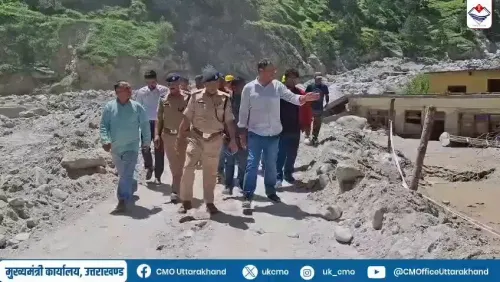
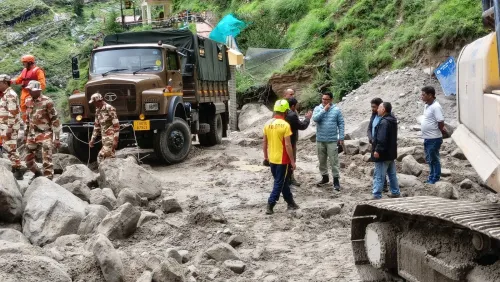
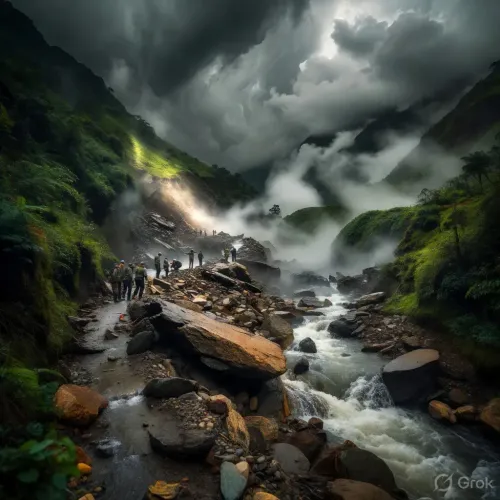
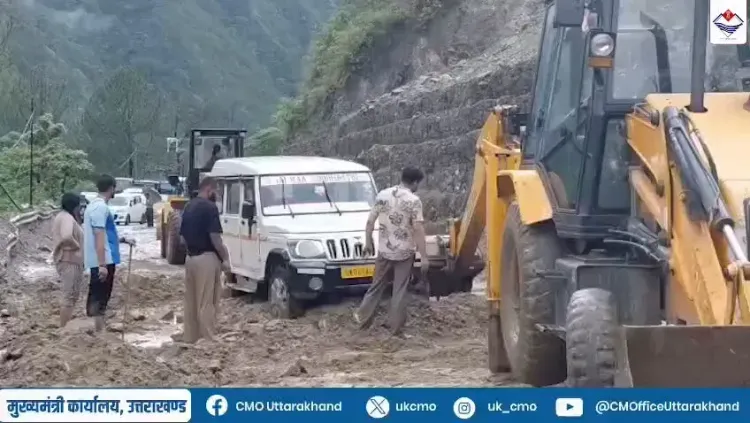
Roads in Chamoli have been blocked by heavy monsoon rainfall, with a video shared by the CMO showing ground-level operations.
Chamoli is among Uttarakhand's most landslide-prone districts due to its high-altitude Himalayan terrain.
The district is a key transit corridor for Char Dham pilgrims travelling to Badrinath , making swift road restoration critical.
Uttarakhand strengthened its emergency road-clearance protocols after the February 2021 Chamoli glacier burst .
Slope-stabilisation works and early-warning systems remain longer-term priorities for the state's disaster management framework.
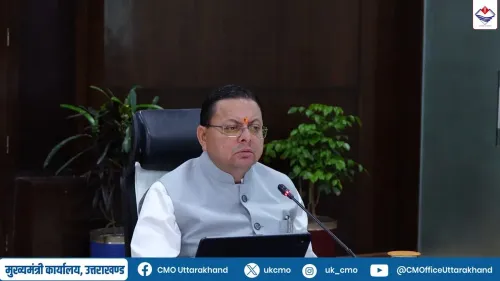
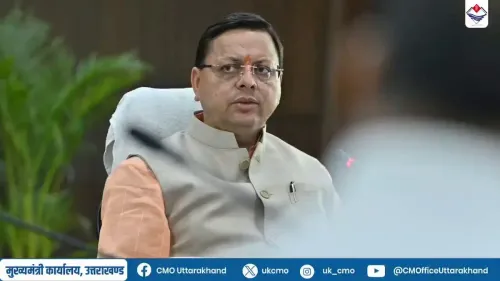
The Chief Minister's Office of Uttarakhand announced on Wednesday, 22 July 2026 that the Chamoli district administration is working on a war footing to reopen roads blocked by heavy rainfall and landslides in the Himalayan district.
Context
The CMO's post, shared in Hindi, states: 'Chamoli jila prashasan bhari barish se badhit sadon ko kholne ke liye yudhstar par juta hai' ('The Chamoli district administration is engaged on a war footing to open roads blocked by heavy rain'). The post was accompanied by a video, underscoring the on-ground urgency of the operation.
Chamoli is a high-altitude district in Uttarakhand situated deep in the Himalayas. Its steep terrain and river valleys make it acutely vulnerable to monsoon-triggered landslides that can sever road connectivity for hours or days at a stretch.
Policy Backdrop
Uttarakhand has historically treated rapid road restoration as a core component of its annual disaster management calendar. Following the devastating February 2021 Chamoli glacier burst, the state government strengthened protocols for emergency road-clearance operations during the monsoon season, deploying machinery and personnel in advance across high-risk districts.
Districts such as Chamoli, Rudraprayag and Uttarkashi feature regularly in monsoon-season advisories because their National Highways and link roads are the primary arteries for both local communities and pilgrims heading to the Char Dham shrines. Quick restoration of these corridors is not merely a logistical priority — it is a public-safety imperative.
Stakeholders and Impact
The most immediate impact falls on Chamoli residents cut off from essential supplies, medical facilities and markets when roads are blocked. Seasonal disruptions also affect Char Dham pilgrims and tourists travelling through the district toward shrines such as Badrinath, one of the holiest sites in the Hindu pilgrimage circuit.
Road blockages in the district can trigger cascading effects — stranded vehicles, delayed emergency services and disrupted supply chains for remote villages. The administration's 'war footing' language signals that multiple teams and heavy machinery have been mobilised simultaneously rather than in a sequential response.
What's Next
Authorities are expected to provide updates on the restoration timeline as clearance operations continue. Longer-term, the state government has flagged slope-stabilisation works and early-warning systems as priorities ahead of future monsoon seasons, alongside ongoing progress on the Char Dham All-Weather Road Project, which aims to reduce the vulnerability of pilgrimage corridors to weather-related disruptions.
With the monsoon still active, the Chamoli administration's ability to restore connectivity swiftly will be a key test of the state's upgraded disaster-response framework put in place after the 2021 Chamoli disaster.
Point of View
Recurrent monsoon disruptions remain a vulnerability that opposition voices and civil-society groups consistently highlight. How quickly the administration restores access will determine whether this communication translates into credible governance or remains performative reassurance.
NationPress
21 Oct 2026
Frequently Asked Questions
Why are roads blocked in Chamoli in July 2026?
Heavy monsoon rainfall has triggered landslides in Chamoli district , blocking roads across the Himalayan region. The Uttarakhand CMO confirmed on 22 July 2026 that the district administration is working on a war footing to clear the affected routes.
Which roads are affected by the Chamoli landslide?
The Uttarakhand CMO has not specified individual road names, but Chamoli's key arteries — including routes leading to Badrinath — are historically the most vulnerable to monsoon-triggered landslides. Specific road details are expected in follow-up official updates.
What is the Uttarakhand government doing about Chamoli road blockages?
The Chamoli district administration has been deployed on a war footing, meaning multiple teams and heavy machinery are working simultaneously to reopen blocked roads, as announced by the Chief Minister's Office of Uttarakhand .
How does Chamoli's terrain make it prone to landslides?
Chamoli is located deep in the Himalayas with steep slopes, river valleys and loose geological formations that become highly unstable during heavy monsoon rainfall, making it one of Uttarakhand's most landslide-prone districts.
Will Char Dham pilgrims be affected by the Chamoli road blockage?
Potentially yes. Chamoli district is a key transit corridor for pilgrims heading to Badrinath . Road blockages can delay or strand pilgrims, making swift clearance a priority for both the district administration and the state government.