Uttarakhand CMO flags concrete steps to cut disaster risk
Synopsis
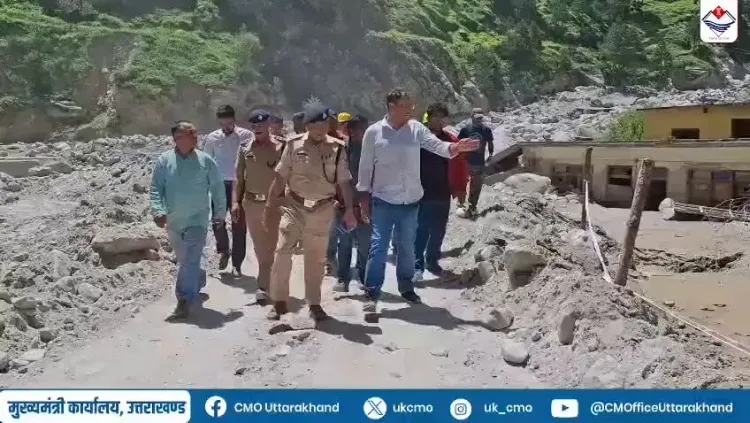
The Uttarakhand government has announced concrete measures to reduce disaster risk, spotlighting Chamoli — a Himalayan district scarred by the 2021 glacier burst and the 2013 Kedarnath floods — as the state intensifies its preparedness amid growing climate-driven hazards.
Key Takeaways
The Chief Minister's Office of Uttarakhand announced concrete steps to reduce disaster risk in the state, with Chamoli district specifically highlighted.
Chamoli was devastated by a glacial burst in February 2021 , killing over 200 people and destroying two hydropower projects.
The Uttarakhand State Disaster Management Authority (USDMA) has been expanding early-warning systems and slope-stabilisation works since the 2013 Kedarnath floods .
Accelerating glacial retreat is increasing the risk of glacial lake outburst floods ( GLOFs ) across the Himalayan region.
The state coordinates with the National Disaster Management Authority and central agencies for satellite-based monitoring of glacial lakes.
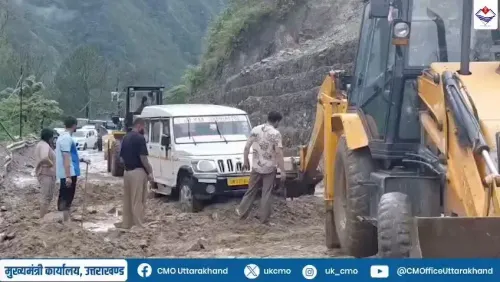
Chamoli has seen it all — glacial bursts, landslides, flash floods that rewrite entire valleys overnight. Now, the Government of Uttarakhand says it is taking concrete steps to reduce disaster risk across the state, with a specific focus on vulnerable Himalayan districts like Chamoli.
Chamoli's long shadow: why this district keeps making headlines
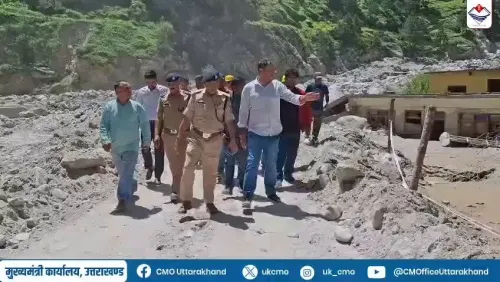
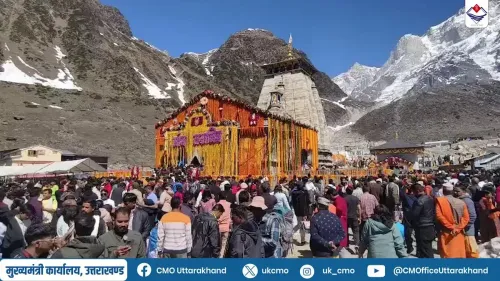
Chamoli sits at the intersection of seismic activity, glacial terrain, and monsoon intensity — a combination that has made it one of India's most disaster-exposed districts. The 2021 glacier burst in the Rishiganga and Dhauliganga river valleys killed over 200 people and swept away two hydropower projects. Before that, the 2013 Kedarnath floods — triggered by a cloudburst and glacial lake outburst — left thousands dead across the Garhwal Himalaya. Each event has forced a rethink of how the state manages risk in high-altitude terrain.
What Uttarakhand's disaster management framework looks like
Following the 2013 and 2021 disasters, the Uttarakhand State Disaster Management Authority (USDMA) expanded its mandate — investing in early-warning systems on glacial rivers, slope-stabilisation works, and community-level preparedness programmes in hill villages. The state also coordinates with the National Disaster Management Authority (NDMA) and central agencies for satellite-based monitoring of glacial lakes. These systems are designed to buy time: minutes of early warning can mean the difference between evacuation and catastrophe in narrow mountain valleys.
Climate pressure on the Himalayas is not easing
Uttarakhand's hazard profile is worsening. Accelerating glacial retreat driven by climate change is expanding the number and size of glacial lakes in the upper Himalayas, raising the probability of glacial lake outburst floods (GLOFs). Simultaneously, erratic monsoon patterns are intensifying cloudburst events at higher altitudes than historically recorded. For hill communities — whose homes, roads, and livelihoods hug steep slopes — the margin for error is shrinking every year. The state's periodic messaging on mitigation steps reflects both a genuine policy imperative and the political reality that disaster response is a core accountability test for any Uttarakhand government.
Frequently Asked Questions
Why is Chamoli so vulnerable to natural disasters?
Chamoli sits in the high Himalayas where glacial terrain, seismic activity, and intense monsoon rainfall converge. The district was devastated by a glacial burst in February 2021 and has seen repeated landslides and flash floods, making it one of India's most disaster-exposed districts.
What happened in the 2021 Chamoli glacier burst?
In February 2021, a glacial mass broke off in the Chamoli district, triggering a catastrophic flood in the Rishiganga and Dhauliganga river valleys. The disaster killed over 200 people and destroyed two hydropower projects under construction.
What is the Uttarakhand State Disaster Management Authority?
The Uttarakhand State Disaster Management Authority (USDMA) is the state body responsible for coordinating disaster preparedness, early warning, and mitigation. It was significantly strengthened after the 2013 Kedarnath floods and the 2021 Chamoli glacier burst.
What is a glacial lake outburst flood (GLOF)?
A GLOF occurs when a natural dam holding a glacial lake fails suddenly, releasing a massive surge of water and debris downstream. Climate change is accelerating glacial retreat in the Himalayas, expanding the number and size of glacial lakes and raising GLOF risk.
What early-warning systems does Uttarakhand have for floods?
Uttarakhand has deployed river-level sensors and satellite-based monitoring of glacial lakes in coordination with the National Disaster Management Authority. These systems are designed to provide advance warning to downstream communities before a flood or debris flow reaches populated areas.